It was Friedrich Nietzsche who said that what doesn’t kill us makes us stronger. Suffering allows us the opportunity to become stronger – something the Spartans would have egged one another on to become the tough and resilient fighters that they were. Ancient Chinese knew that much earlier, they knew to fight poison with poison (“yi du gong du” 以毒攻毒). Traditional Chinese medicines still prescribe venom of snakes, scorpions, centipedes, toads, spiders and even use toxic substances from some trees and herbs to cure certain illnesses.
The old man was sitting at his desk thinking about whether his 101-year-old mother would ever attend a birthday party of his again. A few nights earlier, her absence was conspicuous at the restaurant where he held his birthday party; even Emma, the restaurant manager, noticed it before she went to lock the door of the side entrance to the premises, a humble door reserved for staff to use as a short-cut to the dining area of the restaurant. Emma had purposely unlocked it to save his mother the extra walking distance to the grand main entrance. Fair-skinned and youthful, her long pig-tail and sparkling eyes matched by an ever-willing sweet smile made her very attractive to the male diners in the restaurant. No one could guess she was over 40 despite being told she was already a young mother. Considerate and always alert to their wishes, she is the epitome of hard work and courteous attention.
“Unfortunately, Ahma isn’t feeling well tonight,” the old man informed Emma when asked why the matriarch did not attend. Everyone was accustomed to her usual slow entrance, giving royal waves reminiscent of a Queen of England to the people in the room, nodding and smiling, inching towards their table at the graceful pace no faster than a swan on a lazy afternoon. The booking was for eleven people and as it turned out, the pre-ordered menu was too much for the nine attendees; a daughter had to stay home to look after their mother who felt woosy and weak that evening. The venue was non-negotiable whenever his mother was invited simply because it was her favourite restaurant which served her favourite dishes and there was a convenient reserved space for those with disability parking permits. Despite the beginnings of soft murmuring about the predictability of the same dishes from certain quarters, he continued to hold parties in the same restaurant. It must be said that it was a reflection of how good life was to this family in Adelaide and how ridiculously out-of-touch they were to reality.
“Crikey, who would complain about shark’s fin soup and lobster noodles?” he asked, faking a high-pitched voice to sound incredulous. He understood there would be some, usually the younger, supposedly more righteous ones who held higher ethical considerations and frowned on killing sharks just for their fins and those older ones, especially those with dental issues, who would wince at seeing lobster noodles, finding the meat of the crustacean too tough to chew. So, he had to encourage the restaurateur to improvise and experiment with new dishes every time he booked a table there. That night, they had crab meat soup instead of sharks fin soup and experimented with salted egg tofu and teochew Murray cod.
The old man was so chuffed with the crab meat soup he eagerly hoped to hold another party the following week, knowing his mother would enjoy it as much as he did. A bowl of the soup was $14, with a lot more crab meat and zero shark fins but it was a savings of $8. His son read his mind and offered to make it happen. His guest list for his dad was similar but included his Ahnia (paternal mother) and Seokuku (youngest aunt).
The old man with his 101-year-old mother and a good friend, Chip.
Enjoy the soup, she did. The old man’s mother despite flawed faculties and failing memory told him so the following day. She said they were very generous with the crab meat, unaware that he had given her most of his from his bowl. Her dementia had worsened at a rapid pace but there were still joyful things that briefly occupied her mind. But, her body’s battery was like that of an old iPhone’s; it may be fully charged one minute and suddenly go flat without much warning. Oftentimes, she would zone out of the present and mutter incoherently about her past. Names of people and places would come up but like a jumbled jigsaw, a casual observer would fail to connect the pieces. He let her ramble on until she tired herself and dozed off.
When her eyes peeped out of the thick layers of skin that covered them, the sun was already beginning to surrender to the moon. He heated up a damp face towel in the microwave oven for her to freshen herself. His face distorted with pain and alarm when he held her emaciated limbs up to wipe them clean as much as she would allow him to. For some unknown reasons, the elderly woman, meticulously clean and neat all her life, had begun to steadfastly protest at any attempts to bathe her. During the past few months, she had been known to even throw tantrums and throw objects at those who dared to take her to the bathroom. The stubborn old lady, unlike her husband during the last few years of his life, did not see that it was necessary for her to cooperate with her carers to make their jobs easier. She refused all pleas for her to wear nappies during bedtime and for outings. So, there have been quite a few “accidents” lately but they are better described as incidents, since such messy and smelly events were not unexpected. When it happened twice in one evening, the old man did not make a scene; he remained calm since it was already bad enough for her. It was easier to simply throw away her undies than to clean the mess. Everything else could be cleaned after, her pants, the floor, the toilet bowl, the sink even. To protect her modesty and maintain her dignity, he made sure his eyes did not cast on areas below her waist. Each episode would take an hour to clean, she would clean herself and he would clean everything else.
Yesterday, he enjoyed a very good day with his mother. It started badly when she refused to leave his car, so he had to watch her sleep for an hour from his porch. When she woke up, he started to talk about his happy times with her when he was little; he cited trips to the wet market with her, how she taught him to select fresh fish, squid and prawns and the special-because-they-were-rare treats of toktok mee at the market. That prepared her for a very pleasant day. Apart from the usual confusion about days and dates (showing her the Chinese calendar no longer helped), she was particularly confused about a memory of having Hokkien prawn mee but kept wondering why she would have it in the morning. She couldn’t get over that throughout the whole afternoon. Overall though, it was a very good day for her, without any sudden mood change, frustration or aggression.
As he watched his mother scoop out the contents of a half-boiled egg, something nutritious and easy for her to eat , he let the memories of his childhood flood his mind like a kaleidoscope filled with fragments of faces, places and activities. He saw how she chased him around the shop house with a feather duster when he was around twelve years old, and the stern way she scolded him and accused him of stealing ten dollars from the till. The kaleidoscope then changed to happy scenes of her walking him back from school and showing him how to avoid muddying his white shoes. Another pleasing scene was of them at the Chong Nam cinema after which they brought home a packet of sar hor fun wrapped in banana leaf and newspaper to share with the family of eight children.
The kaleidoscope then turned dark and sinister, suddenly dominated by colours of shitty brown and mustard green. It was how she tried to kill her own son that left him feeling sad for her and wondering about her state of desperation and hopelessness. When the old man was just in his third month enjoying a warm refuge in his mother’s womb, she started attacking him with a greenish, brownish substance. Over the next few days, she took three doses of that vile liquid, prescribed by a gynaecologist to kill the baby inside her. The pain was so severe it left her chundering all over the bathroom, a mess so much more than her nappy-less state today.
“What was the substance,” I asked the old man but he merely shook his head. He was ignorant of what it was but on the substance about the substance, he was clear.
“What does not kill me makes me stronger,” he said.
Dinner took her over an hour to finish. It wasn’t a big meal but it was a good meal. She loved the charsiew bun and red bean puff. She even asked for the chicken curry that she had declined at lunchtime, remembering she hadn’t had that dish for years. At her age, it didn’t matter to her if she had desserts before or after or even during a meal. By the time he dropped her off at a sister’s house, it was already 10 pm.
“Are you tired, Ahma?” he asked.
“Of course, I am tired,” she replied but she did not say he was stupid.
He gave her a hug after he had helped put on her slippers to get her ready for bed. She was sitting comfortably on a rosewood armchair while he was squatting by her feet. He genuflected, symbolically out of love and respect, having noticed she was smiling and her eyes were very much alive without the usual blank stares. He gave her a long kiss on her forehead and told her he loved her, not in words but with another long hug.
“I’ll see you tomorrow, Ahma, may you have a nice and happy dream tonight,” he said and left with a heavy heart.
His Mrs suggested they check out the movie The Substance on the weekend. A rarity, for the woman to suggest going to the movies. An aberration, to be honest. The old man stopped practising his violin, planted his bow on his lap and closed his tired eyes. He allowed his mind to drift to the time when they were young and attentive to each other and when their children were still toddlers. Although caring and sweet, or was it because she was caring and nurturing, she was already reaching her wits end, often using her frayed nerves as a reason to voice her unhappiness about life. Looking after her aged parents and bringing up a young ravenous family without any outside support was a heavy burden on her young shoulders. The kids were forever hungry and no amount of cooking would satiate their appetite. Her hands were turning podgy and scaly, and under her nails were stubborn remnants of soil that no amount of cleaning and scrubbing would remove. Once upon a time, her slender and pointy fingers lent her an image of youthfulness with unbounded sophistication and advertised her as a budding career woman whose coveted office was located in Martin Place, the banking and financial precinct in the heart of Sydney’s CBD. When they first met in uni of NSW, her ambition was more corporeal and less spiritual – enjoy good food, own a nice house, visit great places in the world and oh, have lots of kids.
They were fighting in the car, a metallic maroon-coloured Mitsubishi Magna Elite, a lemon, it turned out to be, with a low resale value that he flinched when he finally sold it a couple of years later.
“Why must we fight every time we go to the movies?” the young version of the old man asked his wife.
The rear view mirror showed him their three sons looking glum in the back seat; the eldest, sandwiched between his brothers, was idly kicking their legs. Left, right, left, right. They didn’t protest, so he continued until he got bored. He glanced at the digital LED clock in the car and whispered to his brothers.
“We are gonna be late,” he said, placing his index finger on his lips to warn them not to add to the tension in the air.
“Tick, tock, guess what has no hands yet tells the time?” the youngest asked proudly.
The young father found a place to park, just off Rundle Mall, and without fuss, gathered his sons to make a dash to the movie theatre in a city arcade. His Mrs, still disgruntled and not yet quite settled, persevered with her protest in being dragged to watch a movie that she had decided she wasn’t going to enjoy. You spoilt our dinner! The young husband reached for her hand, not out of loving attention but to hurry her along. She didn’t like to be rushed, so she freed herself from his grip.
“You guys go first. I’ll join you later,” she said, quite breathlessly by then.
” It makes no sense for us to wait for you there,” he retorted and added brusquely, “so, hurry up.”
The man was a fool, of course. That was not the way to get a woman to comply or cooperate.
“You know I, uh, hate going to the movies,” she said as she sucked in more air. Especially when they had to rush. He understood that. Her anxiety for her mother’s wretched emphysema and the deep hurt from sacrificing a glittering career in corporate finance, a long-held ambition, to have children instead meant she was incapable of being hurried to meet a deadline.
“I know you’d rather not go, but the kids want you to,” he said, unaware that she would interpret that to mean the kids wanted her to go, but not him.
They had already missed the opening scene where James Bond had fallen from the sky off a burning truck and landed on a yacht in the middle of a blue sea when they stepped into the dark cinema. The impressive Dolby surround-sound speaker system that blared out the noisy explosions did not impress his Mrs who had her fingers firmly pressed into her ears. Before James Bond made his move to kiss the lady in the yacht, his Mrs had already raised herself from her seat.
“Come find me when you’re finished, it stinks in here,” she said.
“Thankfully, such episodes were few when our kids were growing up,” he said to me. By that, he explained that it wasn’t because she had changed her stance about going to the movies. They just rarely did and when the kids had left home, he went to the movies by himself. He had already accepted it wasn’t something he and his Mrs would enjoy together; she mostly loved love stories by Ali McGraw, Meg Ryan and Renee Zellweger whereas he liked CIA-laden, action-packed movies. The last time they went to a movie together was forgettable, because she chose it and it was a long time ago, well before Covid. So, for her to suggest going to a movie this time, was well, quite unexpected.
Still, the old man acted like an idiot. He opened his eyes from his stupor and realised that his Mrs was still raving on about the movie’s positive reviews.
“She will win the Oscar, and she’s still so beautiful, you’ll see!” she promised.
“Oh, but there are no cheap tickets for seniors on Saturdays.”
“Ok, let’s do Sunday then,” she replied, without expecting an answer .
“Uh, you know we have to look after my mother on Sundays,” he bargained.
She muttered to herself and turned away, shaking her head either in disapproval or disappointment.
“We will go early next week, ok?” he said loudly to her and watched her disappear from view, presumably still muttering to herself.
Come Monday, he wised up and did not tell her the first working day of the week was the busiest day of the week for him. Besides, between the two of them, it was he who loved going to the movies and he wasn’t about to miss such an opportunity. He didn’t care what The Substance was about. She had already told him his favourite actress was in it. Demi Moore, more of her please!
On the way there, she was chirpy and bright, even telling him to change lanes to avoid a wayward cyclist. He focused on driving their Rav4 slowly as old men do and remained stolid as she rattled on her synopsis of the movie. He even surprised her with a smile. Born a gifted story-teller, she did not care that he disliked knowing the end of a story before the story had even begun. But on this occasion, no spoiler alert was necessary, since there was really no substance about The Substance. Simply, it was a story not from rags to riches but from fame and beauty to just beauty. Demi Moore, in all her naked glory, was just stunning. The movie’s plot, if one could call it that, cleverly depicted the fall from grace of a beautiful TV personality by showing her star on the Hollywood Walk of Fame being eventually trampled on and by the time it was faded, cracked and stained, she had lost her job, her youthful and stunning looks and shattered her faith in Hollywood and corporate American ageism and sexism.
The old man yawned as the movie began. He had assumed the story would be without much substance, revolving around an ageing woman’s quest for beauty, a desire so intense she would do anything to maintain her youth; a shallow person whose main occupation was her preoccupation with her own beauty, causing her to seek constant validation for her looks and obsess over every detail of her face and body shape. Unfailingly studying her reflections on shop windows and restaurant mirrors, she would typically forget where she was or what she was eating. Naturally, her main expenses would be on yoga lessons, skincare products, treatments, facials and plastic surgeries. While she may pretend to be confident outwardly, her private concerns about her beauty masked deep insecurities and her self-doubt, self-esteem and self-worth ebbed with her moods about her looks. But no, it wasn’t like that at all. There was no mention of the ten units of botox for Demi Moore’s glabella or twenty units of botox for her crow’s feet. Neither was there any proof of her cheek descent and neck skin laxity nor were there any signs of skin pulling around her tragal region.
The substance of The Substance was just the substance itself.
As they were leaving the cinema, the old man’s tummy growled loudly in protest. Feeling hungry, he looked over to the restaurant at the end of the hall.
“Can’t you see the lights are not on?” she asked.
“Let’s go home. I’ll cook you your favourite noodles,” she said with a smile, a smile that expressed warmth and welcome.
When two people living together are happy, one of them is making up for the other.
-Unknown
This season’s first rose. There’s substance in that!
Tan Ban Leong told me it was raining the whole morning in Penang yesterday. The angry skies across the island spat at the people and blackened their moods. The defeated sun, ably aided by the heavy grey clouds, darkened their day and made life difficult for those who needed to be outside, making a living or just living, homeless or aimless. A simple enough unsolicited news on the weather but it triggered me to write this blog. I’m bewildered that I used to blog every Saturday morning without a break for months and months, years, actually. Sitting down at my desk on a Saturday morning now feels foreign; the realisation that I abandoned the discipline I had inculcated in myself the importance of forming good habits over the last four years or so saddened me. For a long time, I was pleased with my own stoic discipline to push the boundary of my newfound hobby to write every week, sometimes feverishly. Why did I stop? Maybe, the low readership of my blogs had finally got to me. I felt my copious writings were as useful as an ashtray on a motorbike. It was a massive undertaking which mostly bore ephemeral dopamine effects. It was easy to rid myself of my hedonistic tendencies. I convinced myself the idea to write was to have a useful hobby and maybe to improve the way I communicate and express myself – it was nothing about happiness.
Ban Leong went on to say that last night was the first night in days that it did not rain. That was what triggered me. It is hard to imagine that my mood turned as stormy and tumultuous as the weather in Penang. Dark, brooding and sullen I became. Dour, in a word. Dour about the tour, in fact. I was supposed to be in Penang last night, you see. My plan was to attend the final two rehearsals with the Penang Symphony Orchestra before we embarked on our China Tour. Since I got back from my holidays in early August with a dog-eared vanilla folder of music sheets, I have been practising like a professional violinist, putting in two to three hours of serious work daily. So, I channelled the majority of my “me time” to my violin practice instead. Am I ready to perform? You bet! Well…. I am always lenient on myself, which is why mediocrity is self-inflicted.
Mediocrity is self-inflicted, genius is self-bestowed.
Walter Russell
The Mrs walked towards me the other night as I was playing Grieg’s Wedding Day, Op. 65 no. 6 and kindly suggested I should use a lot more bow and although never trained in music herself, she proceeded to inform me to press my bow on the strings more firmly. I simply nodded, she is right, of course but it is a lot more than that.
To get a nice, strong tone from my violin, I focus on several key aspects of technique which I learned some 55 years ago and which ChatGPT confirms.
Bow Pressure: Apply consistent, firm pressure on the strings without pressing too hard. Too much pressure will cause a scratchy sound, while too little will produce a weak tone. The balance between weight and speed is crucial.
Bow Speed: Maintain a smooth and controlled bow speed. Faster bow strokes can increase volume, while slower strokes provide more resonance. Experiment with varying speeds to find what works best for different dynamics.
Contact Point: The point where the bow meets the strings (closer to the bridge or the fingerboard) affects the sound. For a stronger tone, play closer to the bridge, but not too close as it may result in a harsh sound.
Bow Angle and Straightness: Ensure the bow moves straight across the strings, parallel to the bridge. Any diagonal movement can lead to inconsistent sound quality. Also, keep the hair flat on the strings for an even tone.
Left Hand Technique: Good finger pressure on the fingerboard is essential. Ensure my fingers press the strings firmly to produce a clear tone, but avoid excessive tension that can inhibit flexibility and vibrato.
Relaxation: Tension in my shoulders, hands, or arms can hinder sound quality. Keep my body relaxed and use the natural weight of your arm to apply pressure on the bow.
Rosin Application: Make sure my bow is properly rosined. Too little rosin can make the sound weak, while too much can cause excessive friction and a gritty tone.
Practise Long Tones: Slow, long bow strokes on open strings or simple scales help develop control over tone production.
I nodded and thanked her for her input. Wow, she actually listens to my practice, I thought and felt enthused. I should have left it at that but after I had finished playing the piece, I went to her with the music and showed her the many bars that were marked “p” and “pp”.
“Do you know what “p” means?” I asked, and then stupidly answered my own question with an annoying tone.
“‘P’ means piano, soft, and ‘pp’ is pianissimo, very soft,” I needlessly said and began hating my own voice.
That, of course, has been the story of my life. I have always been tactless, careless and thoughtless. Spinning these faults as honest, direct and open, it is no wonder that my friends anointed me ‘The Annoying One’. The Mrs was being supportive and helpful, never mind that she has never touched a violin, but she does understand and feel music, having been an avid classical music listener since we met. I am sorry she married someone with the EQ the size of his shoe. In old Aussie parlance, I would be called Casablanca, a wanker. The old cobbers would have also described me as slow as the Second Coming. At almost sixty six now, I have to admit I am like a piece of rotten wood that cannot be carved. Despite the almost half a century of living together, she is unable to sculpt me into the knight in shining armour who sweeps her off her feet in her dream. Side by side, we are incompatible like water and fire, yet our lives are balanced enough that there is little likelihood of us drowning our spirits or burning our bridges.
Chip Beng chipped in quickly. He is an Adelaide resident but we go all the way back to 1958 in Penang. Being like fire and water is complicated but can be complimentary – when the water is too cold, the fire can heat it up……and if the fire is too fierce, water can douse it and regulate its ferocity.
So, last night, I was in a pissy and hissy mood in my study. In protest, I had decided not to touch my violin. Instead, I sat there peeling off dead skin from my feet; they were as dry as a dead dingo’s donger. Clearly, the almost-robotic routine of applying Nivea cream every day has proven to be futile. Einstein was right. Why do we persist in doing something that doesn’t work again and again and expect a different result? I was supposed to be in Penang last night, sitting as a tutti player in the First Violins of the orchestra, showing off my beautiful Paolo Vettori violin which I commissioned some years ago and brandishing my French-sounding Belgian bow, a ‘sakura’ by Pierre Guillaume that my youngest son gave me as a surprise present inside a shiny white Accord violin shaped case, also a surprise present. A surprise within a surprise, unforgettable and oh, so cherished.
My Paolo Vettori violin, then a work-in-progress, with the Guarneri ‘del Gesù’, Cremona, 1744, the ‘Ole Bull’ template
But, I didn’t even have to cancel my air tickets to Penang because they were not bought in the first place. I half-suspected the tour was not happening when the conductor, Mr Woon, kept saying they were having issues with the venue in Xiamen. But, in my heart I knew that if Xiamen was the only issue, he would have still proceeded with the tour if he had Guangzhou and Shenzhen firmly in the bag already. To save him from embarrassment, I kept quiet even though I was bursting to ask him the obvious.
If those other two venues were ‘set like jelly’, then why cancel the whole tour?
I suppose it is forgivable that I feel dour about the tour. I had to forego the concert on 18 September with my local orchestra, the Burnside Symph in order to prepare for the China gig. It was to be my first international tour with an orchestra, so hyped up I had made it sound. Mr Woon said it is not cancelled, merely delayed till November. I took the news like a Pompeiian, frozen in time, caked in layers of utter disappointment and shock. But, do I continue to sacrifice my “me time” and the next BSO concert, Beethoven’s towering 9th Symphony in November for this very much vaunted international event that I never imagined was possible in my life? Maybe, this is just another piped dream of mine. Dour about the tour, that I am. Remind me not to be fervid about anything, please.
My world here is a huge contrast to the one I just left. Gone are the blue skies and the blue sea from my hotel window in Tanjong Bungah. I had promised myself to leave my footprints on the golden sand just a few steps from the hotel lobby but it was a promise I did not keep. The beach, ok, ok, maybe it’s not so golden, will always be there, I told myself as I dashed into the grab car at the unearthly hour of six o’clock on my last morning in Penang to catch the flight to Hanoi. I should have cancelled the remainder of my holiday and rushed back home but the thought of going back to grey skies and dead leaves on slippery ground in July didn’t appeal; neither did the idea of swapping my sandals and shorts for thick blankets and long dark nights. Ten o’clock in Penang is still early in the night when suppertime means choosing from uncountable choices such as oyster omelette aw chian, skinny satay sticks of goat, beef and chicken – why no pork? I asked the Malay guy, barbeque chicken wings basted in golden juices, and to finish with Penang char koay teow and Hokkien mee or going for a seafood spread of balitong, mud crabs, clams and grilled fish instead. Contrast that to a typical scene in Adelaide where ten o’clock means dozing off in front of the TV under a thick blanket. Rush home to Adelaide? I would have to be insane to do that.
The disciplinarian in me demanded that I cut short my holiday and go home. I had been handed a thick folder of music to learn by my former violin teacher, Dato’ Woon Wen Kin and I felt I should immediately drop everything and start learning the music quickly. The evergreen Dato’ Woon had carved his name in Malaysian history with his amazing contribution to classical music over the past five decades. When he returned from the UK with his degree in violin performance in the late 60s, the country was absent of a philharmonic orchestra apart from the RTM Orchestra in Kuala Lumpur. My eldest sister also returned from the UK around the same time but as a pianist and a budding cellist. Her cello captured my imagination. Even as a young boy, I was attracted to the idea of hugging a curvaceous body which her cello was that and more, with its mellow silky voice, a slender and long neck and a carved German scroll. Yes, not Italian and therefore not so fine. But, she talked me out of learning the cello. There wasn’t a half-size cello in Penang then and more critically, there was no cello teacher to teach me. So, I began my violin lessons with Mr Woon instead. I have called him Mr Woon since I was nine years old, so please forgive me if you think I am rude not to call him by his lofty title. I would have attained AMEB Grade 5 by the time he formed the Penang Symphony Orchestra (PSO). As a young teenager, I judged my teacher harshly and wrongly for venturing into teaching other instruments in the early 70s. How could a violin teacher teach brass and wind instruments, right? He also taught viola and cello but apart from learning to read music in different clefs, the concept of playing the other stringed instruments would not differ much, or so I thought. It seemed to me then that he compromised on his professional integrity. Today, I fully understand why he did that. He had no choice but to do that! It was the only way to create enough players to form an orchestra in Penang in the early 70s. So, bravo to Mr Woon! He deserves all the accolades he has received over his long career and more. Today, the 86-year-old maestro is still making great music and recently conducted an orchestra in Taiwan.
I was in Penang for a school reunion and finally honoured a long ago promise I made to my kids’ cello teacher, Mr Janis Laurs, to show him why Penang is famous as the world’s street food paradise. The cost of doing that was a five kg addition to my waistline in the six-day spree. Cellists are a different breed from violinists. They are collegial whereas violinists tend to keep to themselves like sopranos do. So, Mr Laurs did not disappoint and asked me to arrange a meet-up with cellists in Penang. Who could I turn to but of course, to my former violin teacher whom I had not met since I left my hometown in ’77. Mr Woon said to meet us in our hotel lobby. So, I got down there early, too early and waited and waited and waited. I could not forgive myself if I turned up late and found out that the great man was looking for me. I did not expect Mr Woon would have so many doppelgängers though. Remember, I had not seen him for exactly FIFTY years! Besides, I wasn’t sure he would recognise me, now a 65-year-old cranky old fart, as some of my friends would call me . Before he arrived, I had already approached two frail old men at the hotel lobby. One of them wore a white mask that hid most of his wan and grey face but I was sure he had the same big expressive eyes of Mr Woon’s.
“Er, Mr Woon?” I asked the elderly man.
He shook his head once and shuffled away, looking lost and obviously was waiting for someone or something. Hunched and with just a few white strands on his head, he wore a crumply old polo shirt that hung untidily over his un-ironed beige cargo pants. His thin frame and unsteady gait wandering aimlessly in the lobby persuaded me to ask him one more time. I walked towards him with obvious intent to prove he was Mr Woon.
“Hi there, Mr Woon!” I asked him, this time purposely loudly and joyfully.
“No!” he growled from behind his white mask and glared at me with his big expressive eyes.
Alright, he is definitely not Mr Woon, I told myself. The only time Mr Woon growled at me was when I did not practise enough for a lesson, but his growl was higher in pitch than this man’s.
Soon after, I broke into a happy smile when I saw Nen Kin got out of a car. She is my eldest sister’s best friend, Mr Woon’s sister. And then, I saw Mr Woon. Still elegant, still professorial in a loose khaki jacket, he walked towards me with wide open arms and a beaming smile. The maestro looked great with a prosperous nose that took attention away from his receding hairline.
“Mr Woon!” I called out gleefully and gave him a big hug before introducing Mr Laurs to the siblings. The evening was filled with a continuous flow of wine and beers and amidst the laughter and joy, the convivial conversations never deviated from music and precious memories of bygone years of old Penang and its orchestral heritage. It was this same gleeful joy that I experienced in my few years at the PSO as a young teenager that made me suggest to my new bride whom I married in ’81 that should we be blessed with children, that they be given the same opportunity to play in their school orchestras.
The irrepressible and incomparable Mr Laurs even gave the two cellists an impromptu lesson in the hotel bar at Mercure Hotel, Tanjong Bungah.
Guess what, as a founding player of the PSO, I have benefits that I was unaware of. Mr Woon invited me to join his orchestra to tour China this September! The PSO will be performing in three cities apparently – Guangzhou, Shenzhen and Xiamen.
“What?” I asked, not feigning panic in the way I questioned him.
“That’s in just SIX weeks’ time!” I exclaimed, with delight in my voice but also with inner trepidation of the challenge to be ready to perform in such a short time. After all, I did not pick up my violin for 49 years and it was only when I turned 64 that I held a violin again. So, it was not so long ago that I played like a church mouse in my local orchestra in Burnside.
The programme, although less challenging than playing a big symphonic work or a concerto, is still demanding nevertheless. I will have to apply myself a few hours every day to learn the music for First Violins quickly and then get up to speed. The pieces include Offenbach’s Orpheus in the Underworld Overture, Tchaikovsky’s Nutcracker Pas De Deux, Chopin Polonaise No.1, Grieg Hochzeitstag Auf Troldhaugen No. 6, de Abreu’s Tico Tico, Tchaikovsky Swan Lake No.1 Scene, and a suite of traditional Malay dance music.
Last season, I proved to myself that with steadfast dedication and proper application, I can be a useful player in the second violin section. After all, my repertoire now include Wagner’s Lonhengrin Act III, Beethoven’s Piano Concert No. 5 and his Eroica Symphony No. 3, Rossini William Tell Overture, Dvorak Cello Concerto, Prokofiev Symphony No. 5 (fiendishly difficult but I managed to play all the notes), Liszt Piano Concerto No. 2 and Sibelius’s gorgeous Symphony No. 2.
So, should I have cancelled the rest of my holiday? Hanoi beckoned and after that, nine days in Singapore with my twin sons. A rare family reunion not to be missed. So, guided by Lao Tzu’s wise words, I decided to take the detour to the tour and not rush home to practise. I hope I made the right decision! China, here I come, ready or not, with my violin!
If you do not change direction, you may end up where you are heading
Lao Tzu
Five Days in Hanoi.
Our first night at the Hanoi Old Quarter was a memorable one – the Foodie Tour gave us a great sample of the best local foods in Hanoi including Banh Cuon, Bun Ca at Hang Gai and pho bo (be sure to pronounce it carefully, ‘fur’ not ‘for’, the latter meaning whore) but before that, we worked out a huge appetite with the Old Quarter Walking Tour soaking in the vibes and sights of 13th century architecture such as St Joseph’s Cathedral and Hang Trong Temple. We ended our first night with an hour’s ride on a rickshaw to our hotel, the luxurious Apricot Hotel by Hoan Kiem lake.
Day Two.
If you are not sure of winning, don’t fight
Ho Chi Minh
First stop was at the Ho Chi Minh Mausoleum where we learned so much about the history of Vietnam especially under French rule for 95 years and after that, the war between the US Empire and the Viet Congs. President Ho Chi Minh’s famous words lingered long in my memory. We visited his lovely timber house on stilts, a Tay tribe architecture. Later, we asked Tai, our tour guide to add a brief tour to a lacquer factory, so impressed were we with the lavish lacquer work in the house. Tai accommodated our extra request with a pleasant smile. He was great! We finished the morning visiting the One Pillar Pagoda.
Food Glorious Food! We were treated to a sumptuous lunch at Chaha Thang Long in Cua Dong, a Michelin Star lunch of fried fish wrapped in vermicelli and herbs. It was a massive lunch which we partook and had to walk off the extra calories at the Temple of Literature. For afternoon tea, we stopped by at Dien Bien / Hang Bong and waited for the local train to pass us by! I did not expect the train to be travelling so close to my face! After that, we went to find real coffee, in fact real coffee with three egg yolks at Cafe Dinh in Hang Bac. Dinner was another Michelin Star experience at Hang Bac, Quán Thánh. Unfortunately, we forgot to note down the name of the fabulous restaurant where from our table, we admired the stunning views of Hoan Kiem lake.
Waiting for a train in Hanoi
Day Three. The typhoon arrived on the day we were scheduled to cruise Ha Long Bay! We spent a day, somewhat crestfallen at first but eventually, we warmed to the charms of the two hour journey through the lush countryside to the south of the Red River delta to Ninh Binh province. The sampan ride was tranquil and serene, no less beautiful than Ha Long Bay, and we could even boast to have visited an ancient temple at Truong Yen and a bird sanctuary at Thung Nham Bird Park. At the bird park, a group of local tourists ignored the many signs that dotted the river system to be quiet and cackled away like happy kookaburras despite our best efforts to hush them up. It was clear we were more annoyed than the birds. A fabulous lunch at Nha Hang Truong An Restaurant managed to smooth our ruffled feathers. Dinner was average at Toan An, a local restaurant in Ninh Binh. Tai misunderstood us when we requested a good “local” dinner. He thought we wanted a dinner that local people normally have, but the beef was tough, the chicken tasteless, and the only dish we finished was the stir fried veggies. The local hotel was resort-like, a good replacement for the overnight cruise that we missed out at Lan Ha Bay.
Day Four. Food Glorious Food (again)! We returned to the Old Quarter for our last day in Hanoi. After checking into the Apricot Hotel again, we were feeling famished. Tai recommended The East Restaurant – taste of Indochine, and I must say, Tai knows the best restaurants in Hanoi! He surprised us with a wonderful, complimentary Michelin star dinner for his misunderstanding the previous night. The Viet Rice Essence has to rank as one of the best restaurants that we have ever enjoyed, a culinary experience to brag about, actually.
Who said Vietnamese prawns are not tasty?
Day Five. Sadly, we had to bid Hanoi goodbye. But, we promised ourselves we would be back as we looked out of the window of our VietJet plane.
Clowns in Singapore.
The detour to the China Tour continued for another nine days in Singapore. There, I made a fool of myself when I was alarmed at a big blob of dried bird poo on the roof of my son’s Mini. I proceeded to check if I could scrape it off with ease.
“Ba, that’s not my car,” my son said with some embarrassment as he looked at the car’s owner who had rushed towards us.
But, I was not the only one to be clownish. It happened to The Mrs also. Struggling with the Singapore humidity and heat, she got inside the car with both her hands clutching at the bags of fruits and veggies only to discover that the man sitting in the driver’s seat was not our son. She too had assumed the Mini was his. I think I should advise our son to get a less common car the next time we visit him.
The Mrs’ sister didn’t fare too well either. I suggested to my son that he wasn’t fair to his beautiful Ranchu goldfish.
“It’s cruel to put him in solitary confinement,” I said.
“But, there’s the little neon tetra to keep him company,” he countered. I kept silent, knowing I had said too much already.
The following day, he took us to the aquarium shop nearby. I knew I had pricked his mind enough to find a friend for his Ranchu. Life is too short to live alone, right? So, with some excitement, we went shopping for another goldfish, maybe another Ranchu or Oranda or Ryukin, I thought. I tagged along, marvelling at the cheap prices of such exotic fish and water plants. I had my heart set on a beautiful Oranda with a perfect shape and a big redcap on a snow white body. Let him choose his own fish, I thought to myself. Whichever he chooses will be nice, anyway. He had his twin brother with him. The two of them always choose the best of everything or so I believed. Anyway, when we arrived home, he said he had let his aunt decide for him instead. What we released into his aquarium that day were two silver-white koi fish. We all knew that koi thrive only in big ponds yet for some unfathomable reason, she had decided that morning that koi fish was goldfish. Three clowns all in one house, sorry, guys. Luckily, we did not stay long in Singapore.
She was muttering to herself when he arrived. Alone at the dining table, picking at a piece of toast, long turned cold, she was estimating, no, almost, measuring six small squares of bite-size proportions to cut her remaining breakfast into. Meticulously, precisely and carefully, she sawed at the cold but still crispy bread with a butter knife. Made of pure silver, the knife was a find that thrilled her, a bargain buy from the local odd shop not long after she settled in Adelaide in 1988. It came all the way from England, its journey quite typical for the early settlers who arrived in South Australia as graziers, farmers and colonial masters of the land they named after their Queen. So, Tandanya was renamed Adelaide.
The old man called out to his mother, “Ma, how are you today?”
He had deliberately switched his demeanour to chirpy and upbeat just before he opened the front door and entered his sister’s home. The sister, the official carer of their mother, was nowhere to be seen, either she was scrubbing clothes in the laundry room or tip-toeing precariously up on a ladder, over-extending herself to reach a wayward branch with her secateurs. Their very old mother looked up with a faint smile and returned her gaze to the bread. She had one more cut to make to complete a square that would become a manageable size for her to bite. But, the crumbs on her plate annoyed her considerably such that she succumbed to the compulsion to sweep them to one side of the plate with her fork.
Finally, she was chewing at her reward. The remaining five more squares would take her a good half hour and then there was the cup of coffee that she would ask to be warmed up every so often for her. When he entered the house, he knew he was entering the Goldilocks zone. Everything must be just right, not too hot and not too cold, not too hard and not too soft, except for the coffee which must be overly sweetened. Three teaspoonfuls of sugar won’t do, add condensed milk to sweeten it some more. She had stopped drinking in recent months, no, not just wine, brandy and her favourite Tia Maria. Drinking would cause her to choke and convulse, so she could only sip and carefully swallow the tiny bit of liquid down her throat. Swallowing was no longer a reflex action for her, it needed careful focus and mental control to push the coffee down with her weakened pharyngeal muscles.
But, it was already one pm and his youngest sister and her hubby were sure to be arriving at his house soon. For many years, they had unfailingly carried out their filial duty of looking after their mother. Since he and his sister still worked, they could only dedicate their weekends to their centenarian mother. Saturdays were the sister’s shift. He and his Mrs would spend the afternoon with their mother at his sister’s place for lunch and reciprocate the following day; Sundays being his turn to look after their matriarch. It was already one pm, so he had to persuade his mother to abandon her coffee and forget about her cold toast. As he sat next to her, watching the dry and wrinkled skin of her throat wobble and bobble in synchronised motion with her pharyngeal muscles, he reminded himself not to rush her. The old and the frail cannot be hurried. You risk breaking a limb or breaking their tranquillity. The contradiction struck him personally, having observed that the old, although quickly running out of time, cannot be rushed to make up for lost time.
“Ok, ma, let’s go. Slowly and carefully,” he said to his mother who was rearranging the crumbs on her plate.
“I can only be slow,” she replied.
Sundays were his shift for the week but in reality, it was left to his Mrs to do all the planning, preparation and cooking. She would start days before, checking Youtube food channels for a suitable menu for her Goldilocks mother-in-law. The leafy part of veggies can’t be chewed, the stems, her favourites, must be soft, but not too soft. The rice porridge must not be too watery yet not too thick. Pork mince was best made into balls, not loose and grainy in the porridge. His task was easy, all he had to do was put on a jovial face, change to an upbeat demeanour much like putting a fresh shirt on and coax her into his car. Other siblings weren’t so lucky or perhaps they weren’t as perceptible to read her mood swings. She would not be hurried and the biggest mistake one could make was to interrupt her midway through an action or a story. A sin would be met with an immediate sour change in her mood or worse, with fury. She was placid, malleable, even pleasant one could say in her prime, but dementia had reduced her into a confused, delusional and depressed woman, susceptible to the occasional slamming of her hands on the table to show her frustration at the world. It was becoming more frequent for her to refuse to cooperate and not leave the house. Reasons were varied, a sudden mood change, a sudden thought about the Japanese, or simply just frail and feeling exhausted. Sometimes, she wished loudly that she would not wake up the next morning.
You’d be silly to reason with her dementia. So what if you’ve cooked a sumptuous meal for her? So what if you’ve booked a table at her favourite restaurant? So what if the rest were already seated at the table? Anything could trigger her and rouse her defiance. It could be a word or a thought that popped into her mind. But, more often than not, they were the usual culprits. Some of the bad episodes in her life, imagined or otherwise, all coalesced into one character, usually an unknown Japanese. The Japanese man visited their house, she said, he simply barged into the toilet one night without knocking to check when she was inside doing a pee. The Japanese man stole the rice noodles she cooked – he placed the ni kor ki she had cooked for everyone in a basket and cycled away. He did not even return the basket! The Japanese man was a son-in-law but sometimes he was also a grandson or a visitor. She was 17 when she married their father and one night at age 19, she sat frozen with her back turned to the Japanese Kempeitai, hiding her marmoreal face which was carved with fear and panic as the vicious soldiers from the Land of the Rising Sun stormed into the house and dragged her husband away from their bedroom. It was reasonable to expect a young woman still in her teens to carry a lifelong psychological scar from that horrible experience but she showed no hatred and did not outwardly despise the Japanese until her dementia in recent months exposed her fear and hatred towards them.
His mother was fine in the car. Quite chirpy in fact. The journey from the dining table to the car took twenty minutes longer than expected as she needed to segue to the toilet. On the garden path, she pointed to a bush of daisies and declared for the umpteenth time her grandma used to cook them for her in a soup when she was about seven years old but it was only after she said her husband loved those veggies in a steamboat that he realised she had mistaken them for Tung Ho. The journey to his house was only a short twelve minute ride. The same old stories were recounted as they passed certain landmarks that afternoon.
“This house belongs to Lim Chong Eu,” she said as they passed a nondescript house. The late Mr Lim was Penang’s longest serving Chief Minister. He signed the pact in 1973 with Don Dunstan to make Penang a sister city of Adelaide’s. Perhaps he was here, perhaps he did buy a house but surely not in Trinity Gardens. Fifty years ago, it was a blue-collar suburb, not blue ribbon.
As they passed Philps Reserve, she pointed to the small park and said it was there that she turned back home after having walked all that distance after a row with the daughter who was now her carer. Perhaps they had a row, perhaps she managed to walk away from their house but surely she could not have walked that far. She no longer had the physical strength let alone the mental awareness of the direction to get there.
Further up Glynburn Road, the small post office soon came into view and as surely as night followed day, she started her story about her grand-daughter whose name she no longer could recall. How Yuh, when she was still in Primary School had to stop at the post office for a breather having lugged a heavy sack of books on her back on her way home from school. The old lady still had the logic to criticise the silliness of the school system to insist on students carrying all their books to school, irrespective of whether the subjects were being taught that day.
“Wa eh keen bo teok,” the little girl said to her granny in Hokkien, explaining why she was having a bad day, that “her veins were not right.”
Glynburn Road was a quiet street, almost quaint. The old mechanic’s workshop had closed decades earlier and what stood in its place was a splendid cafe adjoining the old hotel in the Adelaide foothills. The Feathers Hotel was a dingy little pub in the late 80s and 90s but it now boasts a sparkling pavilion with outdoor seating in a beautiful garden setting of Mediterranean vibes but annoying Asian fusion menu. The old man had taken his mother there once or twice but she didn’t like the food. It wasn’t eastern and it wasn’t western.
The old man’s car struggled up Greenhill Road and left a trail of petrol fumes and dark smoke from the dirty exhaust pipe. As he turned into the side street, a secret reserve appeared, presenting the arrivals with a wilderness not expected so close to the city, a Shangri-La of green surrounds filled with soft golden rays of sunshine and freshly scented air of gum leaves and sweet pheromones of recently mowed grass.
What will mother be like when she arrives, he asked himself.
The answer did not take long to reveal itself. She saw her son-in-law get out of his Tesla and immediately knotted her fading eyebrows and grunted under her breath.
“Take me home. I don’t wish to see the Japanese,” she hissed in a quivering voice.
A typical Sunday lunch party for MaA pre-dinner pampering, a foot bath and a bowl of steaming hot chicken essence.
Kindness is always the right response, but only when it is sincere, without hypocrisy.
Marcus Aurelius, Meditations, 11.18.5.9a
The old man was stunned that morning. It was just a typical late autumn day. The sky was blue and the trees bare except for a few stubborn leaves that withstood the madness of the gully winds leaving traces of brown and red on the suburb’s canvas. He made an off-the-cuff comment about a posting by a friend, who texted a good morning message that said we only live once, but if we did it right, once is enough.
“I wonder if you’ll say that about sex too. Just do it. Do it right and once is enough,” the old man replied cheekily or so he thought.
“I believe that anyone who twists nice good morning wishes will burn in hell,” the friend, a chap whose mood was as temperamental as Melbourne weather, said before adding “No Hall of Infamy for you though.”
“Yawn. My name doesn’t even appear in our school Hall of Heritage for school leavers, so…” the old man replied and yawned again outwardly, although inwardly, he was shocked by the sharpness of his friend’s acidity.
“So humble,” said the notoriously temperamental chap.
“Thank you, I do try to be. Better be humble than be humbled,” the old man replied cautiously, having discovered that something said tongue in cheek had earned him purgatory.
The notoriously temperamental chap had been giving another bloke, a self-confessed simpleton, a hard time every day for the past few months. You’re a fake, you’re this and that and always in a negative way, and that morning, he called him an arsehole.
“I don’t know how you’re taking this,” the old man said to the self-confessed simpleton. “If you’re fine with it and taking it as silly banter between old men, then carry on. But, if you feel it is veering on online bullying, then maybe it’s time to stop. After all, we don’t want bad habits to form,” he said.
“True.. I know it too.. But as we age..it doesn’t matter…we should learn to laugh at ourselves too…But if it makes someone happy..Let it be.. At our age, we should be more mature to not think too much of it…Just let them be if it makes them happy…I have friends who are offended at little things..That’s why I hope I don’t want to be like them …Anyway….Thanks, bro, for your concern. I appreciate it,” the self-confessed simpleton said.
“Well, this is very generous of you then. Harmless bantering amongst friends is great, good to know you can laugh at yourself. That’s wisdom. Kindness is always the right response, so said Marcus Aurelius,” the old man replied.
” Marcus who? I’ve a feeling Marcus never said all that shit….” the simpleton replied.
“I wasn’t born yesterday,” the notoriously temperamental chap commented, dismissing whatever the old man had just said. Something must have triggered him to become toxic and combative that moment. Old men are known to be grumpy and short-tempered but this level of disdain for fellow friends in a public forum felt inappropriate to the old man.
“Well, Lao Tzu said we ought to die daily and only then do we endure. I guess he meant that is the way we are reborn and learn to live the Way,” the old man explained.
“Lao Tzu said that? Are you sure you’re not just assuming?” the notoriously temperamental chap sneered.
“Lao Tzu also said he who grows weak was surely once strong and he who is kind has known the unkind,” the old man continued. He who is a bully must have been bullied, he thought about the man who had just condemned him to purgatory. He read somewhere that Nietzsche said equality leads to decline; the masses favour equality but equality loses us the incentives to excel. Nobility wants to stand out but so do bullies. Life is filled with opposites. Black and white, yin and yang, male and female, good and bad, tall and low, long and short, good friends and bullies.
They may belong to a group of old friends from school over fifty years ago. Most are friendly but some are not. That is obvious, Lao Tzu gave us plenty of insights into that. We are all different and the world encourages that. Life is like the sun and rain, impartial to the just and unjust. The ancient sage from two thousand six hundred years ago taught us to aspire to be like water, humble, clean and precious. Benefiting all, water occupies the low places that we dislike. It is soft yet can overcome the hard, universally good and impartial, it does not discriminate the good from the bad.
In recent months, something snapped in the group. The blighters and bullies had surfaced out of the woodwork and trampled on the recuperative camaraderie that had permeated the chats for a long time. More frequent vitriolic exchanges had enveloped the group, suffocated free speech and friendly discourse, bringing an air of defiance in some and outright belligerence in others. Some were sounding more inane veering on being insane, some were chastening feverishly and behaving with unusual pertinacity despite being loose with history and facts and the old man was particularly expostulatory at the rudeness and insults being thrown around. The vitriolic words cut deep, the brash and arrogant accusations repulsed and the mocking of the meek was vile and cancerous. The old man spoke up against a loudmouth who accused without justifications and tarnished reputations with egoistic abandon. Even nation states seek mutual respect and speak of instilling peace and harmony, the old man thought before telling his friends to show respect for one another.
“Our long friendships are special and precious, please do not destroy it,” he said to the loudmouth. Where is the willingness to accept our differences, the patience to listen without judging another, the respect for one another?” he asked.
“You don’t demand respect! RESPECT IS EARNED!” the loudmouth bellowed and justified his behaviour that honesty counted for more. Friends should be honest with one another, this is true, but he lacked tact, often failed to check the facts and acted like a trigger-happy judge. Low in humility, he simply assumed his assessments of people were always right and never kept in check his eagerness to harshly judge his friends. He went on to repeat his often-made accusations that the old man was a liar and a hypocrite. It was a defining moment for the old man. Accused repeatedly of being the bad person that he was not, and reasons for such accusations requested many times but never provided by his accuser, he had wrongly dismissed them as mere banter by a cantankerous old friend.
“Yes, you have called me a lying hypocrite many times. Normally I would walk away from such a person and think of him as crass, rude and unfriendly. You behaved like a brash bully in school but the way you still dismiss and ridicule people is a placard of your arrogance and disdain of others. Judging your friends incessantly doesn’t make you right, nor does it make you righteous. We won’t let people rape our bodies and I surely won’t let you abuse my mind. So, say what you like for whatever motives you have, but rest assured, I won’t lose any sleep over it let alone lose my peace. I’m just sad for you that you don’t value old friendships to want to tarnish a good friend’s reputation without reason and with reckless gung-ho arrogance,” the old man said to the loudmouth who had just unfriended him.
“I do value friendships but you are just too rich for my values. At best you are no more than a mere remote acquaintance. I am many things to many people but always steadfast in who and what I am. If that’s too much for you to bear, then you will have to deal with it in your own way and not expect me to comply to your expectations. Hopefully, with all that’s been said, we both know where we stand, never mind fake friendships,” said the loudmouth, tearing up a friendship that began in 1974.
Vladimir Lenin was famous for saying, “A lie told often enough becomes the truth.” Stop repeating a lie, it won’t turn into a fact. It was only because the old man treated the loudmouth as an old friend, his best friend in Form 5 in fact, that he forgave him for the many insults he had dished out. Being venomous doesn’t make anyone right. He thought perhaps his friend was suffering from dementia to be so brutal and wrong in his judgments of people.
“Enough of your delusions as to how generous you are and what a good friend you are. I have learnt in life to detach as people, things and even family come and go. As time moves on, people change in all that life encompasses. I can and will only hold steadfast to my conscience and dignity, very little else,” the loudmouth continued.
“Omitaba, let this be a reminder to self, do not grow into a bitter and angry old man,” the old man chanted.
On that autumnal day, the old man found solace in Elgar’s music. The cello concerto, composed in the aftermath of the first world war, oozed a deep sense of melancholy and dark foreboding. It reflected his sombre and heavy mood and as he dwelled in his thoughts that madly swirled like a whirlpool in the darkness of his mind. With the growing awareness that his descent into the abyss was largely from the daily misery and horrendous news of the genocide that had been taking place in Gaza for over eight months, he looked up from his trance with knitted fading eyebrows and a serious face. The back neighbour’s big hound, a Rhodesian Ridgeback, was looking over their fence, half trampling on it, promising to break it in the not too distant future. His presence displeased the old man’s dog and the two animals began a frantic exchange of loud barks and growls not dissimilar to that between the old man and the loudmouth except the dogs showed a high degree of mutual respect. The old man’s dog was still wagging his tail.
Hunter, the nosy noisy dog at the back
Leave the genocide aside, he urged himself. The many debates about the holocaust, many of them hotly discussed and argued, had hollowed out the goodwill his friends had had for one another, it seemed to him. The great disturbance in the world had also reached the group of old men who had grown up together as schoolmates in Penang. There was growing impatience between the pro-Israel or zionist group and the anti-genocide or pro-peace group, smeared as the pro-Hamas terrorist group. They dragged religion into it. They dragged God into it – His promised land for His Chosen People. Was the promise unconditional and how would we define ‘chosen people’. They argued as the esteemed judges did in the International Court of Justice about what constituted a genocide. Some delved into the historical seeds of the unending conflict between the haves and have-nots, they dug up the Balfour Declaration, the centuries of peace under the Ottoman Turks prior to that, and right back to the Hebrew exodus from Egypt. But it was outside all those heated discussions that the old man discovered the most petty fact – Moses who was tasked with leading them to the Promised Land was himself barred from entering it, for breaking a rock for water rather than to simply talk to it, as instructed by God. If God could do that to Moses for disobeying a seemingly tepid command, why would God not bar today’s Israelis from the promised land since their sins are infinitely unforgivable. A genocide is after all, the greatest crime to humanity, surely a most vile human ability to be inhuman.
Leave the genocide aside, the old man again urged himself.
In the end, there are the trees. Winter touched the earth early this year. The searing heat of summer was already a fading memory. Autumn rains had not arrived to rinse away the smells of summer. The stench of the chicken coop which attracted big blow flies and guided the sly fox to visit remained. Dried chook poo baked hard on the rock-solid earth gave it a random pattern of white, brown and grey patterns, as if the chooks had a hand in adding colour to the canvas of their open-air prison. Both young acers had died, the result of a failed irrigation system. The neighbour simply bought another one, with red thin branches and rich golden foliage. She was decisive, she saw it and said she wanted it. How much? She did not ask and therefore it did not matter. Want it, get it. Money left won’t be yours. Life is a lot shorter for old people. A wise lady, the old man decided.
“In the end, there will be only the trees left,” she said to the old man.
The old man promised to look after the new acer for his neighbour. He lost two of his own many years earlier, big weeping ones with lively light green leaves to welcome the arrival of spring. They were breathtaking when the green turned a fiery red in autumn. But by the next summer both had died. It was said the clay soil in the suburb was not conducive to them. But, he kept it a secret from his neighbour – it was hearsay, after all. He loved Japanese maples and wished to see them in the garden. So, when the neighbour said she would get more, he simply smiled. His neighbours hardly stayed in Adelaide. Their visits were so infrequent the old man practically enjoyed more time in their garden than them. He was more often seen on their side than in his own garden. Separated only by a low side gate, the two gardens sprawled over the two properties as one. One was planned, the other morphed without a design into a wild cottage garden. The neighbour’s was designed partly by the old man. The bridge connecting a stream to the pond was definitely his idea, he insisted. Most mornings, he would be seen on the bridge, doing Qigong whilst his red dog looked on dreamily.
The neighbour’s bridge
The old man walked around their garden, looking for work to occupy himself that Saturday morning. There were always chores to tend to but the neighbours had recently appointed a gardener to tidy and maintain it. Lots to trim , shape and add fertilisers at the start of every season, the lady said. The gardener was a longtime friend, a quiet achiever in everything he put his mind to. Retired for a few years, he was busier as ever, and evidently, busier than the old man who had yet to down his tools despite telling all who cared to listen that he would.
A husband who did most of the cooking for their dinner guests, a father of two, Alex the boy who became an Italian stallion and the girl, Jay-Jay who blossomed into a siren of great beauty and brains, and a nonno of five grandchildren, all adorable and artistic, John Scalzi arrived in Adelaide from Napoli with his parents when he was a young boy. Wide-eyed and partially deaf, he marvelled at the new world his parents brought him to mid-century Australia. Back then, the Italians were not white enough to be accepted by the poms. The Anglo-Saxons treated everyone else as inferior even though they were descendants of convicts, thieves and murderers banished from their motherland that was Great Britain. The partially deaf, wide-eyed boy grew up into a white man in a white man’s land. He wasn’t a good student in school because of his hearing loss but was clever enough to work as a young male nurse in the Royal Adelaide Hospital. He had his hearing restored pro bono by a kind physician who noticed the male nurse in the operating theatre was deaf on one side. By the time the Vietnamese refugees arrived in their boats as asylums in the late 70s, John Scalzi was no longer mocked as a Wog. The Italians and Greeks had become white enough not to be picked on and people forgot to call them Wogs. It was the turn for the Chinese – the Chinks, and the Vietnamese, Congs or Nogies to be picked on. In advancing age, having assumed the role of his parents as the glue that bonds his large family, John Scalzi looked as imperial as Marco Aurelio, with his big round, kind eyes, white thick curly locks and matching white beard that decorated his well chiselled face. Drape him in a rich robe and he could have been a resurrected Roman emperor.
Saturdays were fun days for the old man. He used to write his blogs dutifully every Saturday from when he woke up till the time he broke his fast, usually before lunchtime. Why do I bother, he asked himself that day. After four years, his readership remained low and his sense of duty waned. He explained that it was a duty to self, a discipline to inculcate, a way to keep his mind active. After his Qigong that day and after noting down the chores for John Scalzi to work on, he ordered a lorry-load of Forever Brown mulch from his local garden supplies wholesaler.
“What? Seven hundred and thirty five dollars? It can’t be,” he shouted into the phone.
“I’m afraid so, sir. Inflation, high interest rates, and so on, you know?” the voice on the other side of the phone said.
“Nah, I am sure it was only five fifty last time,” the old man bellowed before cancelling his order.
“Let me see what I can do for you, sir, please wait,” the voice said.
After what seemed like an eternity, the voice returned.
“Ok, this is what I can do for you sir. Six seventy three, best price,” it said.
After paying for it with his card, the old man walked back out to his backyard. The Mrs had toiled at her veggie patch, added poo and compost and gave it a good soaking the day before. She promised a bumper harvest of snow peas and coriander in the cold weeks ahead. The heavy smell of cow dung had found its way into their house, quite inexplicably as how the mozzies and blow flies did in summer. The crisp morning air was tainted with cow dung and chook poo that day. The old man sighed. He remembered once he commented about the stench the day The Mrs went overboard and dumped two bags of cow dung pellets all over their garden. Peace was only restored many weeks later. Love meant never complaining about the smell of cow dung. Love for peace, to be precise. In a few more years, the couple would have been married for half a century. Many things had already been taken for granted, a few more things left unsaid. Words were quite unnecessary, a mere flinch of a muscle, a twitch of a facial tissue or a tiny movement of a raised eyebrow would be more effective, he said to her and grunted.
The Mrs’ veggie patch
Love means never having to say you’re sorry was a famous line in a 70s movie. Fifty years had passed since he watched Love Story. He remembered a young boy leaving the cinema with tears in his eyes, so struck was he by the aphorism about love. Wrinkled, hunched and slow, he gingerly walked down the steps of moss rocks with the conviction of certainty that his weak leg would one day give way. The old man, still a teenager then, had taunted his friend.
“Why, you have the emotions of a pebble and the coldness of stone. Crying over a love story was just so cliche,” he said to his friend, who a few years later went to Australia and was called a Chink. He had vowed to shield himself from mortal distractions such as love and lust as he embarked on his journey to a tertiary education overseas; the sum of airfares and initial living expenses then was a hefty price paid for by his parents. Leaving home was a big sacrifice and he was not going to waste his time and the opportunity many did not get.
“Amore. Was it the chink in the Chink’s armour, eh?” I asked.
The old man continued his story about the lanky teenage friend all those years ago in his hometown, in Penang. Scrawny, scruffy and dark in complexion due to his passion for football, his face was bony, riddled with pockmarks and active pimples that were ripe for daily eruptions. He had crooked teeth and poor dental hygiene yet somehow he attracted the girls that his friends wanted to attract, and because of that, the Chink was always unpopular with them, even those he deemed as his best friends. As much as he desired to protect himself from criticisms, he somehow ended up caught in the crossfire of some and in the crosshair of others.
There was a boy, Chink’s best friend of many years since primary school who fancied a rather attractive and lively girl. She had a great physique and a sweet angular face adorned with shiny daring eyes and a broad smile of white even teeth. She had a dimple too. Chink’s best friend pursued her for many weeks and one day in a bus on a group holiday to Singapore, he revealed his interest to be her boyfriend. She liked him a lot but not as her boyfriend. Unable to tell him to his face, she instead left her seat next to his and went towards the front of the bus and sat next to the Chink. Before they reached Singapore, she pretended to fall asleep and rested her head on his shoulder. I like you, he heard her whisper to him and that was how the Chink’s heart melted. He told the old man that the mateship with best friend wasn’t the same after.
“Perhaps his friend felt Chink stole his girl?” I asked, but immediately dismissed the idea. No one can steal another person’s love.
It was pretty much the same story a year or so later with another girl who was reputedly voted the most popular girl in school. She was not a stunning beauty queen but she was the most thoughtful and considerate, and therefore, according to the Chink, the most beautiful person. Again, one of the Chink’s best friend was madly in love with her – it did not matter to him if it was puppy love or a crush, he just needed to be with her. Same story – the girl only wanted to be friends but he failed to get the message, so the only way he could see her was to bring along the Chink. “I know I am just the lamp-post,” the Chink said to his friend. But, after many visits together, his friend got more and more upset as she got more and more attached to the Chink. One moonlit night on the beach, when they were alone, she told the Chink, “I like you.” That was how his heart melted and he was again accused of stealing a friend’s girl.
The old man said to me he could not figure out what both those girls saw in the Chink.
“He was just an awkward shy boy, not very smart, and certainly not charming,” he said.
“He should have walked away,” I reasoned.
“Knowing his friends’ keen interest in the girls, he ought to have said no to them. His best friends should be more important to him than his raging hormones,” I said apprehensively, sensing that the old man would defend the Chink.
“Easy for you to say,” the old man retorted. In fact, he did do that when it happened again, many years later. But, he still ended up losing a friend.
“What is it about boys who have to be resentful and blame a friend for losing their girlfriends?” I asked.
That time, the Chink was in Kuala Lumpur after a long absence from Malaysia. They were all grownups already. He was married with kids and this other friend who he met up with was going through a divorce. The friend was a successful entrepreneur with a few offices around the world. In school, they were best of friends despite the friend being a rather cocky boy with limitless confidence in his own looks and abilities. He grew up unchanged in that regard, if not even more absolutely sure about his ego. Anyway, the two friends had a great time catching up with old times and spent the whole afternoon in a karaoke bar, drinking beers and singing old love songs. The friend had brought along his new girlfriend who once upon a time was a pageant queen. She didn’t sing or couldn’t but she was happily a heavy drinker. She bragged about how they could skip meals but never could shirk a drink. It was well past dinner time when they decided to call it a night.
“What? No dinner?” the Chink asked.
“Oh, hahahaha, We already had our beers and whisky,” she said.
“Come, I’ll drop you home,” the Chink’s friend said.
Just five kilometres out of the city, the girl, imbued with too much alcohol, had the hots for the Chink and tried to grab him in the car. She was in the front passenger seat and he was in the rear but she lunged back and reached his crotch once, due to the surprise attempt. The Chink sat back in shock. She tried again and again, laughing louder and louder like a kid having great fun in a playground, but he managed to evade her arms which were both covered with tattoos. She wasn’t tall but had a sexy face and wore a rather skimpy white dress. But, the Chink behaved properly and suggested to his friend to just drop him off on the side of the road. His friend, face unseen in the darkness but visibly fuming by the way he slammed the brakes, said to the Chink, “Get off here,” and without a handshake or a goodbye, he sped off into the distance once his friend had stepped out of his car.
“See, although the beauty queen did not melt his heart, he still lost his friend,” the old man said.
“Amore. This is the chink in the Chink’s armour, eh?” I replied.
In the end, there is no end. The trees will remain when we are all gone. The sun will continue to rise and when evening comes, the moon will win the battle between them. Men will fall in love and some will lose their girlfriends to their friends. They are not stolen though, for no one can steal another person’s love. Love can only be given.
The neighbours across the park finally moved in, after three long years of construction noise, dust and loud rock music across the park from tradies’ radios. The old man was thankful all that would be in the past. The early morning disruptions to his sleep would surely end, he thought. He had a mind to complain to the local council about their builder who broke the law by starting the works in the dark and before seven in the morning. One morning, he stormed out of his house and raced across the park to demand they put a stop to the illegal activity. But, the supervisor explained the project was running late and over-budget. He was a burly bloke with short curly hair who used his good looks and good manners to ask the old man for his kind understanding. Reasoning with a reasonable man worked – a delay that morning would have spoiled a few truckloads of cement. Had they started pouring after seven, they would not have finished laying the foundations that day. The old man acquiesced and nodded his head in agreement to let it slide one more time. He tightened the belt of his knee-length dressing gown in a vain attempt to ward off the morning chill. Looking up towards the tops of the gum trees, he cursed the laughing kookaburras he felt were looking down at his sparrow-like legs.
It was a massive stately house. Facing westerly, the windows were protected with white wooden venetian slats. Oversized and therefore overbearing, it was situated in the best corner of the neighbourhood, overlooking a sizable private park. Behind it was a well-lit tennis court and adjacent to that was a rather ugly concrete water slide that led to a gleaming pool quite a few steps below.
The old man was walking his dog at the perimeter of the property when the new neighbour walked out of his black 4WD. All three cars parked on the massive forecourt of the mansion were black. The bullet-proof windows and the many CCTV cameras that scanned the property gave the impression that the people inside prized their security and wellbeing to a degree not befitting the people who lived along the street.
A monstrosity in the street
“G’day there, neighbour,” the old man hollered from a few yards outside the driveway.
The neighbour looked at the old man and gave a hint of a smile and nothing else. Not even a nod or wave. Maybe he’s deaf, the old man thought to himself. The old man, led by his dog, walked closer to the tall iron gates. The neighbour gave him a furtive look as his eyes examined the credentials of the old man. Physically, he was judged a poor man in his ragged clothes and well-worn sneakers but he could not decide if the old man was intellectual or moral. So, when in doubt, avoid strangers, the neighbour reminded himself.
The man looked Japanese, perhaps a German hybrid, because of his towering presence and accent. He had long black hair, well-oiled and always tied up in a bun. His movements were quick and decisive, and hinted at having been trained in some martial arts. The number of cars he owned suggested he was a married man with adult children but they remained unseen and unheard. It took many walks with his dog and many distant sightings of the neighbour before they finally struck up a conversation.
“Hi, my name is Nakamoto,” the neighbour introduced himself as he extended his hand to greet the old man.
“Murray, it’s ok, settle down,” the old man replied, and reined back his dog before shaking the neighbour’s hand.
Their handshake was strong and the grip was firm, more so than normal. The old man flexed his biceps so as to show no weakness.
“Nakamoto? don’t tell me your first name is Satoshi?” he asked.
“As a matter of fact, some say that’s my name!” the neighbour said, “or that is who people normally associate me with,” he added, showing for the first time that he was cryptic in everything he said or did.
He didn’t invite the old man to his house but instead, he gestured that they sat on the bench in the middle of the park. There the two men sat, for almost the whole afternoon, and chatted non-stop, oblivious of the orange sun that was descending to the treetops, its orange-reddish rays piercing through the gum leaves to give them warmth and a comfortable hue of light. The two men were also unaware of the advancing grey clouds that eventually won the battle against the sun to rule the sky, so engrossed were they on the topic they were discussing.
“Satoshi Nakamoto,” the old man had repeated.
“Is that your real name?” he asked.
The neighbour did not confirm or deny. He merely asked why.
“Is that not a strange thing to ask?” he posed the question to the old man.
“Well….. Satoshi Nakamoto is famous!” the old man replied.
The old man rattled on profusely. The whole world does not know the true identity of the founder of Bitcoin. In 2009, Satoshi Nakamoto wrote the white paper to explain how Bitcoin works, and after he gave it to the world for free after ensuring it worked, he simply disappeared. To this day, no one knows his identity or gender. Perhaps, it’s a group of people. Perhaps, it is the CIA, some say. All we know is that after the Global Financial Crisis hit, the financial world was in crisis. The fiat monetary system was broken. Money itself was broken. Since then, it has gotten worse, the loose money printing has not only continued but accelerated and money is further debased. Inflation is daylight robbery. This is how governments steal from us, our money is worth a lot less. For decades, I used to think the rising stock market and growth in property prices are indicators of a healthy economy. It used to baffle me why the price earnings ratios of businesses can be in many multiples. It was clear the fundamentals were broken. It did not make sense that a company’s share price could have a PE ratio of 100, as that meant it would take a hundred years to recoup the cost of the share, assuming the same profitability of the business. Bitcoin is the answer to our problems for it solves the broken money that is fiat money. The challenge has been that too many people are sceptical of this new money and also, they deny that Bitcoin has the best properties of money, better or harder than that of gold. Too may say it is a Ponzi, backed by nothing and cannot be touched. The one who holds it last will end up with nothing.
He was so deep in his trance about Bitcoin that he did not notice Garry had just said hello to them. Garry lived just three doors away from the old man and he was doing his daily QiGong behind a bushy knoll when he noticed the two men on the bench. Garry owned a beautiful crop of hair on his head; it was all white and neatly brushed, the epitome of what the old man should keep, so said His Mrs the first time they met.
“Hi there, guys,” Garry greeted.
Satoshi was his usual furtive self but relaxed after the old man introduced Garry as a longtime friend.
“Garry’s alright,” the old man said. “He’s into Bitcoin too.”
So, all three men were deeply engrossed in the cryptocurrency. These days, people differentiate Bitcoin from other cryptocurrencies.
Old Man: Bitcoin is the only truly decentralised money, not controlled by any body or government. Trustless, non-seizable and totally egalitarian, i.e. anyone in the world has the right to own it, it is the only peer-to-peer auditable, verifiable public ledger of monetary transactions the ‘proof of work’ of which is done by powerful computers or miners located all over the world and the algorithms and computer codes are protected or secured by tens of thousands of independent nodes. The miners earn a Bitcoin when they solve a complex mathematical riddle to close a block of data and add it to the blockchain every ten minutes or so. Every four years, the reward to the miner is halved, thereby ensuring the supply is deflationary. In fact, the total supply is capped at 21 million coins, the last coin will be mined in the year 2140, making Bitcoin the most scarce commodity in the world. As the saying goes, there are more millionaires in the world than Bitcoin.
Satoshi: I just found a way of answering those who say Bitcoin is not real, can’t be touched or held, and therefore has no value.
Garry: BTC has been doing a sideways dance for the last two months. Question is has the halving been fully priced in by the market?
Old Man: Historical data shows that the price will jump post-halving.
Garry: That’s historical, I agree. But this time may be different. The price jumped up two months before halving, unlike before.
Satoshi: Historically, nine to twelve months after the halving is when we see parabolic growth in its price. I see you still have not grasped the concept of scarcity. Understandable, since we never had something that is truly scarce before. Something whose supply is absolutely price inelastic. Since the halving on Saturday, Bitcoin now has a lesser inflation rate than gold – the first commodity to have less than 1% growth in annual supply.
Old Man: The biggest threat to BTC before 2024 was whether the US government would ban it. Since Jan 2024, the answer is clear. The SEC approved Bitcoin ETFs and that means no US President or any jurisdiction in the West can ban it now, and as you know, like it or not, the rest of the world follows what the US does in financial regulations.
Satoshi: It is commonly said that Bitcoin is not real, it can’t be touched or held, therefore it has no value. So, I used the argument that similarly, Google, Facebook, Twitter, TikTok, WhatsApp also cannot be touched or held yet they are worth billions of dollars. Why? Because, their algorithms generate advertising income.
Old Man: Yet, somehow, this got me little traction.
Satoshi: So, now I argue that virtue and morals too are not physical yet humans attribute great value to being virtuous and moral. What is not physical does not mean it is not real. Suddenly, I discovered there is a spiritual realm to Bitcoin! It is pure, untainted and perfectly created and will prove to be the greatest store of value both in terms of money and in philosophical concepts like freedom and morality.
Garry: The question here is not whether it’s real or not. Cryptocurrency is as real as Fiat money, human laws, corporate entities, marriage etc. They are all made up by humankind. So that means crypto will follow the forces of collective human behaviour. It’s no different.
Old Man: Yup, following the ‘forces of collective human behaviour’ – that is what money is.
Satoshi: BTC is a lot different though. First thing to do is to understand what money is and then look up the best properties of money – you will end up comparing gold vs other commodities vs Bitcoin.
Garry: Like currency, as long as people believe in it, it will have value. Sea shells were once currency. Until people say, hang on, if I go to the beach I can harvest shells and be rich and do nothing else. Simplistic but probable.
Satoshi: Precisely! Please carry on. What happened to the money for people to lose confidence and trust? Great discussion so far. So, what came next after discovering their shells, beads and marks were abundant and hardly scarce?
Garry: For shells, they replaced them with an imperial guaranteed currency. For German marks, Hitler created a huge demand for it to fund his wars.
Satoshi: Right! They replaced them with better money. Why were they better? Your answer will address properties of hard money.
Old Man: Actually it wasn’t so much imperial guaranteed – that’s fiat money which didn’t come till after 1971, but rather they were imperial gold coins, right? And the Indians and Chinese used silver instead.
Garry: Actually, a long ago in ancient times, emperors issued coins. Yuval Noah Harari in his book Homo Sapiens explored this.
Old Man: Yes that’s right but not guaranteed per se by the emperors but the coins were made of gold and therefore regarded as valuable.
Satoshi: Now we are getting somewhere. Why did these gold coins fail?
Garry: These are many factors. Wars, government intervention, supply vs demand imbalance, interest rates etc. Please feel free to fill in the blanks.
Satoshi: Precisely. It was the costly wars that empires embarked on that in the end broke them. The Romans started chipping edges of their gold coins to create more money. The devaluation of their money ultimately wrecked their economy. This is one of the strongest arguments for Bitcoin in that it will discourage long wars since it is so scarce and therefore of great value. Wars will become unaffordable in the future. It’s the property of scarcity. History shows this very clearly. People belatedly realised shells and beads were not scarce and when the Weimar Republic, saddled with unfair war reparation demands, needed to furiously print money to compensate the victors for the destruction they caused, the debasement of its currency soon made it worthless, again the issue of scarcity or lack of, destroyed the economy and faith in the money and monetary system.
Garry: There is nothing to stop Satoshi from changing the formula and increasing the supply of Bitcoin, right? Just like gold, the more expensive it is, the more they mined it, right?
Satoshi failed to respond, fidgeted and rested the weight of his body on the left side of his bum instead. So, the old man, sensing his new neighbour would find them an irritant and leave, quickly replied.
“No. I have said many times that BTC is the only decentralised money. No one entity or state can control it. But let’s leave this for another day. Let’s just focus on the properties of money today.”
Garry: I too wish as hell cryptocurrency becomes a universal currency so that no country holds the trump card like US dollars.
The old man, again sensing that Satoshi would soon regard them as foolish, quickly defended the creation. “No, it won’t be cryptocurrency because the others are centralised and will be no better than fiat money. It has to be Bitcoin, the only open-sourced, permissionless and decentralised money.
Garry: Ok, either way, it won’t be in my lifetime that it becomes universally accepted unless I live to a hundred.
Old Man: You have enough. What we leave behind is for our progeny. We cannot time it so perfectly that we use up all our savings at precisely the last breath we take, so forget the hype about what’s not spent isn’t ours. Of course, it won’t be all ours but some if not most, will belong to our descendants.
Satoshi: So, let’s continue. Gold coins failed. Why?
Garry: Gold didn’t fail, just morphed.
Satoshi: Gold coins failed and in 1971, even the Gold Standard failed. Why? Your answers will reveal the hardness of money.
Garry: Gold never failed as money. It’s Fiat currency that failed.
Satoshi: If your premise is true, then where are all the gold coins in circulation? Try sending gold coins via the internet lately? How about buying goods and services online using gold? Not only did gold fail as money during Roman times, it failed during the Renaissance period too. Where are the Florins today? The question is why did it fail, not whether it failed. Not only did gold fail as money, the gold standard failed too. Why? When you know the answers to both of these, then you will know the hard properties of Bitcoin and why BTC is the purest of all money today.
Garry, ignorant of annoying their new neighbour, continued arguing. “If you claim that gold has failed, please try to convince China, India and Singapore that they are making a grave mistake by not putting their money in Bitcoin instead,” he said in a voice rising in decibels.
Satoshi: Well, we are getting really close to understanding what money is. Gold as money failed as a payment system, and but as a store of value, gold is still highly valued today. There are recent charts that show gold barely keeping up with inflation whereas BTC is reaching “dizzying heights” relatively. The question is why gold failed as a payment system and why money backed by gold or the Gold Standard also failed.
Garry: China’s CBDC is now backed by gold. They have been buying tonnes of gold lately.
Old Man, supporting Satoshi’s line of argument, interjected. “The gold standard failed, why do they think it won’t fail again?” Gold scams are rising as people try to ditch fiat money, even in China,” he added.
Garry: In Malaysia, we had our scam years ago also.
Old Man: It is ongoing, and that is one of the flaws of gold as a store of value. We can’t audit Fort Knox and we won’t know if their gold is real, fake, contaminated or imaginary.
Garry: The USD is the biggest scam of all and that will fail as well. America is trying to hold on to this scam by now wanting to sanction Chinese banks which are doing trade with Iran and Russia. With ETFs it’s another scam too, same as Bitcoin ETFs.
Old Man: The USD is the biggest ponzi of all. Last week, both the PMs of South Korea and Japan went there begging Uncle Sam to save their currencies which have devalued by 6% and 8% respectively in recent weeks. Yup, the BTC held by the ETFs can be seized by the US government.
Satoshi: Not your keys, not your coins. Be warned!
Garry: Gold is a good money but not a good currency. There’s a difference between money and currency. Gold is too bulky to be a currency. So in history, paper currency was backed by gold or silver. In 1944 the Bretton Woods accord officially pegged USD to gold and most other currencies pegged to USD. It was one happy family. Then in 1971, Nixon divorced USD from gold “temporarily”, and fiat money was introduced to the world by government pronouncements. The US has continuously and recklessly printed paper to support the Vietnam war, Apollo programmes, funded regime changes and opened, maintained military bases around the world, and of course, lately splurged like drunken sailors to fight the pandemic and fund wars against Russia in Ukraine and unconditionally support Israel in their zionist ambitions to wipe out the Palestinians in the genocide of Gaza. USD has become a Ponzi scheme. All other currencies pegged to it will sink with it. Today, we are stuffed as the Ponzi scheme starts unravelling, as we witness the acceleration of de-dollarisation efforts by BRICS.
Satoshi: Bravo! Now that you have confirmed that gold has its drawbacks as money, can you sum up what are the hard properties of money? You have mentioned it is too bulky, i.e. it is not easily transportable and therefore also costly to store. What else?
The old man volunteered to provide the answers that Garry had withheld all afternoon. He did not want to give the wrong impression that they were ignorant of the properties of hard money.
“Well, Bitcoin is the most scarce of all, as we pointed out earlier. This is the exact opposite of fiat money which can be freely created with no limit, and as Garry said, gold is bulky and costly to transport and store. Bitcoin has no such flaws. It can be transferred at the speed of light and stored in a cold wallet at a fraction of the cost. One Bitcoin is divisible into a hundred million satoshis. It is durable, stored permanently in digital form that cannot perish or debase in a public ledger in independent computers all over the world, its public ledger is immutable and cannot be changed, reversed or tampered with. It is permissionless, anyone can mine it, protect it as a node, own it by paying the same price as anyone else on the market, without counterparty risks if you keep it safe offline in a cold wallet. It is peer-to-peer, offering total decentralisation without a central power with no single point of failure or control. The transactions, although visible and verifiable on the blockchain, are not identifiable to any personal identity, offering pseudonymity and security to the owner.
Satoshi: Absolutely right! But, Bitcoin is not only just money. It is a storage of the value of time and energy across time without debasement of its value in the long run. We work hard and spend our time and energy to earn money. So, it is so wrong for central banks to devalue the value of the time and energy that we have stored away for future exchange of goods and services that we want or need.
“Fiat money is the only asset I know that people are happy to hold despite knowing that its value is dropping day by day,” the old man said, unaware he was really just parroting Satoshi’s comments.
Garry: I heard someone suggested it could be the creation of the CIA.
Old Man: Oh, this is dark, getting into the realms of conspiracy theories that Satoshi Nakamoto was the CIA. But the US govt has been sellers of BTC – thank goodness for that – selling a large portion of their haul from the now defunct Silk Road website.
Garry: It’s a fact the US and the UK sold gold to depress the price. This is so the demand to peg USD back to gold is not possible, as there won’t be enough gold with lower gold price.
Old Man: I didn’t know there had been a serious call by authorities to return to the gold standard after the Nixon Shock. Any serious attempt to peg money to gold would simply increase the value of gold. So, this idea to manipulate and lower the price of gold to prevent a return to the gold standard is flawed in my opinion. Supply and demand, my friend. There is always enough, the price simply reflects that. The more scarce the commodity is, the higher its price will be.
Garry: I’m no financial advisor, but keep your gold!
Old Man: I bought gold for my first born in 1982 for AUD650. It has only gone up just over 5X, not so impressive, is it? Current Prices: Gold USD 2376.71/oz (AUD 3633.66).
Garry: Gold price is suppressed by the US. Not a conspiracy. The inventor of BTC is a genius. They simulate the scarcity of gold by putting in the halving events. It’ll become more and more expensive to mine BTC. This preserves its scarcity like gold and as long as we have the internet it doesn’t deteriorate. Kudos to Satoshi Nakamoto whoever he/she is.
Garry remained ignorant of the fact that he was sitting next to Satoshi.
Satoshi: Bravo! Yes, since last weekend, BTC is less inflationary than gold, at 0.8% growth p.a. for the next 4 years whereas gold supply remains at about 1.2% growth p.a.
Garry: So far, I believe governments have not focused yet on BTCs but they can, if they want to, manipulate Bitcoin using BTC futures. That’s why BTCs have had a great run so far.
Satoshi: Manipulating prices using shorts and longs are inherently risky and can bankrupt the trader. Not a long term solution to manipulate BTC when it becomes universally accepted. That it has no other commercial or industrial use is actually the pristine property of BTC over all other commodities, serving it as the best store of value and the perfect measure of the value of money in the global economy. The world needs that to perfectly price its resources and thus price correctly its goods and services.
Garry: The world is pretty much based on sensory evidence – physical sight, touch and feel. With gold, you can touch, feel, lick. I am not denigrating Bitcoin. With BTCs, however, there’s no sensory evidence. This makes traditional investors wary.
Old Man: For a religious person, you must appreciate the spiritual realms that aren’t physical yet real and therefore true, to the believer. This is why BTC will also lead many people to a spiritual journey, not necessarily to God. Sensory evidence does not need to be physical, such as the sense of love, longing and all ‘things’ virtual.
Satoshi: Bitcoin halving happened last weekend. The algorithm is deflationary. Central banks print money without hesitation, devaluing our money. Gold miners find more gold when the gold price goes up. Both are inflationary. But Bitcoin is the opposite. Every four years roughly, after every 210,000 blocks are created, the reward to the miners is halved. Now after the halving, only 450 coins will be rewarded on a daily basis to the miners, irrespective of the price or demand. Price of BTC at the time of the previous halving was $8,740, so that’s 6.4X against the USD. Price of this halving was $62,013, which is another 7 times increase over the four years.
Old Man: Bitcoin at $16,500 feels like it was years ago! But, it was only fifteen months ago. Can you imagine what it will be in another fifteen months? Baby boomers own over $75 trillion in wealth around the world. In another decade, most of the baby boomers will have expired. Guess where some of these $75 trillion will be channelled to by Gen X and Y?
“Bitcoin of course!” Satoshi exclaimed with a satisfied look on his face.
With those last words, he bid Garry and the old man good evening and walked back to his mansion. He had not been seen again since.
The real Garry and his old friend in Melbourne recently.
There is no power over you, if you desire nothing.
The weather changed without a warning. It would have been around the time when the possums were out fossicking for fruits in the garden. The old man was not awakened by the stinging cold air that had enveloped his bedroom. He was already wide awake, checking on the Bitcoin price when he noticed the sudden chill in the room. The thin, ragged blanket, which just a week earlier was so warm that he had to kick it away from his sweaty legs was proving to be as useless as a bedsheet to ward off the cold. He grabbed his fat pillow that had rolled to the side of his inflatable mattress and hugged it like it was a fat woman. For extra heat, he started to gyrate his hips slowly and at a constant tempo. He would be up the next morning doing his rounds in the garden rueing his moment of laziness to pluck the ripening persimmons the day before. Let them ripen a bit more, he had told his Mrs who absolutely loved the crunchiness and astringency of half-ripen persimmons. He, on the other hand, didn’t fancy persimmons; whether they were soft and sweet or crunchy and dry, he tended to leave them in the fruit basket.
“Was that perhaps the true reason why you left them on the tree?” his neighbour asked.
The weather had changed but there were plenty of signs the garden had signalled to the old man, except he wasn’t paying attention. The days were getting shorter and he ought to have registered in his mind that it was just the previous week that he had reset the timer to shut the chicken coop’s door an hour earlier to 7 pm. The sakura sapling next door had already started to drop its dead brown leaves leaving a casual observation that it was a casualty of summer neglect. The Japanese maple trees were so sickly-looking that they lost their grand moment in autumn to flash their red and golden colours; one had actually withered and died leaving a grey and haunting shadow of its former glory. When an old chook died of diarrhoea, the old man dug up the dead tree after having decided it was the perfect spot to bury the chook. Replace the dead with the dead. Parched by the fierce Adelaide sun, the Santa Barbara daisies, so fecund and aggressive with their white to pinkish petals in spring and summer, had turned brown and scraggly, their once-green thick undergrowth now dry and wiry, too noisy to be useful hiding places for the blue-tongued lizard and brown snakes.
As the daisies withered, so did the grape vines and the grafted jujube sapling. Bought for $90 in mid 2019 with a promise of sweet and succulent jujube within three years, it was obviously a brash sales pitch by the vivacious blonde chick at the nursery that fooled the old man. All she did was smile and after sampling a handful of the dried fruit, he nodded to accept the deal. Throughout spring and summer, it sprouted only seven leaves and grew an inch taller. It was still fighting to survive the final days of summer when the old man’s sister and her hubby arrived from the U.K. Fair-skinned and tall, her once permanently black hair had turned hoary. A roundish tummy that her loose black pants worn high above her bellybutton could not hide provided evidence of her life-long love for puddings and cakes. The long trip to Adelaide would be her last, she had announced. It made no sense to the old man but all he said to himself was that she had become too westernised for him to understand. After living in the U.K. for all her seventy years bar the first seventeen, perhaps she had already replayed many many times in her mind the inevitable moment of receiving news of her mother’s demise. Many scenarios had been played out. What would she be doing? Where would she be? Would she be awoken by a phone call? The dreaded phone call in the middle of the night about a parent’s death was a scenario that plagued a lot of overseas students who left home in their teens. Now that their mother had turned a hundred, that inevitable day could come anytime, she reasoned silently.
The old man threw a welcome dinner for his U.K. sister and her hubby on the day they arrived. It was a thirty-hour journey they took to reach Adelaide and by the time they arrived, they were jet-lagged and in desperate need of a good rest. But, rest would not be availed to them yet. They quickly refreshed themselves and swapped their thick winter clothes for tee shirts and shorts. An hour later, they were seated in a restaurant, waiting for their matriarch to arrive. They yawned frequently and apologised frequently. The frail old mother refused to leave the car despite having already considerably delayed the dinner party. The old man suggested that she who must be obeyed must be personally welcomed into the restaurant by the daughter whose homecoming was delayed by three years due to Covid. When the restaurant manager asked if they could begin to serve the Yin Yang seafood soup, it was obvious to all at the table that the daughter who had failed to coax the old mother inside needed help.
“C’mon, Mike. Let’s go out and welcome her inside,” the old man said to his brother-in-law whom he had not seen for many years.
Mike, a Welshman, twitched his button nose and chortled. He appeared shorter or smaller this time, either from age-related shrinkage or from losing pounds due to a regimented diet. But, he had lost none of his jovial demeanour and dry sense of humour. His hair, once upon a time brownish and thick, had turned mostly white and sparse and showed a failed struggle to fight back the receding hairline. His right eye, dragged down by heavy wrinkles on the side of it, looked smaller than the other as he squinted in the afternoon sun. Most of his double chin had disappeared, and he was once again, a man with a neck. For a white man with a pinkish hue in his late sixties, he was blessed with a face without dark age spots. In recent years, he had become a champion in lawn bowls and had busied himself in the presidency of their club in Reading. The white shortish man waddled busily to the carpark, the smile on his face permanent and bright. It did not fade away despite the caustic words that greeted him as he swung the car door open wider.
“You bad man! You stole my daughter,” his wife’s mother said to him, thrusting her pointy finger into the air in front of her.
“You stole my daughter,” she repeated and let her anger hang in the dry air.
The old man, alarmed that Mike might feel aggrieved at the accusations, softly rubbed his mother’s arm to calm her down. This was the one time that he wished his mother was illiterate in the English language.
“She was still so young and she didn’t return home after she graduated,” she said, but this time in her native Ningbo dialect. She rambled on about how young her daughter was; still a teenager, she mistakenly remembered, when she sent an aerogramme to tell them she had decided to marry Mike and move to Glasgow where a job awaited her. And that she had a close Indian friend from Penang and how they helped each other cope in that faraway land.
“She’s happy, ma. She has her own family now, two sons, remember, ma? And her two lovely grand-daughters,” the old man said but failed to placate his old mother who pushed him aside to look at the white man. Her voice still full and resonating, there was no hint of her being etiolated like a plant without sunlight and water. Her one hundred years on earth had slowed her actions and rendered her unsteady on her feet, but she still had a vigour for dinner parties and fine wine and the strength to berate her son-in-law.
“You bad man!” she said again, before allowing Mike to ease her out of the car.
The old man was busy in the kitchen when I dropped by his house. It was already lunchtime and my stomach was growling. So, my face lit up when he said he was about to make himself a small bite to eat. But, like the grumpy host that he was, he did not offer me anything except tea or coffee.
“Coffee ,thanks,” I replied, but did not bother to tell him whether it was black or white, long or short. He ought to know, I informed myself.
It turned out he was preparing just a meagre bowl of rolled oats and Greek yoghurt laced with fruits, seeds and nuts. That was breakfast for him at lunchtime. People who practise intermittent fasting have a boring existence, I decided.
As he was waiting for his oats to cook in the milk, he showed me the Twitter message by Elon Musk that he was reading on his phone. He appeared dull and sleepy, as if he had another sleepless night. His bad breath was over-powering, forcing me to take two steps back. It was his Mrs who taught him brushing his teeth first thing in the morning was a waste of time and effort, since he hadn’t eaten anything since cleaning them the night before. He seemed foolish or maybe it was weakness to just do whatever she said. I remember thinking of him as uxorious in his younger years.
Leave him be, there’s no need to judge him, I reminded myself. Instead, I told him his late night discussions with his friends about the merits and properties of Bitcoin ought to stop. Anyone with a busy mind during bedtime only lend themselves a bad sleep.
“And we all know the lack of restorative sleep will only lead to memory loss and bad health,” I said, judging the old man poorly for his foolishness.
He ignored me and continued to look at the milk boil. He groaned at the tub of Farmers Union Greek yohurt as he took it out of the fridge. The lightness of the tub meant it was near empty, so he was soon scraping away at its sides and bottom for the last blobs of the white stuff. I did not dare tell him he had forgotten to make my coffee.
So, I returned to Elon Musk’s message.
“Whether or not you agree with using someone’s preferred pronouns, not doing so is at most rude and certainly breaks no laws. I should note that I do personally use someone’s preferred pronouns, just as I use someone’s preferred name, simply from the standpoint of good manners. However, for the same reason, I object to rude behavior, ostracism or threats of violence if the wrong pronoun or name is used.”
“I feel like having a cup of coffee, so I’ll make myself one, ok?” I asked the old man as I watched him shovel a spoonful of oats into his mouth. His body was there in the room but his mind wasn’t, or maybe he didn’t hear me. His mouth reminded me of my old grandma’s. Seemingly edentulous, sunken and wrinkled and therefore deformed, his mouth moved slowly like a brown mollusc missing its shell as he laboured to chew and swallow the food.
When I returned to the table with my coffee, his bowl was still almost full. A slow eater like his hundred-year-old mother, he appeared wasteful of the morning that had just turned into an afternoon.
He looked up at me with a frown and said he had mulled over the issue of misgendering a person for quite a long while and when he was reading Elon Musk’s pronouncement about pronouns the day before, his attention had perked up enough to awaken him from the state of stupor the extreme summer heat had reduced him to. Adelaide’s notorious hot spell had lingered for too many days and the smaller than normal crowds at the WOMADelaide festival 2024 was probably the outcome of it. The old man bristled at the suggestion that final numbers would prove the festival to be another big success.
“Expecting hordes of people enjoying music, arts and dance outdoors would be expecting people to enjoy being roasted in a hot oven,” he said.
“The other reason for the smaller crowds was due to a boycott for cancelling the concert of a Palestinian dance group,” he told me. Event organisers had become too political, and much too often, sided with the woke narratives spun by the west. Anti-genocide or anti-zionist protests and anti-war movements were too conveniently labeled as antisemitism or Pro-Russian stooges. Traditional understanding of biology had been thrown out the window. A girl born with a uterus could become a man if she said so. “Sorry, I meant if he said so,” he continued, but his apology was not genuine. A boy born with a penis could demand that it be cut off, no, not just the foreskin, the whole long thing. A boy with balls in his scrotum could become a woman if he said so.
“Sorry, I meant in her scrotum and if she said so,” he said sarcastically, the venom in his voice deterred me from arguing.
WOMADelaide, wo, so mad.
“So, be careful and pronounce your pronouns carefully,” he said. I knew he was deeply serious about this issue and was disturbed by this new movement that had government support to carry it to all levels of education including primary schools.
“The world has gone topsy-turvy,” I surmised. “Why should we care what people say anyway, right?” I asked.
If the person has a womb but wants to call herself a man and demands that we use ‘he’, ‘him’ and ‘himself’ when talking about her, then why argue with the woman? Just go with the flow. But, the old man would not have that. “It’s English and it’s biology!” he protested. Many are now so afraid of being accused of misgendering a person that they are using ‘them’, ‘they’ ‘it’ to address a single person.
“Being gender neutral isn’t being neutral,” he said.
I kept silent hoping the dark cloud above him would blow away. But, he kept ranting but I refused to become my truculent self that moment.
“You’ve already taken the side of the ridiculous when you use ‘he’ on a person born with a vagina and uterus.”
I fidgeted and switched my weight to my left bum instead. Sipping the last drop of coffee from my cup, I suggested it was all a waste of energy to discuss something of no importance.
“Who cares?” I asked. If they want to be called whatever, leave them to it.
“So, if the dickhead has a dick, why should we call him ‘she’ just because he says so?” the old man persisted, behaving like a mad dog biting on a bone and would not let go. His arms akimbo, he appeared ready for a long debate.
“And then, there are those who claim to be ‘non-binary’. What’s non-binary? I had to ask Google,” he raged.
I gnashed a reluctant smile but had to agree with him on this one. How can a person be neither male or female? So mixed-up that they feel they have mixed genders or no gender at all, and then there are those so obese that they lack a neck to speak of, yet if described as fat, they would be quick to be offended.
“Never mind, a rotting piece of wood cannot be carved,” I said, hoping he would be pacified.
“Would you like tea or coffee?” he absent-mindedly asked.
Nothing is more hostile to a firm grasp of knowledge than self-deception.
Diogenes Laertius, Lives of the Eminent Philosophers, 7.23

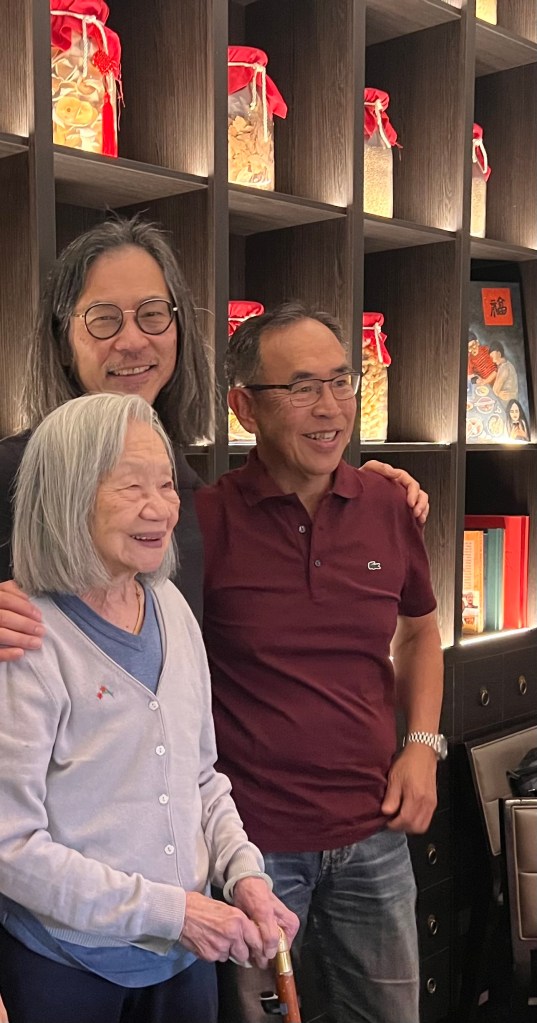

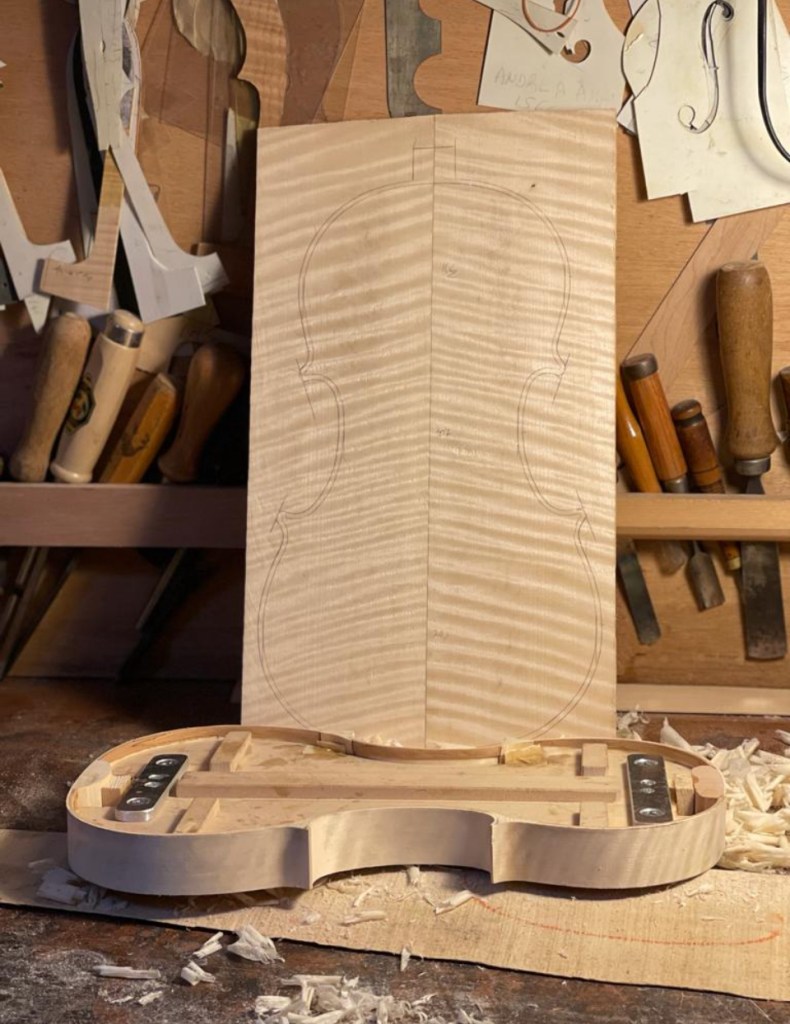
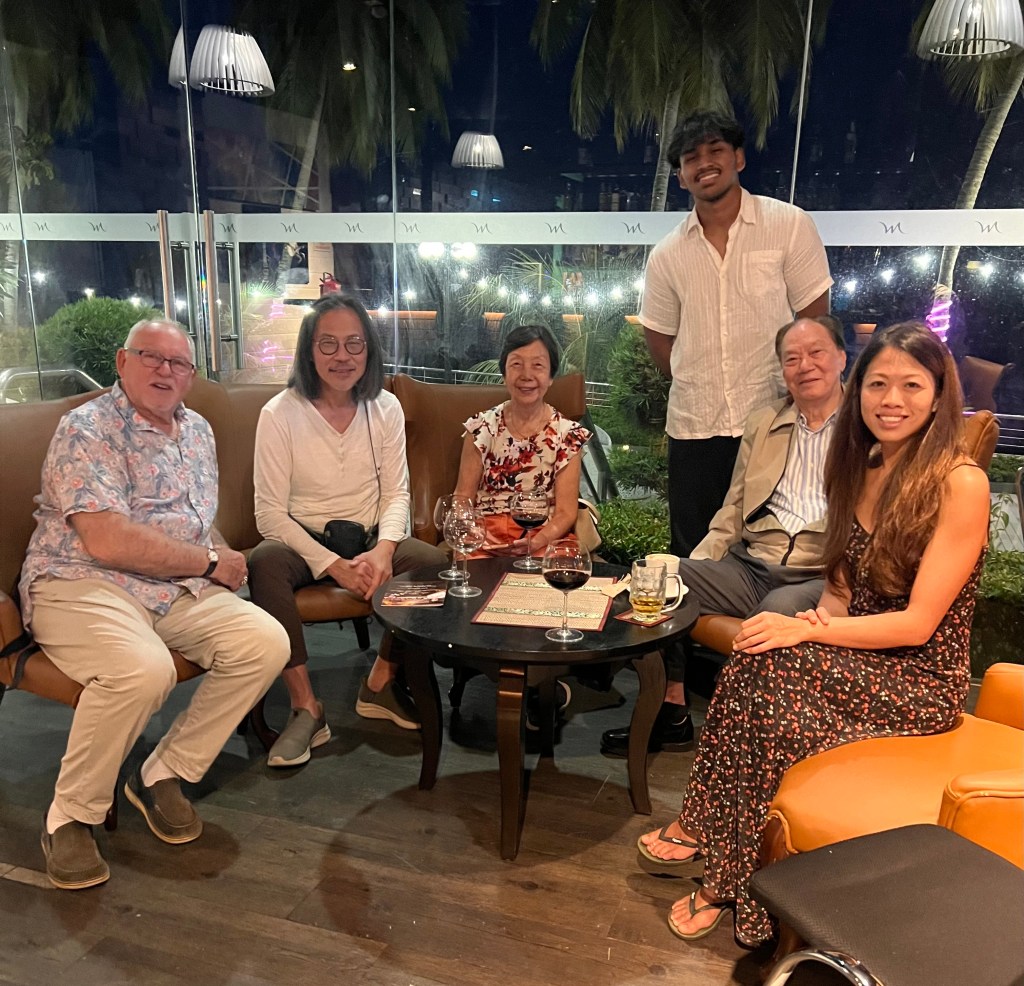
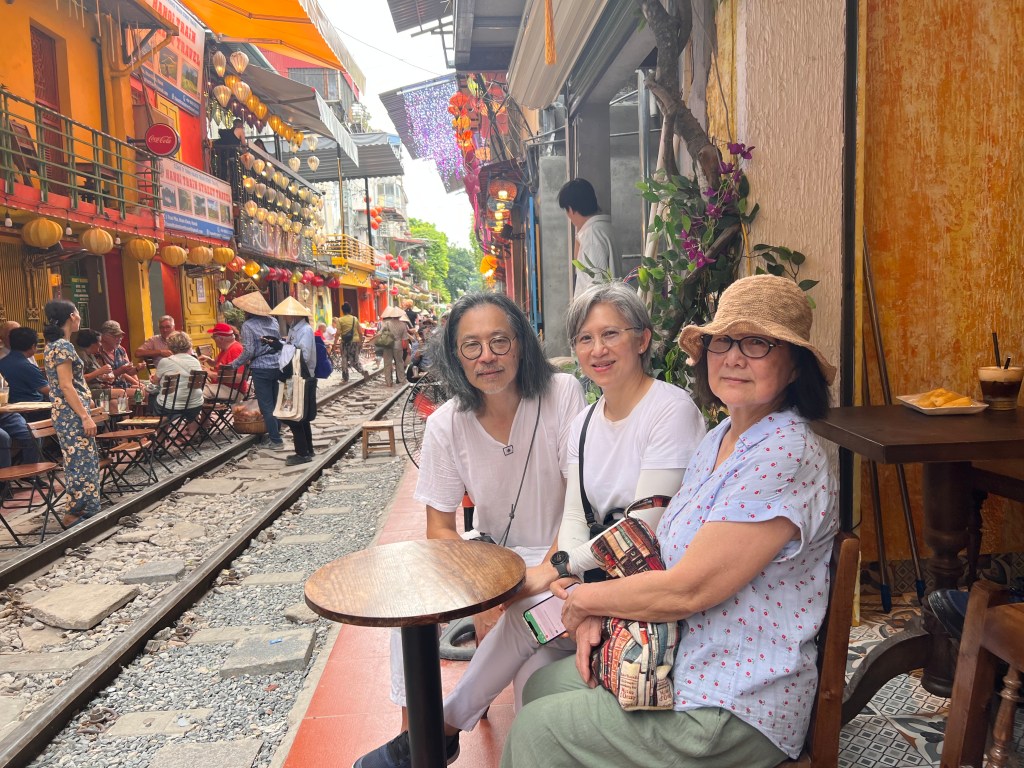
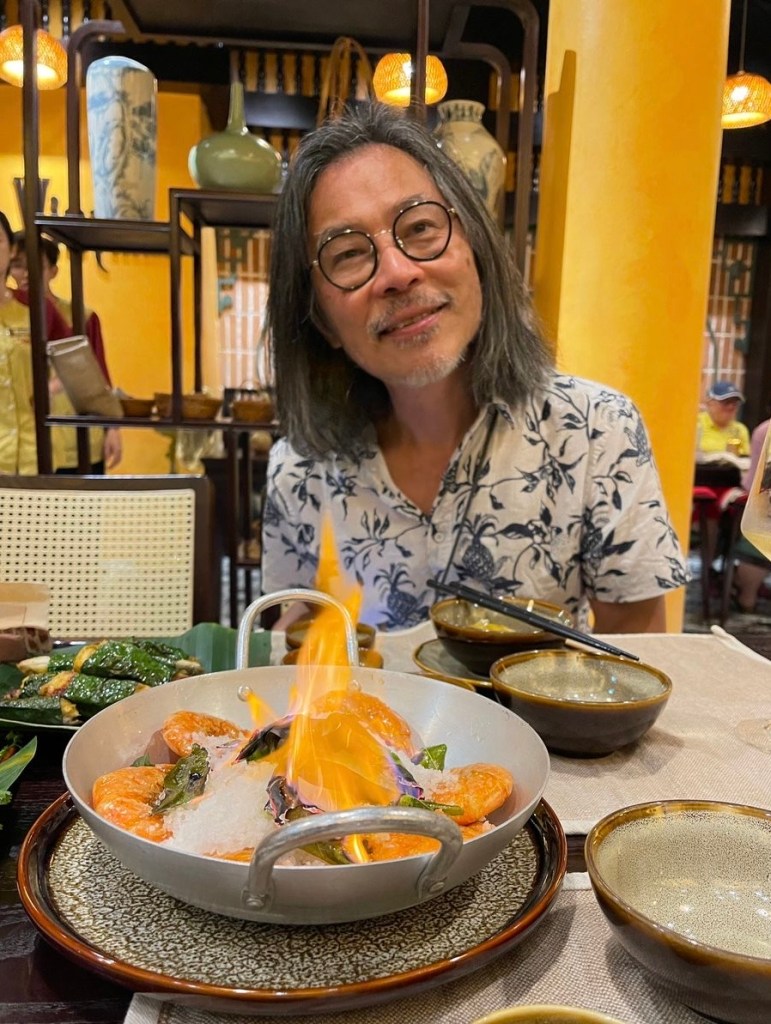
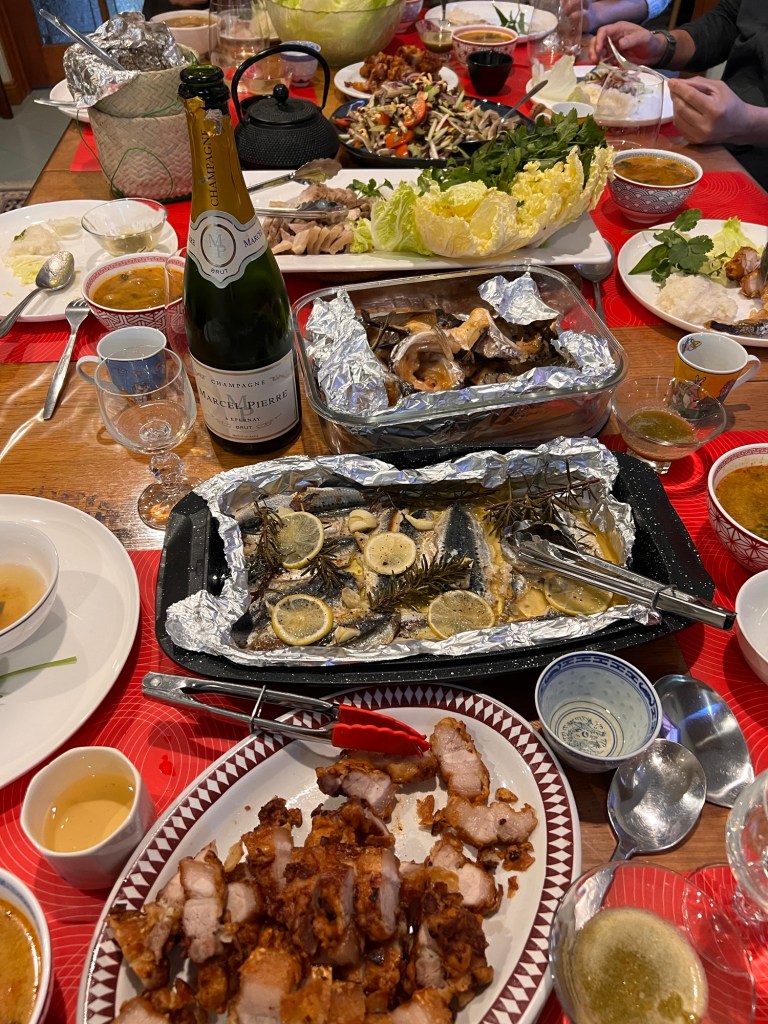


 Urghhlings