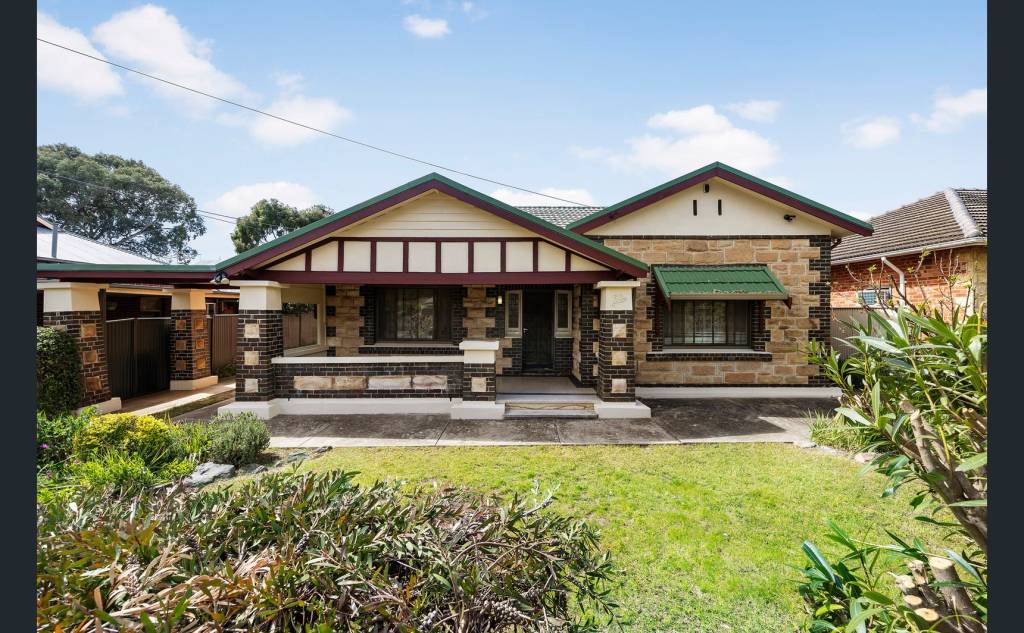
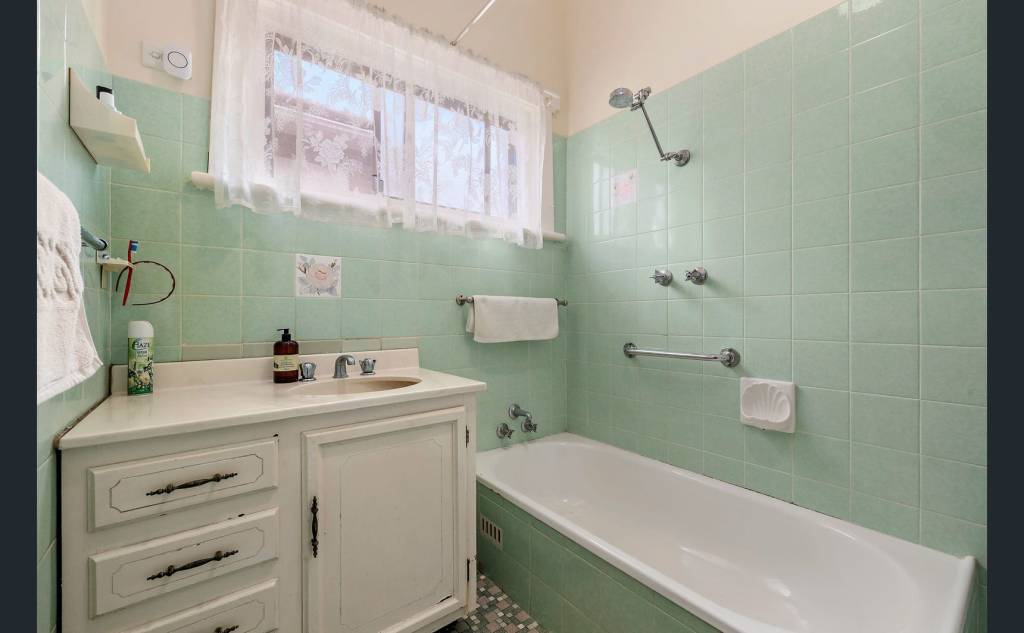
Built in 1925 during the opulent ‘roaring twenties’, it stands as a classic character home, distinguished by its original sandstone and striking, almost-black brick facade. This intricate stonework beautifully complements an architectural style reminiscent of a substantial gentleman’s bungalow, exuding an undeniable sense of historical charm and enduring craftsmanship. Throughout the interior, nearly all the rooms boast grand, generous proportions with high, soaring ceilings and sprawling footprints. The sole exception is the central bathroom, which, despite featuring a pleasant and calming light green palette, remains quite modest and functional by today’s modern luxurious standards—distinctly average in scale and noticeably devoid of contemporary embellishments such as ubiquitous marble-clad walls or sleek double hand basins.
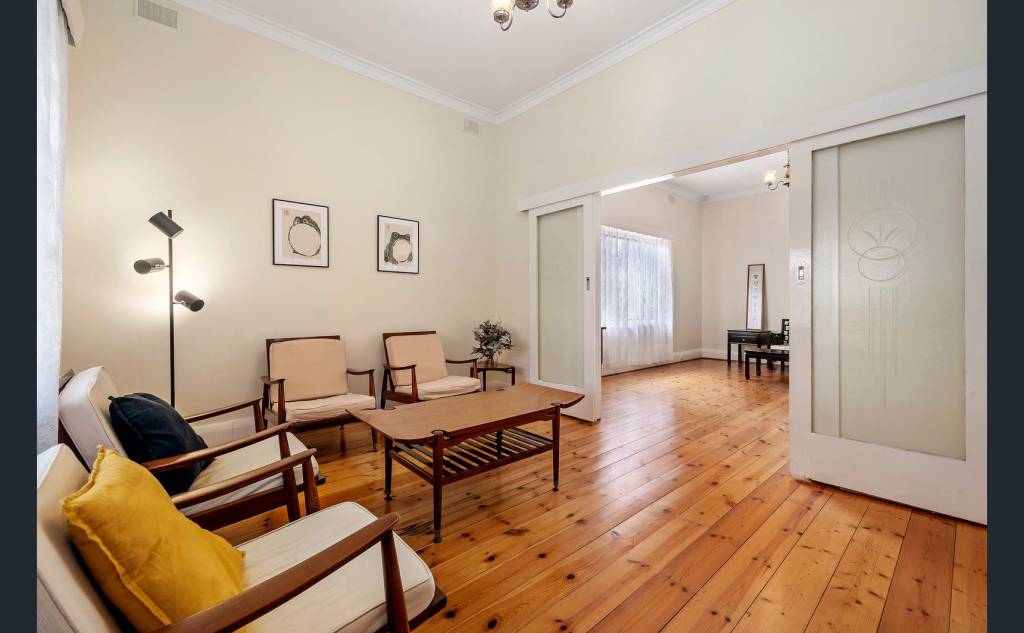
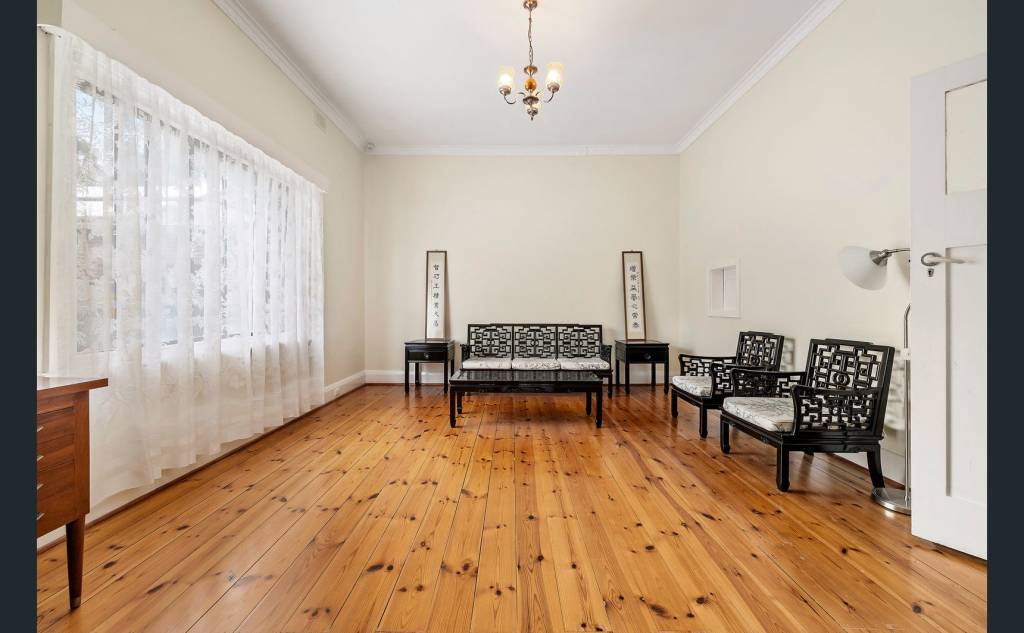
This was my parents’ new home in Adelaide in 1988 after they packed up their entire lives and moved their precious belongings across the world to a new country. Their luggage held treasures accumulated over decades: old coins, delicate jewellery and pure gold chains, and metres upon metres of cloth that my mum, Ahma, meticulously planned to turn into curtains, clothes, and pillowcases, plans that were never realised. Yet, so many cherished items of immense sentimental value could not fit, forcing them to either give them away to relatives or reluctantly dump them before departure. Upon arriving, I think my dad, Ahpa, was instantly inspired by the property’s soaring ceilings and rustic timber floorboards, which conferred a stately atmosphere. Coupled with a very generous land size of 880 square metres, the estate offered extraordinary potential for future expansion, gardening, or thoughtful refurbishment. The formal dining room and sprawling lounge showcase the home’s impressive proportions and timeless character. Meanwhile, the generously sized bedrooms present excellent scope to introduce modern comforts and updated fixtures, all while preserving their original sense of grandness, architectural charm, and nostalgic warmth.
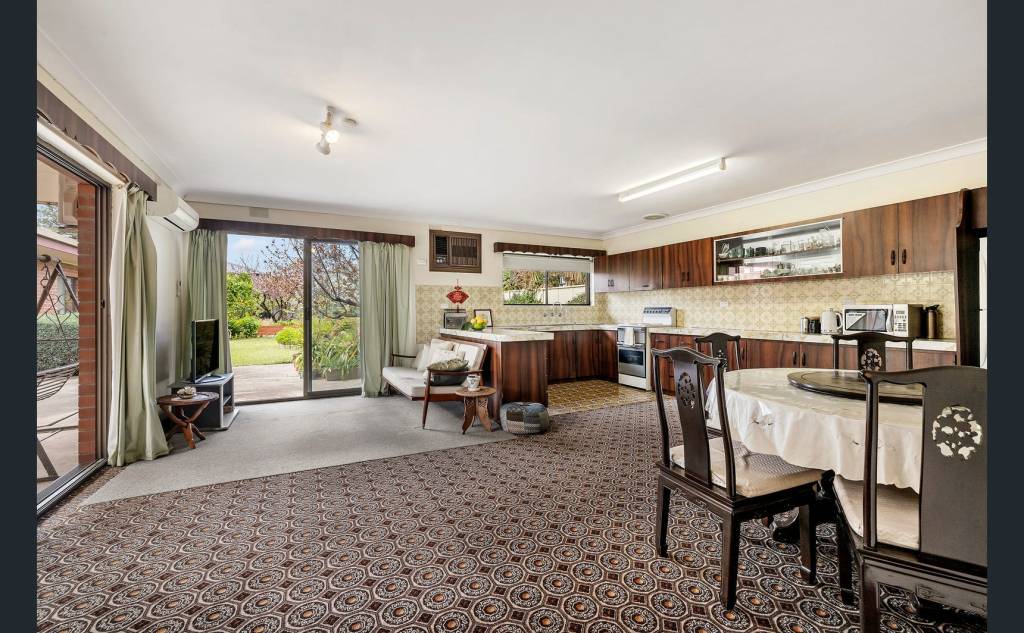
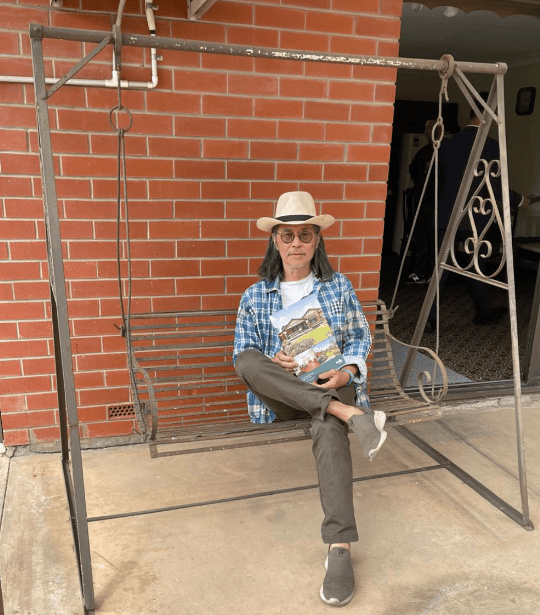
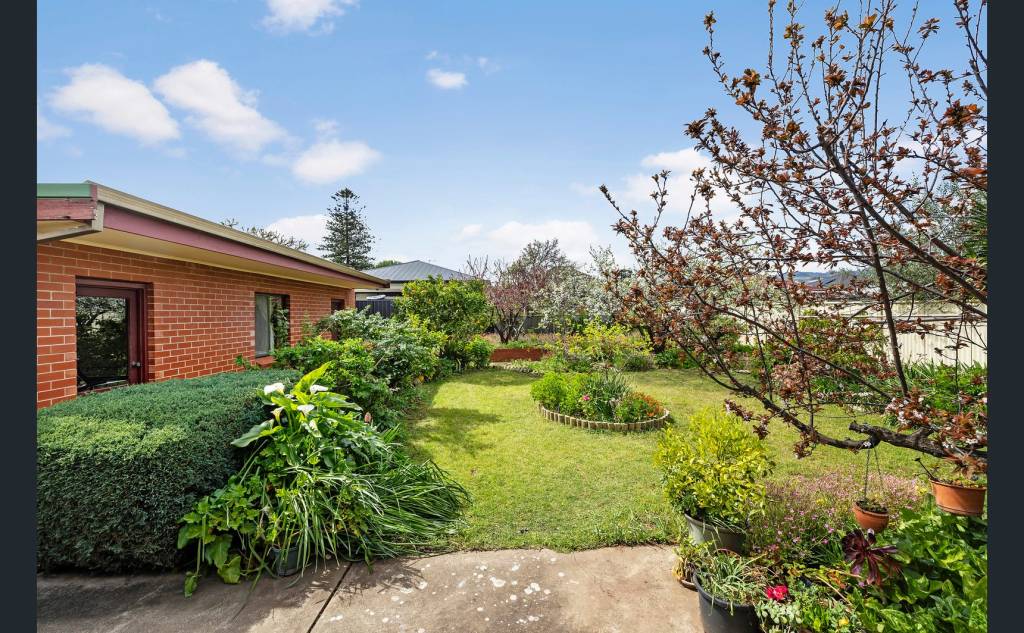
Positioned at the very heart of the home lies an oversized study, offering a versatile space ideal for work, quiet contemplation, or creative pursuits. The six-foot desk I used during my school days will surprisingly find a new home, this time in my own home in my own study. Seamlessly connected, the light-filled open-plan kitchen and adjoining family room boast scenic views of the rear garden. Extending outward beyond the family room, an expansive pergola would be expertly built a year later by my good friend, John Scalzi, creating an outdoor space for Ahma to cook rather than as an ideal setting for outdoor parties and family gatherings – activities they never did there. Further past the garage—which is currently utilised as spacious storerooms, yet can easily be converted back or thoughtfully re-purposed into a fully equipped granny flat or creative studio—lies the bountiful back garden. This vibrant outdoor space is a lush, happy haven where my very young sons used to endlessly run around, play cricket, and soak in the fresh air. After a rowdy time of active games, they would blissfully rest and behave like spirited young monkeys on the outdoor swing which was transported all the way from our old house in Penang. Remarkably, that very swing remains standing there today, serving as a nostalgic relic of childhood memories, albeit now totally rusty and squeaky with time.
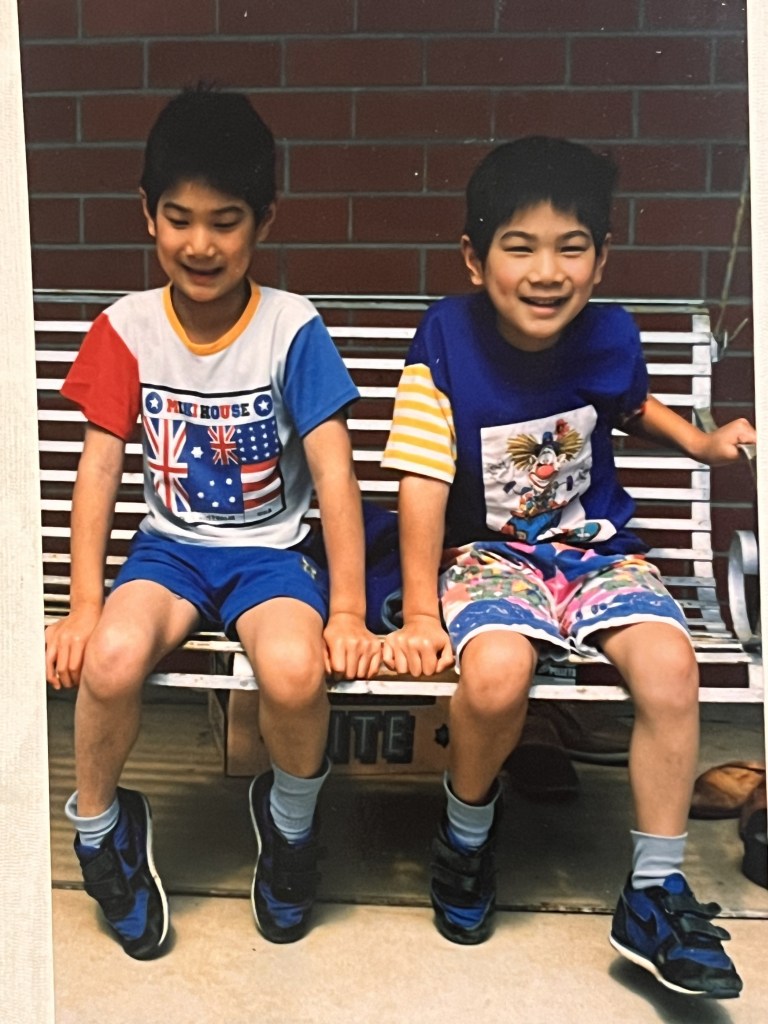
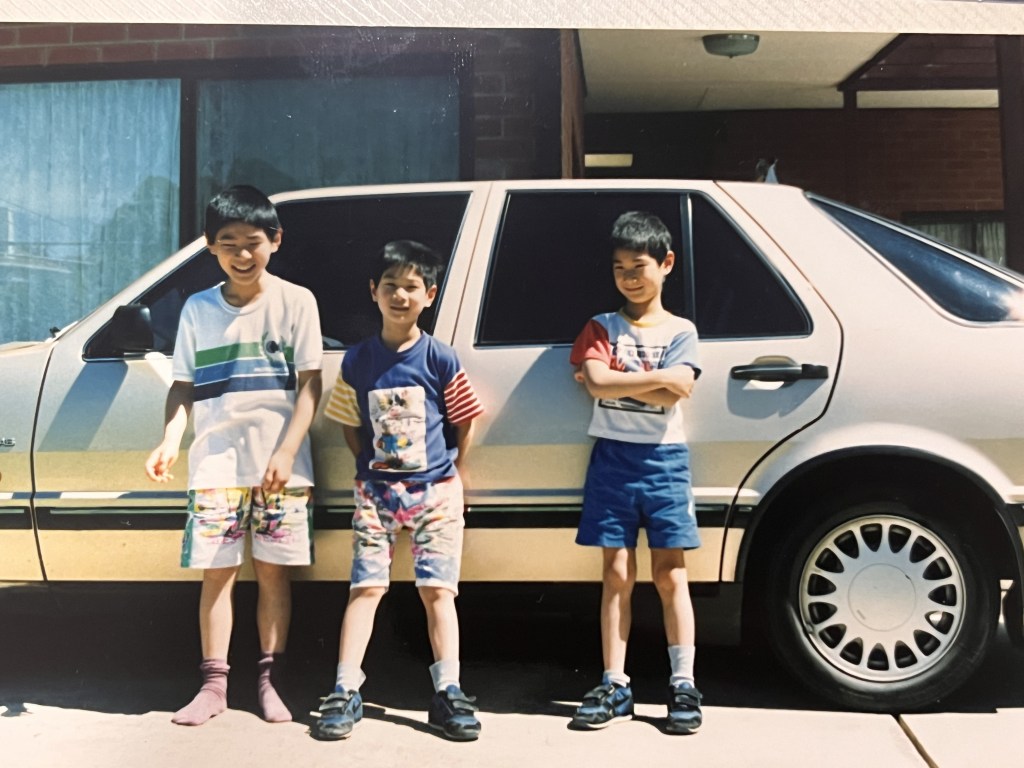
Without fail, we would turn up every weekend to spend a few precious hours together in that house. In 1988, I had already left home for eleven years, building a life of my own, yet the pull of family remained as strong as ever. At that time, Ahpa was 71 and Ahma was 65. To my eyes, they were already well into their twilight years, and a nagging guilt-ridden feeling took hold of me—that I urgently needed to make up for all the lost time away from them. Sometimes, on a bright weeknight during daylight savings when the evenings stretched out long and warm, I would spontaneously bring my family over for just a few minutes, wanting nothing more than to see my parents and wish them a restful good night.
Ahpa was a man of unfailing discipline and strict routine, adhering faithfully to a schedule where he would reliably turn in for bed by six o’clock every single evening. On one particular occasion, our energetic, unannounced arrival and the vibrant, bustling chatter of the three grandsons rubbed him completely the wrong way. Deeply irritated by the sudden noise interrupting his sleep, he shooed us away, forcefully calling out, “Go home, go home!” Hurt, flustered, and desperate to avoid escalating any tension, I quietly and quickly gathered up my children to make a hasty departure. As we hurried down the hallway toward the door, I overheard Ahma softly and gently trying to soften his harsh reaction, reassuring him, “They just want to spend some time with us.” But Ahpa’s sharp, unyielding response cut through the quiet air: “Who asked them to come?!” Stung by his apparent coldness and sharp rejection, I felt a heavy wave of frustration, thinking to myself at the time what a grumpy old man he had become.
It wasn’t until some decades later, when I turned 60, that I finally understood the reason for his frustration. Back then, Ahpa was already openly taking sleeping pills to cope with restless nights, so I really should have been far more observant and empathetic regarding the severity of his chronic insomnia. It was only after I began struggling with my own sleep deprivation that the realisation hit me with sudden clarity: his intense outburst wasn’t out of malice, irritation, or a lack of love for his family, but was born of the desperate need for uninterrupted, quiet sleep. Only then, after suffering through my own sleepless nights, did I fully grasp why he had chased us away that evening.
In those early months after their initial move, we would occasionally gather at the house to enjoy Ahma’s authentic home cooking. With the full benefit of hindsight, she wasn’t actually that old or physically feeble yet, and she remained more than capable of cooking up a storm for all of us. However, Ahma had always been extraordinarily meticulous, methodical, and labor-intensive when it came to her household chores. Preparing a full family feast was no small feat for her; it would easily consume an entire day of non-stop, dedicated preparation in the kitchen. If the menu happened to feature special traditional ingredients like ‘tongku’ (rich, earthy shiitake mushrooms) and ‘nee-kor-kee’ (distinctive, band-aid shaped rice cake noodles) that demanded long soaking periods to reach the ideal texture, then the prep work would span several days of painstaking effort. Like an inveterate coffee-drinker, she had to inspect her larder and fridge daily to pick the oldest foods to cook first.
Because of the immense effort it required on her part, sitting down for a meal at their house naturally became a rare occurrence after a while. It was simply much easier and far less taxing for everyone if my Mrs cooked for them instead. Thus, a new routine was born: my Big Sis, who lived with our parents, would bring them over to our place to have a peaceful dinner with us once a week. Big Sis isn’t big in terms of physical stature, but rather in terms of family seniority, holding the respected position of the eldest among my siblings.
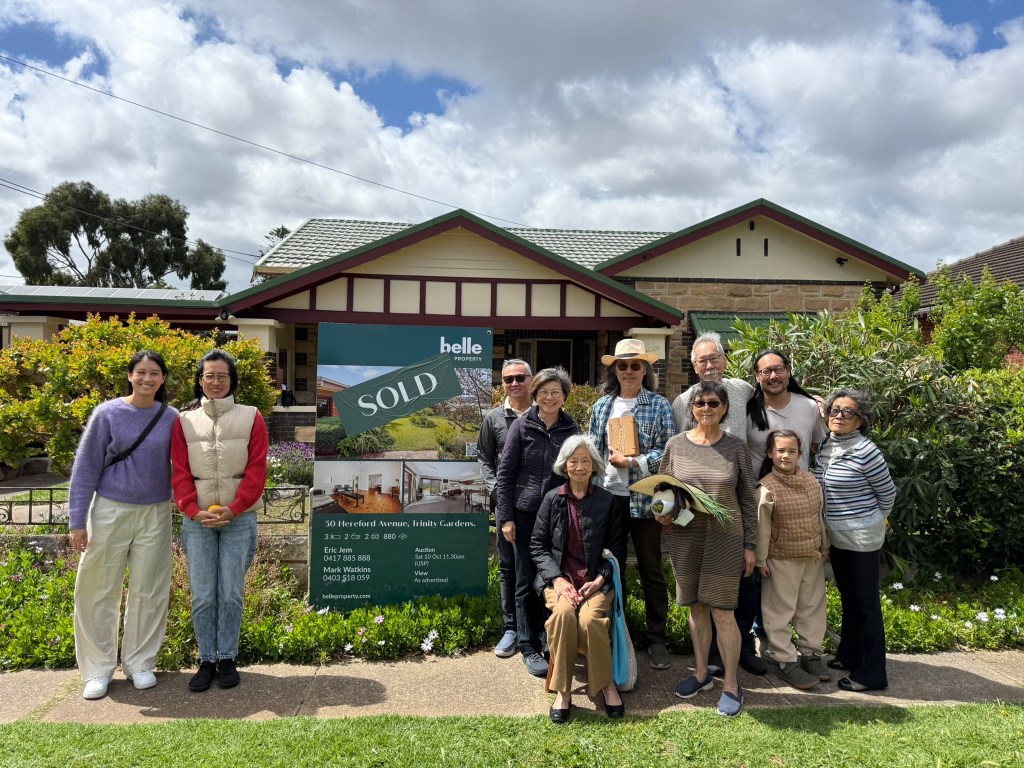
Today, as we gathered to bid farewell to the old family home, we had our group photo taken outside on the front verge. I had brought out a small wooden stool—an item I had usurped from the house since no one else seemed to want it anymore—and offered it to Big Sis to sit down to have the photo taken. Big Sis firmly refused to sit on it, so I quickly sat down like an elder. After some castigation and insistence from the other siblings, I had to vacate my seat and hand it over to her. It was a vivid reminder that in my family, traditional seniority still carries immense privileges and unspoken authority—not entirely dissimilar to a government’s exclusive enjoyment of seigniorage. This deep-seated reverence for family hierarchy has always dictated our interactions, shaping both minor moments and major life milestones. Big Sis holds a revered position as the eldest among us now that Ahma, inflicted with rheumy eyes in her final year is gone, embodying that quiet power and unyielding respect. Vacating the simple wooden stool for her on the front lawn was far more than a courteous gesture; it was an unspoken acknowledgment of her role at the head of our generation, upholding traditions that have bonded our family together across decades and continents.
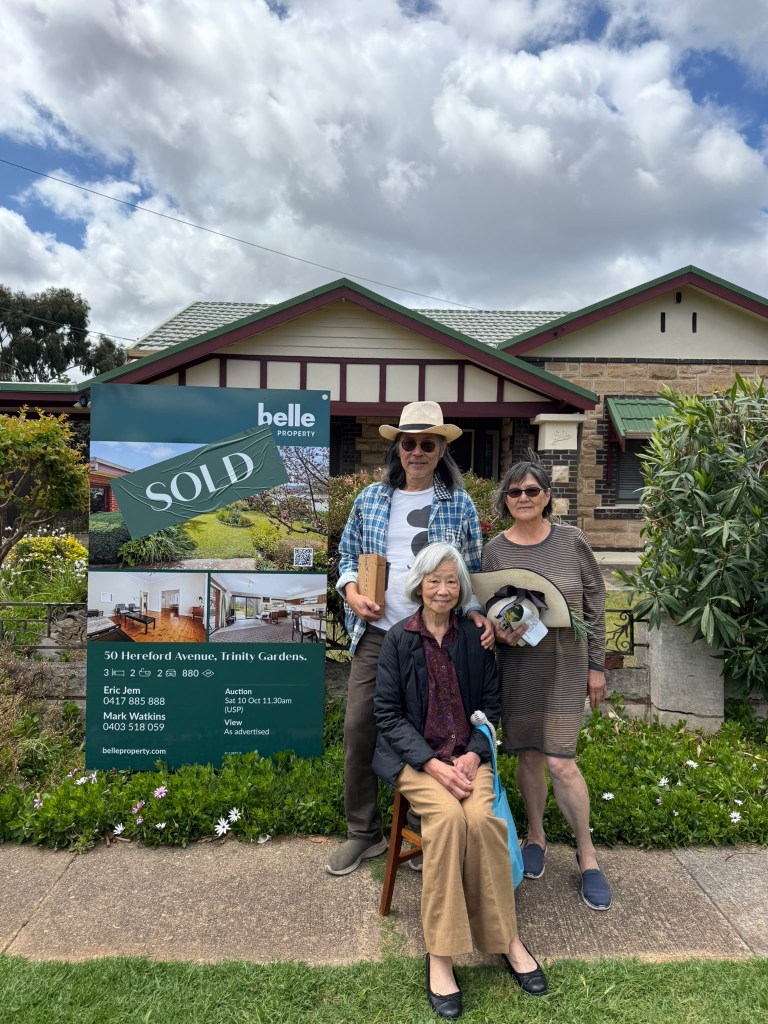
Why did we all gather to have our photo taken outside the house? My youngest son remarked, “Another chapter ended!” Big Sis officially sold the family house today. Leading up to the auction, the weather forecast had been thoroughly bleak—predicting a windy, cold, and wet day with a maximum temperature of just 17 degrees. I was genuinely worried that the dismal weather would keep people away, resulting in a sparse crowd unable to generate the necessary excitement and competitive momentum of buyers continuously outbidding one another. I arrived at the property early, eager to satisfy a quiet, contemplative mood and to personally say my final goodbyes to the familiar smells, the deeply soothing feeling of home, the bittersweet swell of nostalgia, and the comforting warmth of decades of loving memories.
Yet, to my quiet disappointment, those familiar scents of the past were entirely absent; the lingering, aged smells of old parents had been recently chased away and masked by a fresh, crisp coat of paint. The rich, inviting fragrance of home-cooked meals—painstakingly prepared by Ahma over so many years—had long since vanished. Similarly, the vivid mental images of my dad practicing his daily version of Qigong in the backyard felt long lost, fading away like fragile, old yellowed photos left out too long in the harsh glare of the sun, forever damaged and faded by time.
The sun was out, accompanying the brilliant blue skies overhead. It’s gonna be a good day, I proclaimed in my heart. People started streaming in like the warm golden rays of the sun, filling the quiet street with an unmistakable sense of anticipation. Cars slowed down as they passed, the curious drivers leaning toward their windows to check out what all the commotion was about. Three Italian families converged on the front garden, their animated gestures and vibrant chatter instantly making the atmosphere cheerful and party-like. A young couple treaded on the driveway, hesitantly, seemingly unsure of their whereabouts or where they should stand amidst the growing crowd. As expected, there was a large throng of Asians gathered, trampling the neighbour’s verge, making themselves very visible and audible as they actively discussed the property’s potential. By around ten minutes before the auction was scheduled to begin, the whole place was practically overrun by prospective Asian buyers. Their presence lifted my spirits—and I hoped they would also lift the final price of the house. Asians are famous for engaging in intense bidding wars, and I had no reason to think these enthusiastic groups won’t do exactly that today.
As if pre-ordained by some capricious force, the weather gods abruptly decided to chase away the bright afternoon sun and summon an ominous gathering of dark, bruised clouds. The wind rapidly began to pick up strength, whistling sharply around the eaves of the porch and aggressively attempting to blow away my hat. I was worried the wind might blow off the rusty gutters at the back of the house. My hat was a very nice gift from my brother-in-law, purchased during an unforgettable family holidaying trip in Rome, so I made sure to pull it down tightly and securely over my head to keep it safe from the sudden gusts. By the solemn moment the auctioneer stepped onto the elevated front porch to officially proclaim the commencement of the auction, the last golden rays of sun had truly deserted the entire suburb. My once uplifting, expectant mood had turned remarkably dark, leaving the outlook for a happy or triumphant outcome feeling dour and sour.
The auction began with an opening bid that was utterly ridiculous, offered by a young Indian man. It was an insulting and almost laughable attempt, so far below expectations that it barely registered as a serious offer. Seemingly aware of the absurdity of his bid, he quietly slipped away and left the scene long before the bidding process even concluded. Moments later, a second bid came in at a whopping 40% higher. “That’s far more reasonable,” I whispered quietly to myself, though from my vantage point in the crowd, I couldn’t actually see who had raised their hand. A troubling thought crossed my mind: was it a genuine buyer, or merely a vendor bid placed by the auctioneer’s own agent to artificially propel the momentum? To everyone’s growing unease, no further bids followed, despite the auctioneer’s persistent efforts, dramatic pauses, and energetic appeals to garner support and keep the competition going. Although five serious, registered buyers were supposed to be in attendance, we were left with only one legitimate bid in play—since the initial low offer from the young Indian man was far too frivolous to count. Sensing the momentum grinding to a complete halt, the auctioneer called an official pause to the proceedings and stepped back inside the house. I imagined Big Sis inside, nervously biting her fingernails and pacing restlessly up and down the dining room floor as she awaited an update.
It took what felt like an absolute eternity to the waiting crowd, who had initially stood by with quiet patience, for the auctioneer to finally step back out onto the front porch. As the minutes dragged on under the gloomy overcast sky, people began nervously fidgeting, shifting their weight from side to side, and darting anxious glances around the yard to see who among them might make the first decisive move to give up and leave. Unable to bear the lingering uncertainty any longer, I decided to ring Big Sis directly to uncover what was causing such an agonising delay inside. Over the phone, she confessed that she was locked in an agonising dilemma, unable to decide whether to settle for an offer well below her original reserve price while the agents pushed to squeeze an extra five thousand dollars out of a young, inexperienced buyer. Although I had not personally spotted any prospective buyers following the auctioneer through the front door after the pause was declared, it was abundantly clear from her tense tone that high-stakes, hard-nosed negotiations were unfolding behind closed doors.
I told Big Sis the crowd was getting restless not realising a deal was being made. She asked me what she should do. I advised her that if the remaining gap was only five grand, it was certainly worth making one last attempt to push for it, but cautioned her not to risk jeopardising or losing the deal altogether over a minor figure. In truth, while the negotiated figure fell somewhat short of her expectations, it remained a very fair and reasonable outcome—particularly considering the broader softness in the current property market and the rising angst and unease stirring among sellers across the whole state.
This is a truly remarkable and extraordinary house. I shall miss walking into the rooms and looking fondly at my parents’ furniture, artefacts and paintings. The home has demonstrated an almost supernatural, special characteristic—an uncanny ability to compel prospective buyers to pay a massive premium simply to secure ownership. This unique spell first manifested almost four decades ago with my father, who found himself so captivated during the original bidding that he uncharacteristically stretched his budget, offering a staggering twenty thousand dollars above the previous highest bid. His style of bidding that day was fierce, theatrical, and overwhelmingly aggressive; with every increasing bid he shouted out, he hit the ground with his wooden walking stick. His final and victorious sharp bid was matched with a resounding thud that echoed across the yard. History vibrantly repeated itself today as the home’s irresistible allure cast its spell once more, visibly possessing a young couple who eagerly negotiated and agreed to pay an astonishing $175,000 above the single legitimate bid received during the public auction, a bid they themselves apparently made. And just as suddenly as they came, the dark clouds inexplicably disappeared, leaving behind a blue sky mostly impregnated with thick white clouds.