
Some say we are already in our dotage. Surely not, we may be in our sixties but we aren’t weak and in declining health, are we? Sigh, it’s all relative I suppose. When was the last time I dashed a hundred meters or jumped six feet high? My recent reunion with school mates from four decades and more ago was a stark contrast from distant days gone by. We wouldn’t be seen stark naked these days, we just don’t possess a physique that demands a first look anymore. We talked about health issues and wealth issues, no longer girl issues. Some of the grey ones amongst us are blessed to be doting grandpas, in dotage.
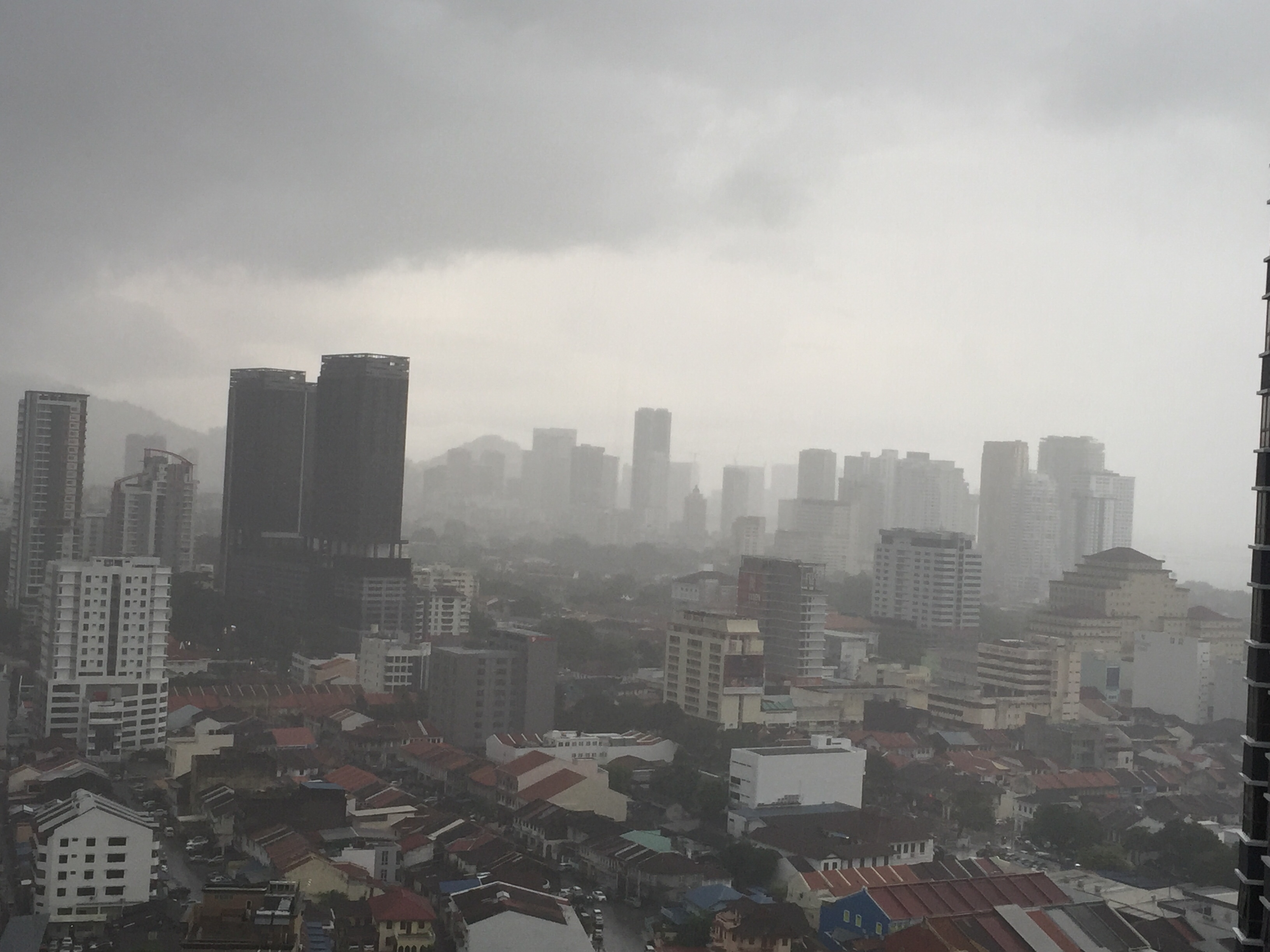
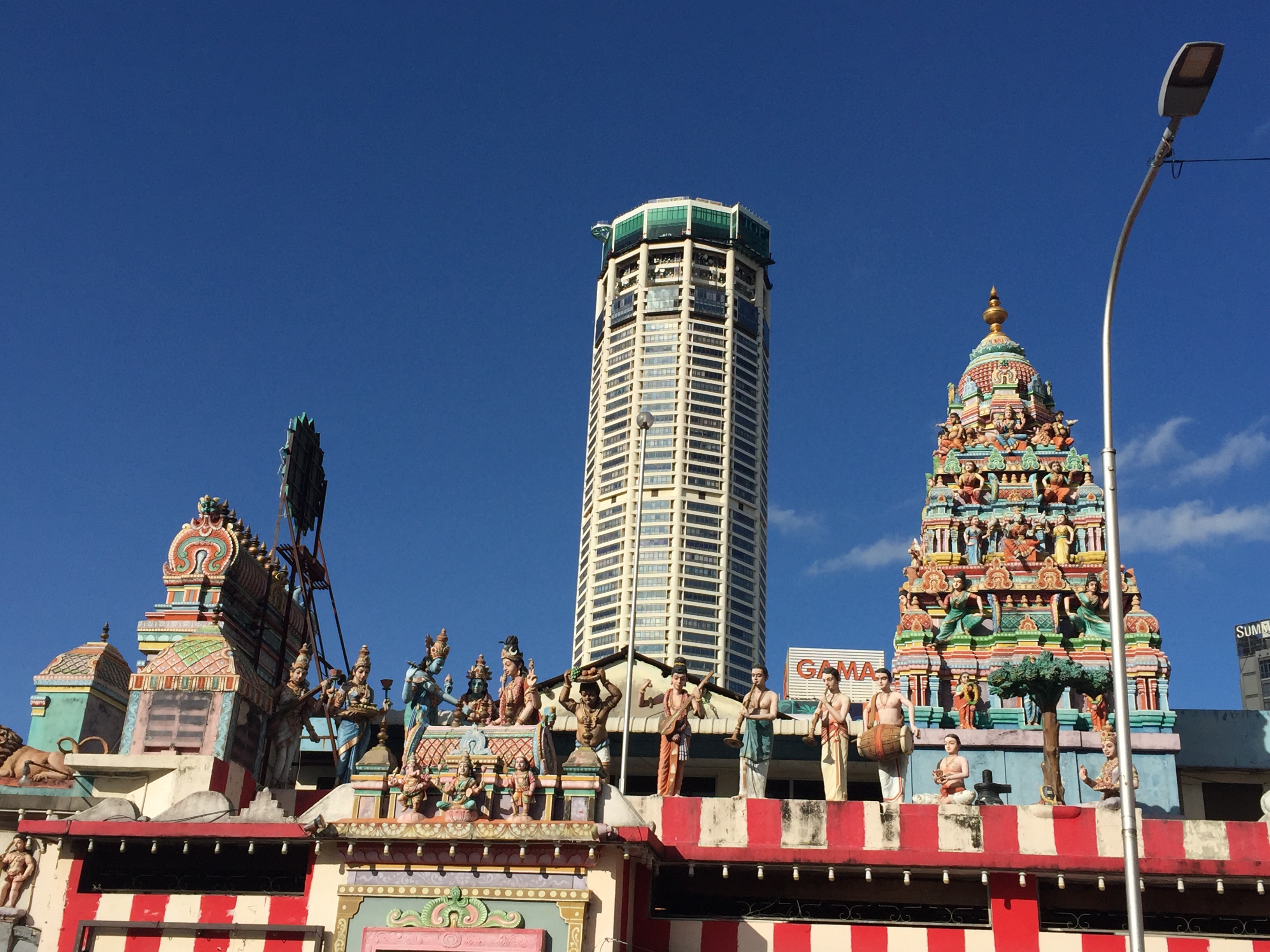
Upon my return to Penang, I was reminded of my hometown’s proud achievement in 2008. Georgetown, Penang’s capital city was listed as a UNESCO World Cultural Heritage site. The oldest of the British Straits settlements, Georgetown is dotted with rows and rows of shoplots, many of which are still in desperate need of a good paint job. Gems are easily found hidden amongst these, some are exquisitely renovated and have been brought back to their former colonial glory. Retaining the island’s cultural and architectural heritage is admirable. But I think to be a world heritage site, it has to offer more than just these. As importantly, I think Penang’s famed food heritage should be equally cherished and protected. This precious heritage through the culinary gifts from so many faraway places in Asia for over two hundred years shouldn’t be taken for granted lest it is quickly lost. Broadly speaking, the incredibly vast menu of food including street food, also known as hawker food, mostly originated directly from China, India, Sri Lanka, Thailand, Indonesia whereas others are influenced by mixed cultures such as the Peranakan, a blend between Malays and Chinese. To simply say the foods are from China and India of course is to markedly devalue this culinary diversity that is Penang’s gift to the world. These two vast nations have over two hundred ethnic groups, each with their own uniqueness stemming from geographical, seasonal, tribal, and cultural influences, to name a few. China and India are in fact two major civilisations that pretend to be countries.
In the past 44 years, I have returned home for maybe five times. So, I think returnees like me may have a strong claim to know if a cherished dish has lost its original flavour. And if so, such dishes ought to be out of favour in order for Penang to retain its title as one of the street food Paradise on Earth. Yet, in every corner of Penang, the street food hawkers reign supreme. Many with solid reputations, enhanced by social media and food review “authorities” such as Tripadvisor are often disappointing to those who remember how their food tasted in their heyday. Is it social media that has socially engineered our food heritage? I suspect the hawkers are merely adjusting to the generally less discerning and therefore less demanding taste buds of tourists, and they get away with higher profits with less tasty ingredients. Why spend the monetary cost, effort and time using tediously prepared ingredients when they can simply avoid it and the affable unquestioning tourists will be none the wiser and still rate it with five stars? Food bloggers are usually younger and less discerning, they do not have yesteryear standards to compare with. To me, the issue here is the locals expect and demand street foods to be cheap. They mentally calculate how much a plate of Char Koay Teow should cost from its ingredients without attributing any value for the main ingredient, i.e. the skill and knowledge of the hawker. It is akin to a diner at a Michelin 3-star restaurant who does not expect to pay a stiff price for the chef’s culinary creativity and skills. No, that would not happen in the developed world, so why is this lamentable disgraceful slap in the face treatment for our finest hawkers be tolerated in Penang? Over time, our best food hawkers will simply die away or if we are lucky, their successors and pretenders will compromise on the quality of their output, since people do not put a value on their input.
Below are the only stand-out establishments I was lucky to have experienced last week. These are to me, Penang’s finest food destinations that have retained the high standards passed down from their fore-fathers. There hopefully are many many more that I have missed, a week in Penang is far too brief. I also acknowledge that one man’s treasure is another man’s trash, many will undoubtedly disagree with my opinion.
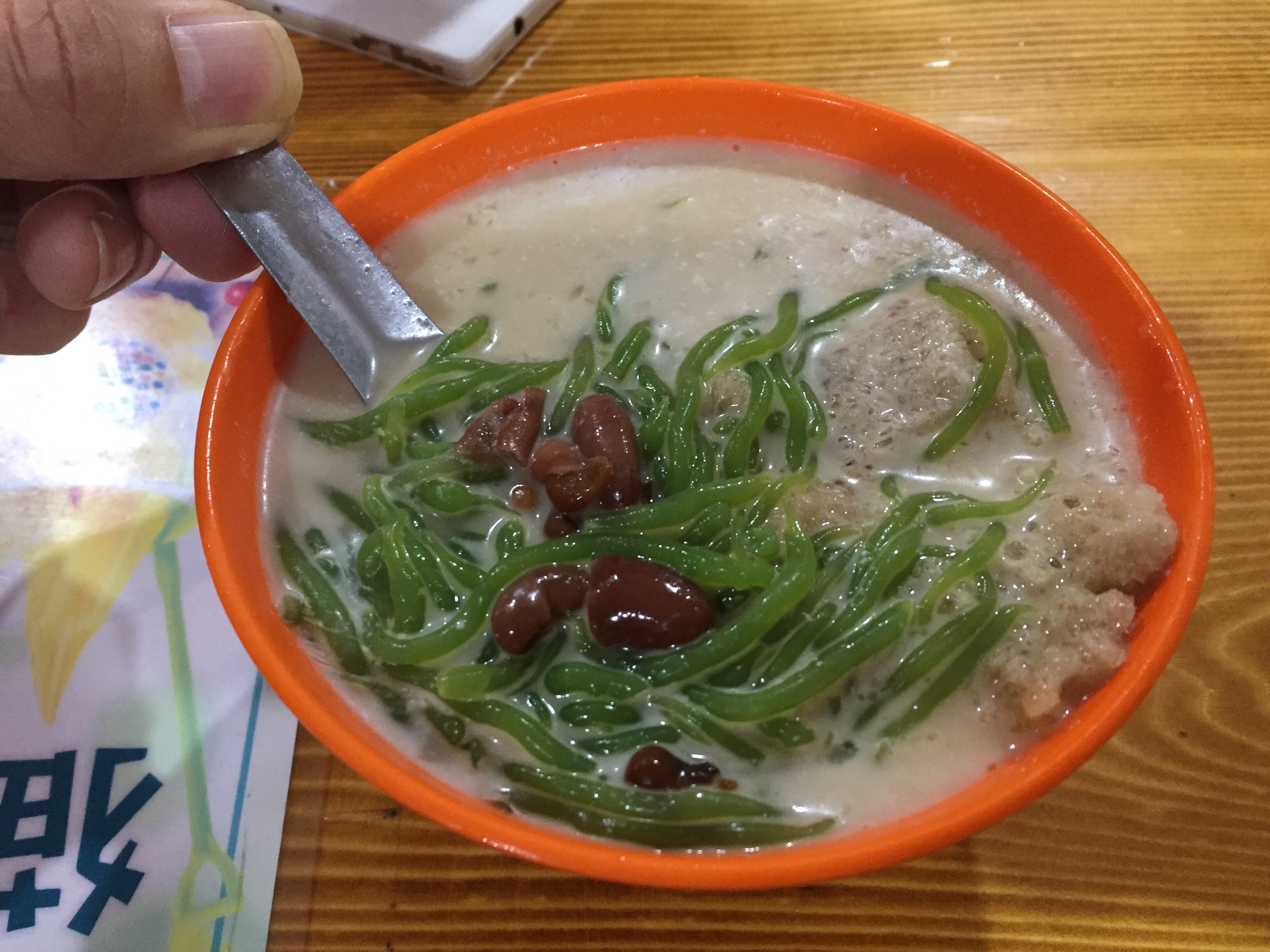
Penang’s Teochew cendol is a sweet delicacy which requires the best Gula Melaka and freshest santan (coconut milk). I have been suffering from severe withdrawal symptoms due to my chronic addiction to it. To soothe myself, I had one serving on my way to Penang. Kwong Wah in section 14, Petaling Jaya, any cendol will do I thought to myself. Surprisingly, Kwong Wah now has usurped the title from Penang’s legendary outlet in Lebuh Keng Kwee as best cendol in the land.

I had Penang’s most famous street food, Char Koay Teow, in four separate locations but none of them made my list. It is a disturbing trend that has to be arrested, or we lose what made us great.

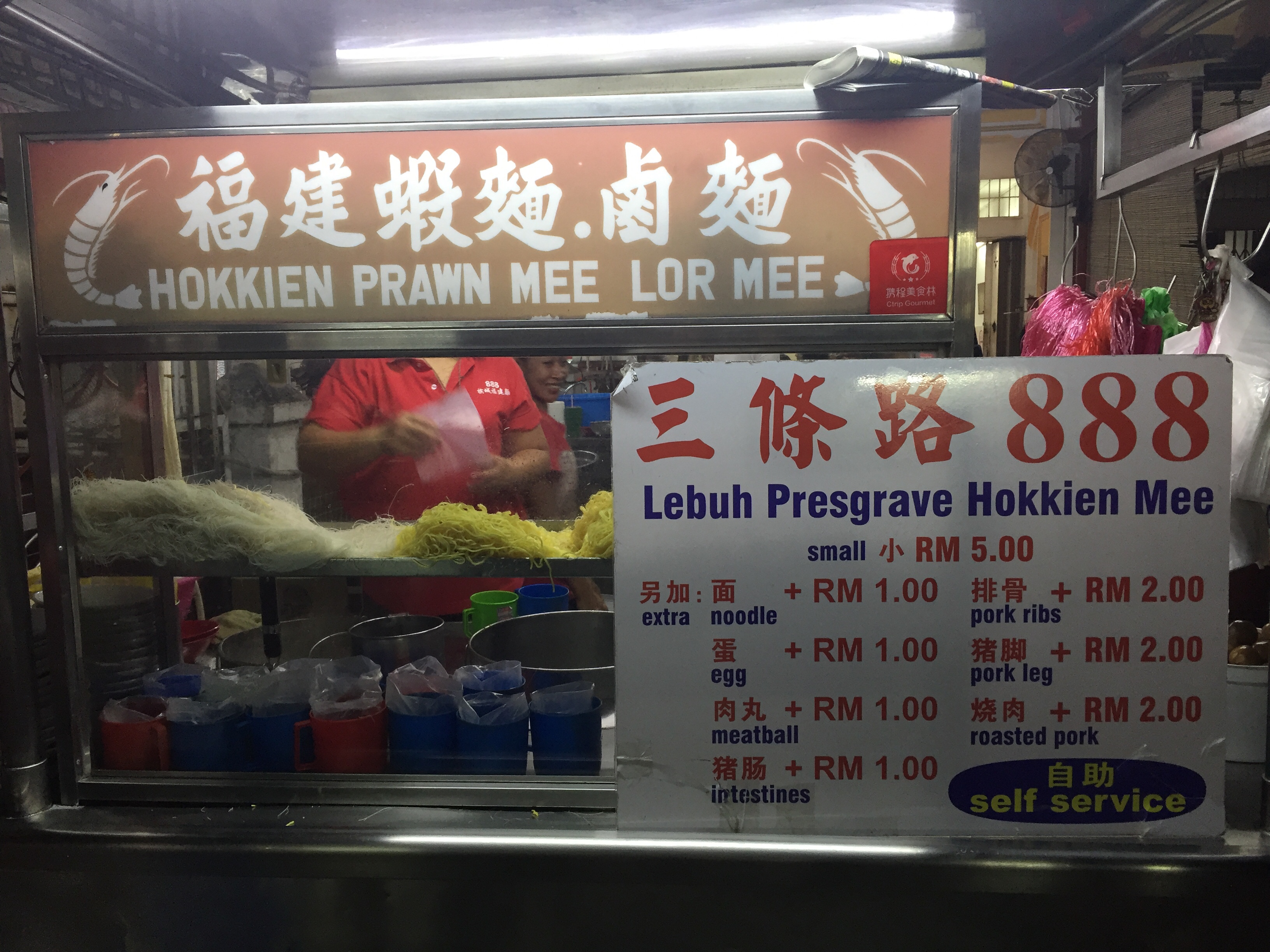
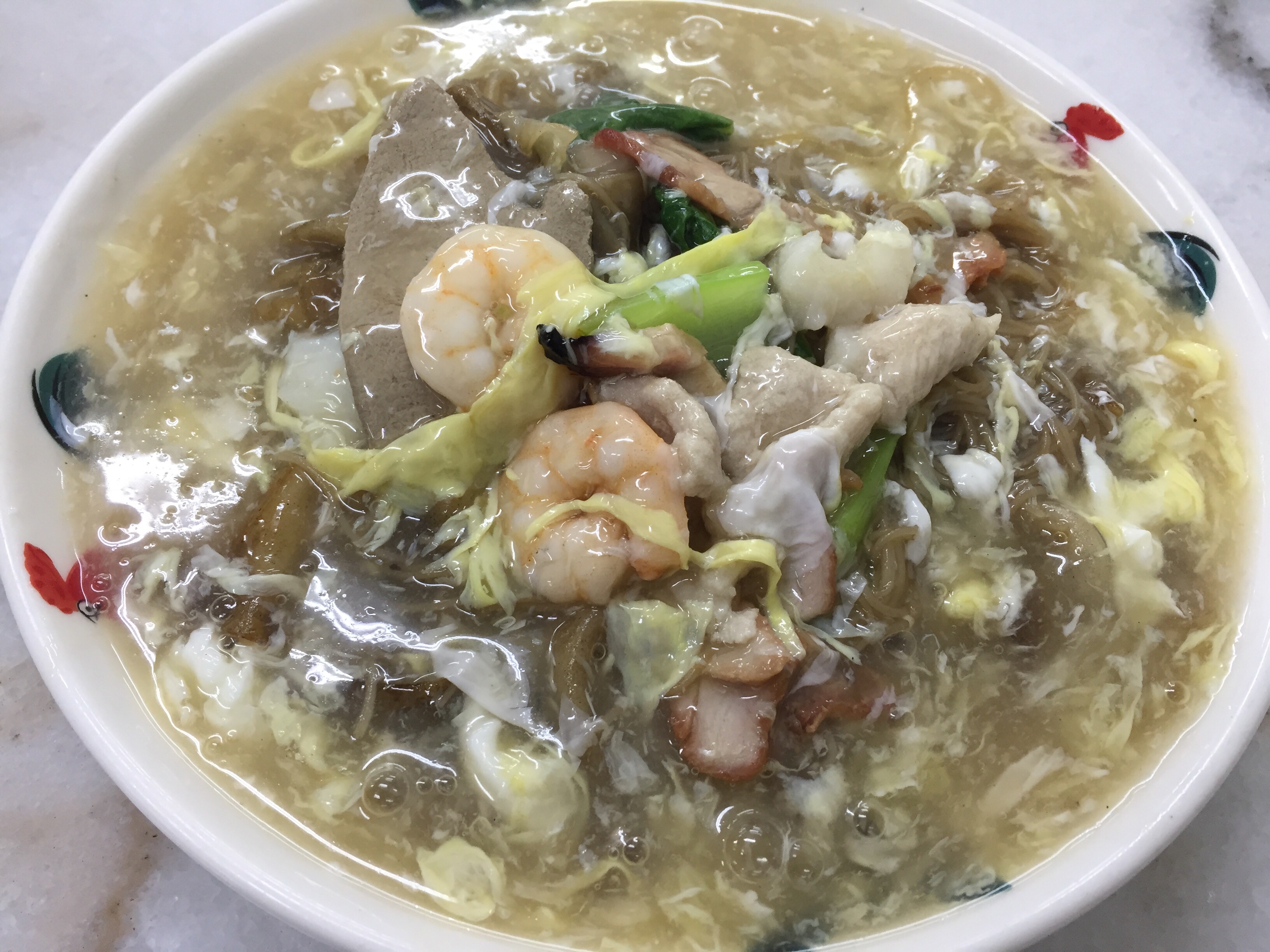
- 888 Hokkien Mee and also the Lor Bak at Lebuh Presgrave.
- 113 Duck Meat Koay Teow Th’ng 111 Lebuh Melayu
- Hokkien Rice Porridge (alternatively, with mee sua) at Hon Kei Food Corner, Kampung Malabar
- Hokkien Cha and Sar Hor Fun at Gou Lou Hong Kee, Campbell Street
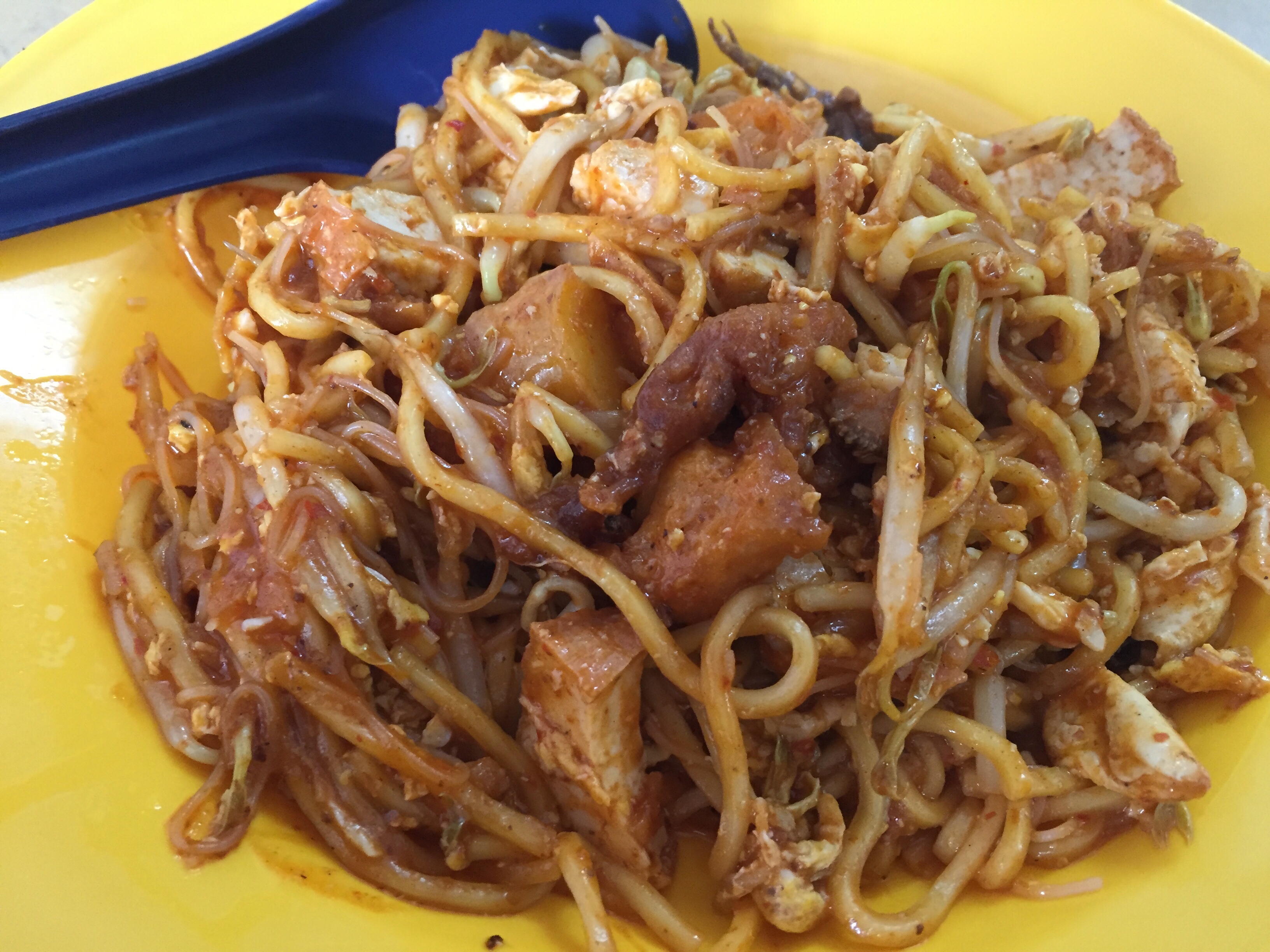
- Jawa Mee at Bobo Cafe, Lip Sin Garden
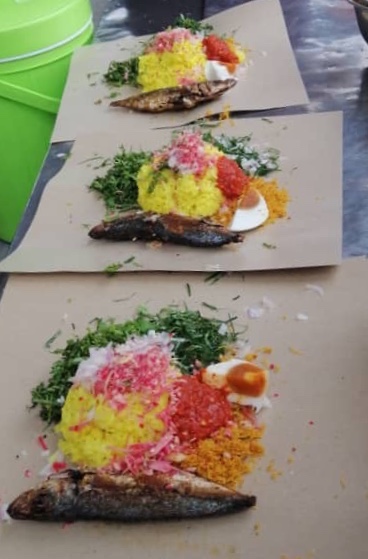
- Nasi Ulam at Air Itam
- Chee Cheong Fun, served unfolded with Sesame, Hoisin and Hae-ko at Seow Fong Lye Cafe, McAlister Lane.
- Lor Mee, at Kheng Pin, Sri Bahari Road.





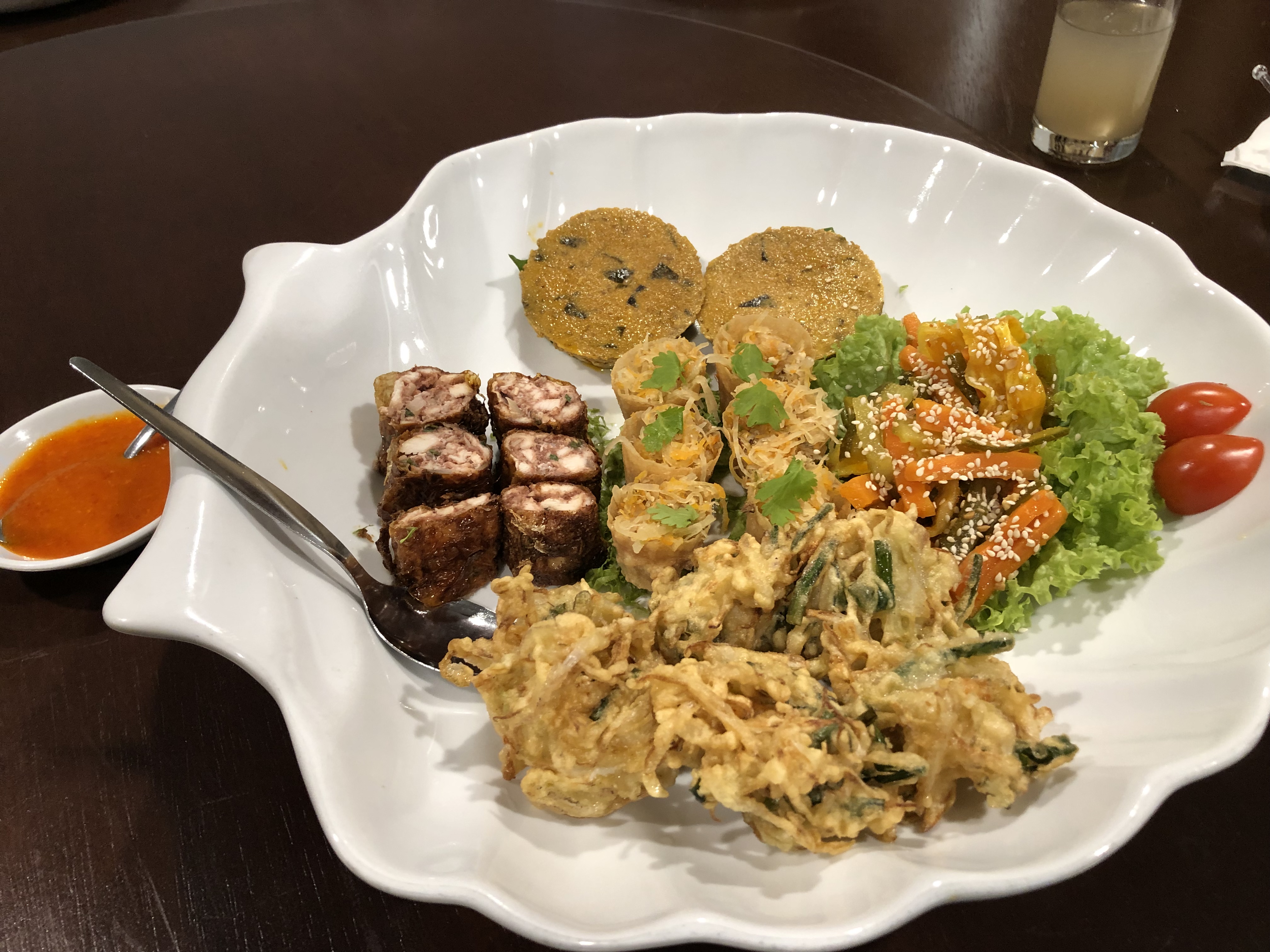
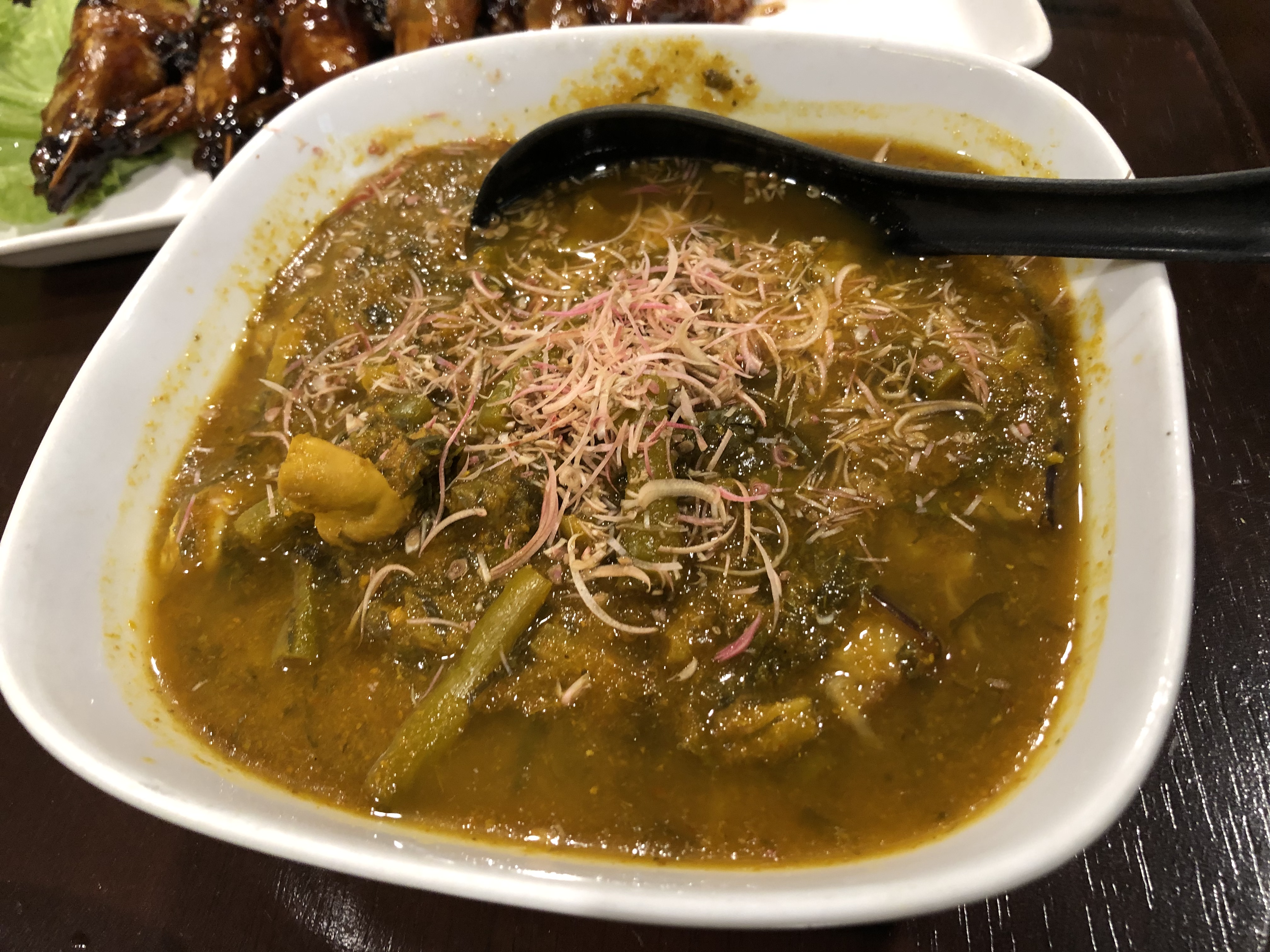
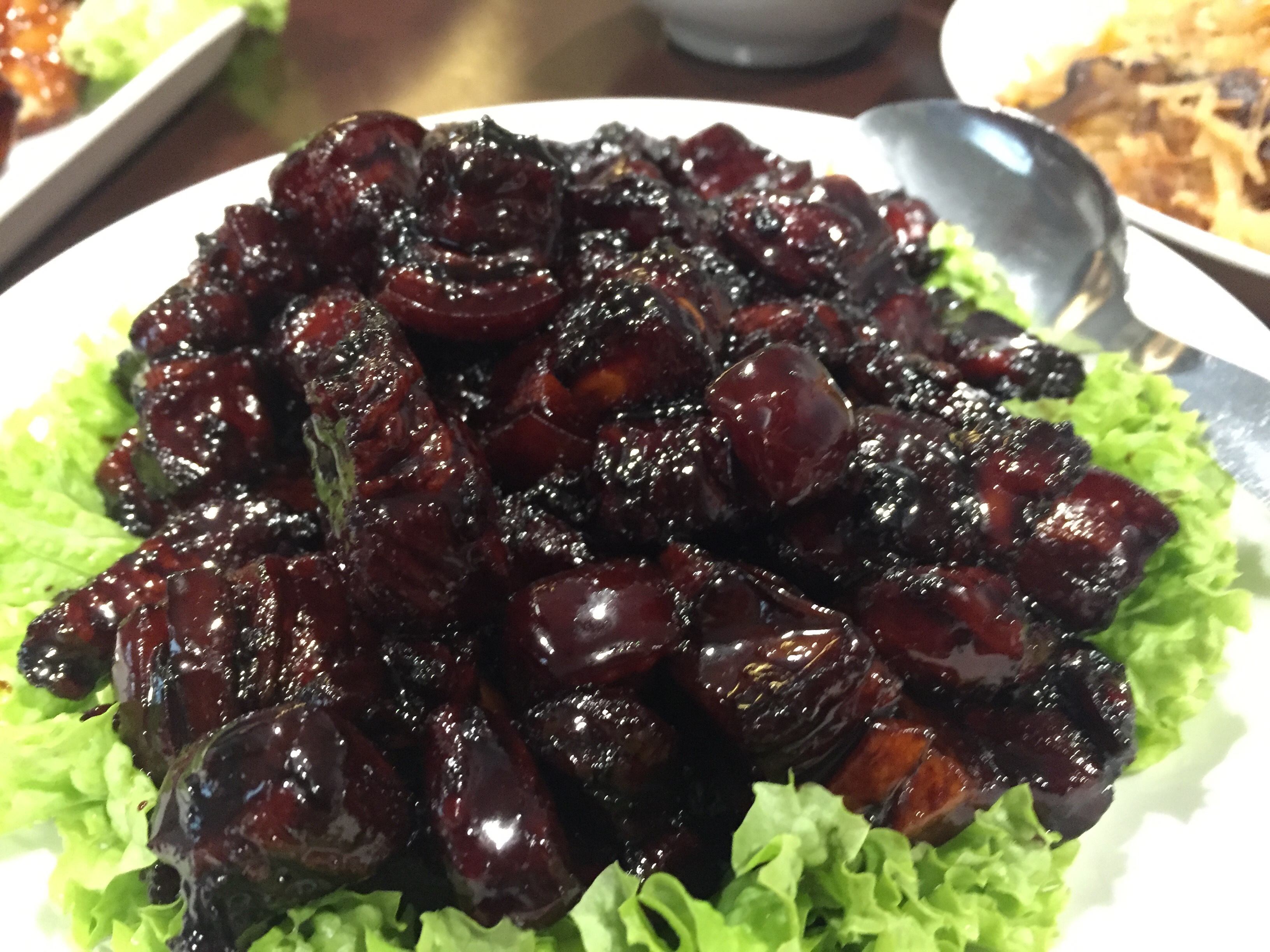
Apart from the above street foods, the fabulous Peranakan restaurant I had the privilege to enjoy is Winn’s Cafe @ Irrawaddi. It is Nyonya food close to its pinnacle, I reckon it easily rivals Violet Oon’s National Kitchen in Singapore. What sets Winnie Poh’s restaurant apart from the rest is her preparedness to trust and value her chefs’ culinary skills whilst honouring the traditional recipes of the Baba Nyonya. She adds a modern-day touch to her heritage in terms of high-end presentation in a classy air-conditioned environment. Impressive dishes in a large menu include Pie Tee and Lor Bak, Jiu Hoo Cha, Kiam Hoo Koot Gulai, Tau Ewe Bak, Perut Ikan, Nasi Ulam, Assam Prawns and Ikan Tumis.

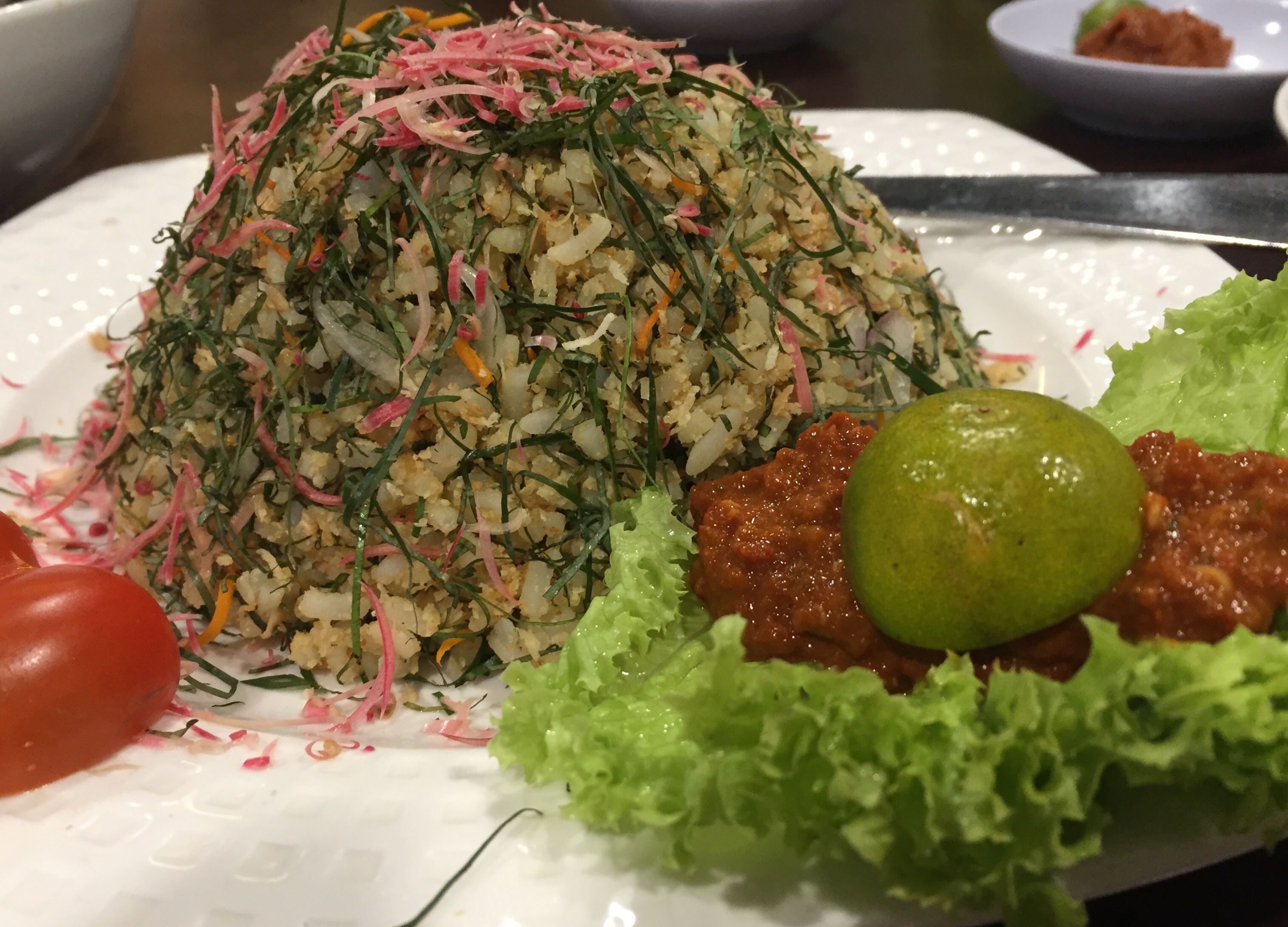
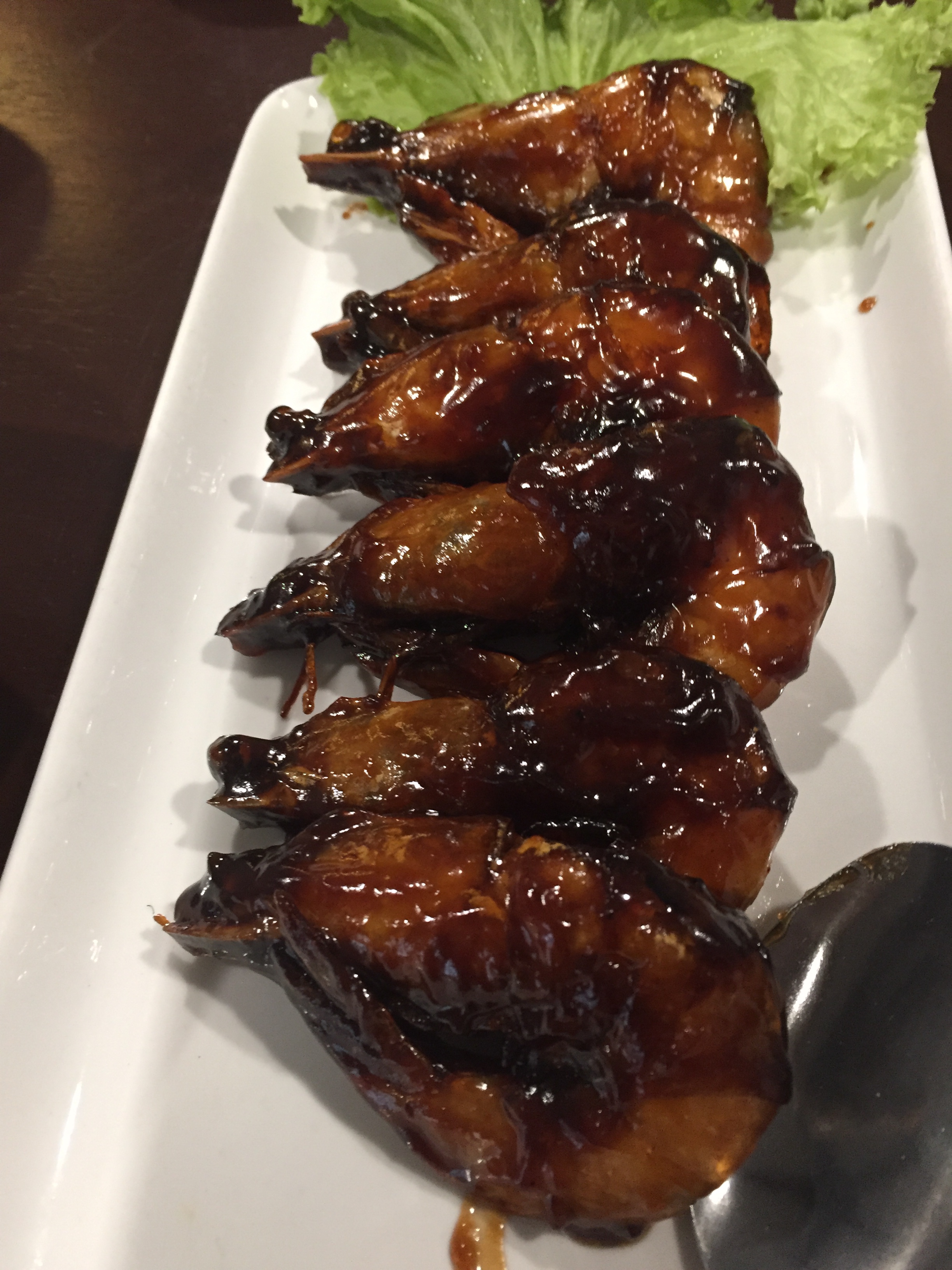
Penang Lang, appreciate the skills of these finest hawkers, value them before they devalue themselves. They are our vanishing heritage in our dotage.
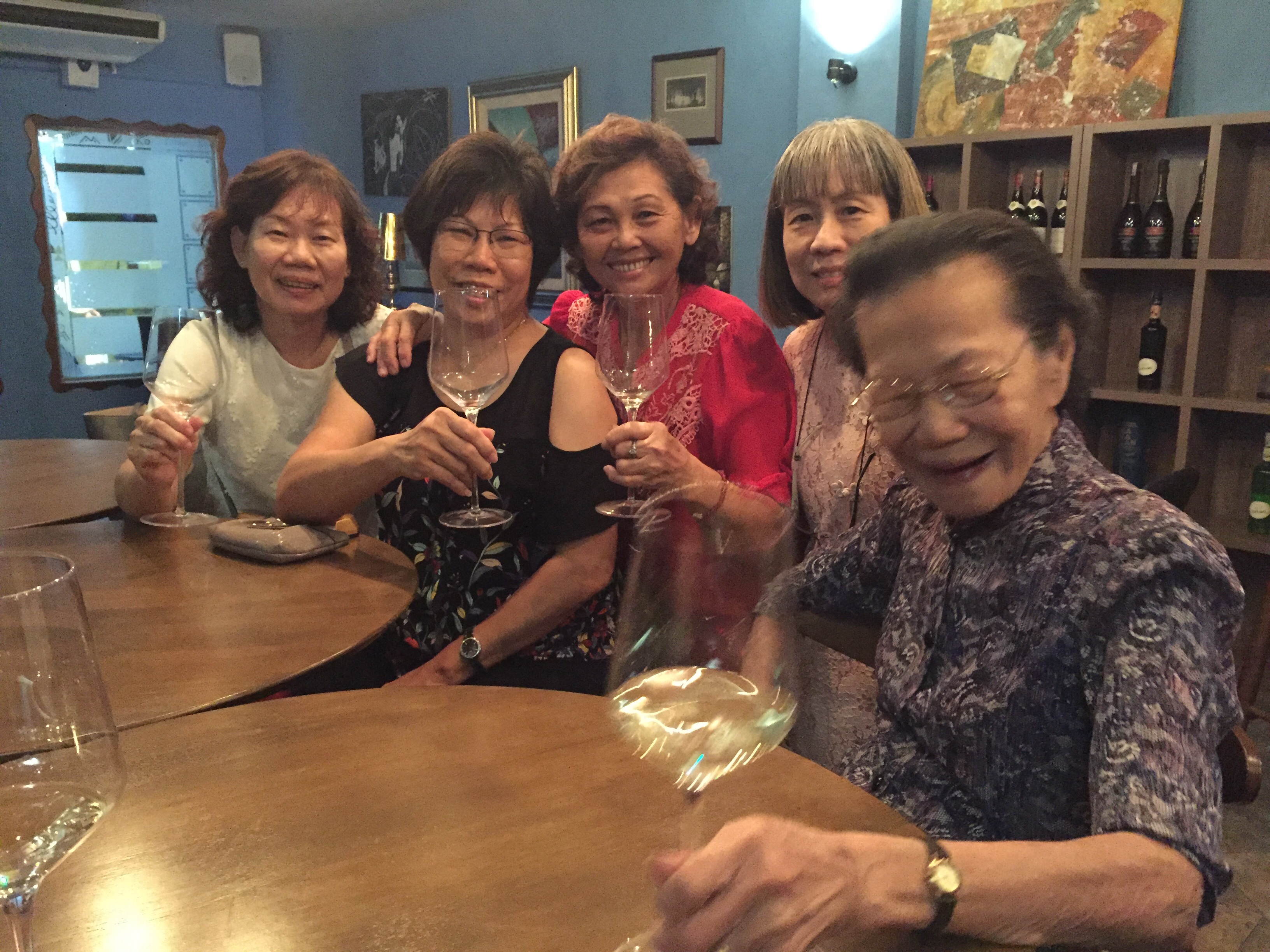
 Reunion no.8, what an overwhelming event. I almost choked when I was on stage, maybe it was the Yee Foo noodles down my throat. A reunion of old school mates, some of whom started school life with me, in 1965 right through to 1975. That gives us a special bond, despite it being severed for 44 years. That’s a life time in Victorian days. That’s also a lifetime for many lost brothers. I was shocked by the casualty list, the lengthening list will become more and more casual, unfortunately. RU1.0 was held in 2008 and everyone has been excited at the increasing number of attendees since then. On reflection, the number instead will decrease over time. After all, we have all passed middle age, our twilight years approaching with accelerating speed. With a vengeance perhaps, the way we eat, drink and party till late here, surely the day of reckoning is beckoning.
 “Brothers Forever” on a banner flashed across my view but it also flashed dismay in my mind that somehow we Brothers have forgotten the Form 6 girls who attended our school for two years. I think they should not be excluded. Maybe RU9.0 will flash a banner that says Brothers & Sisters Forever.
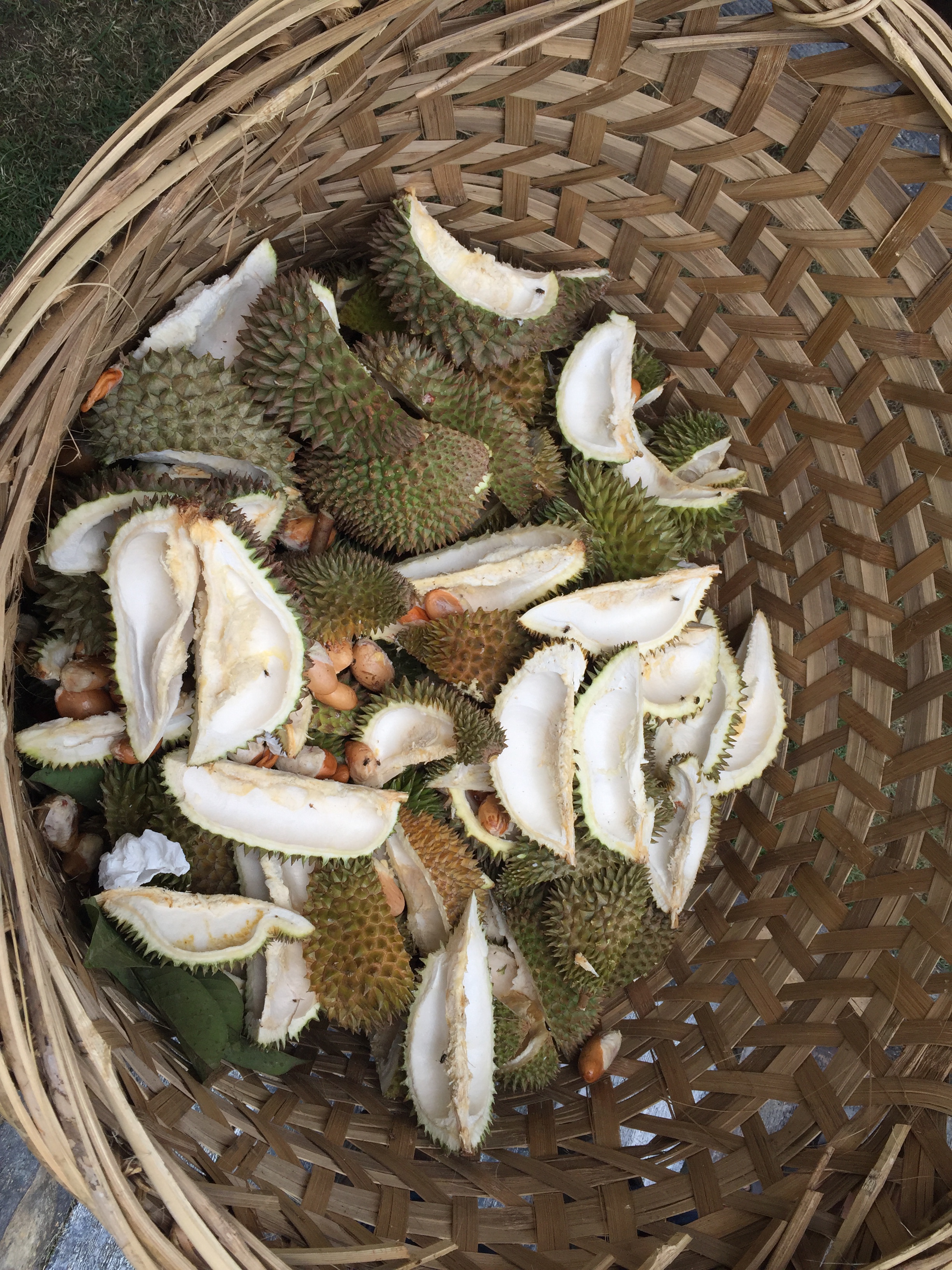
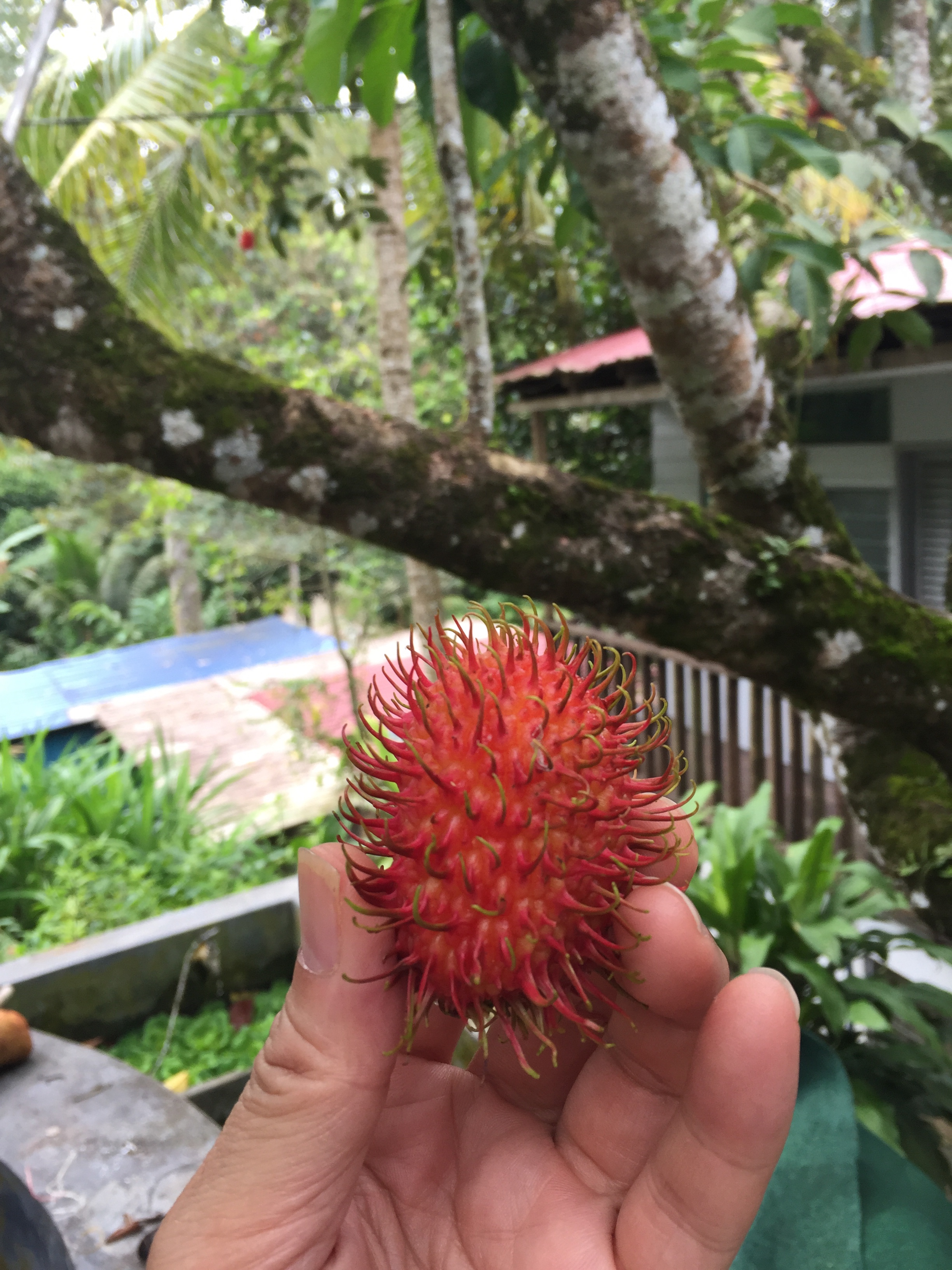
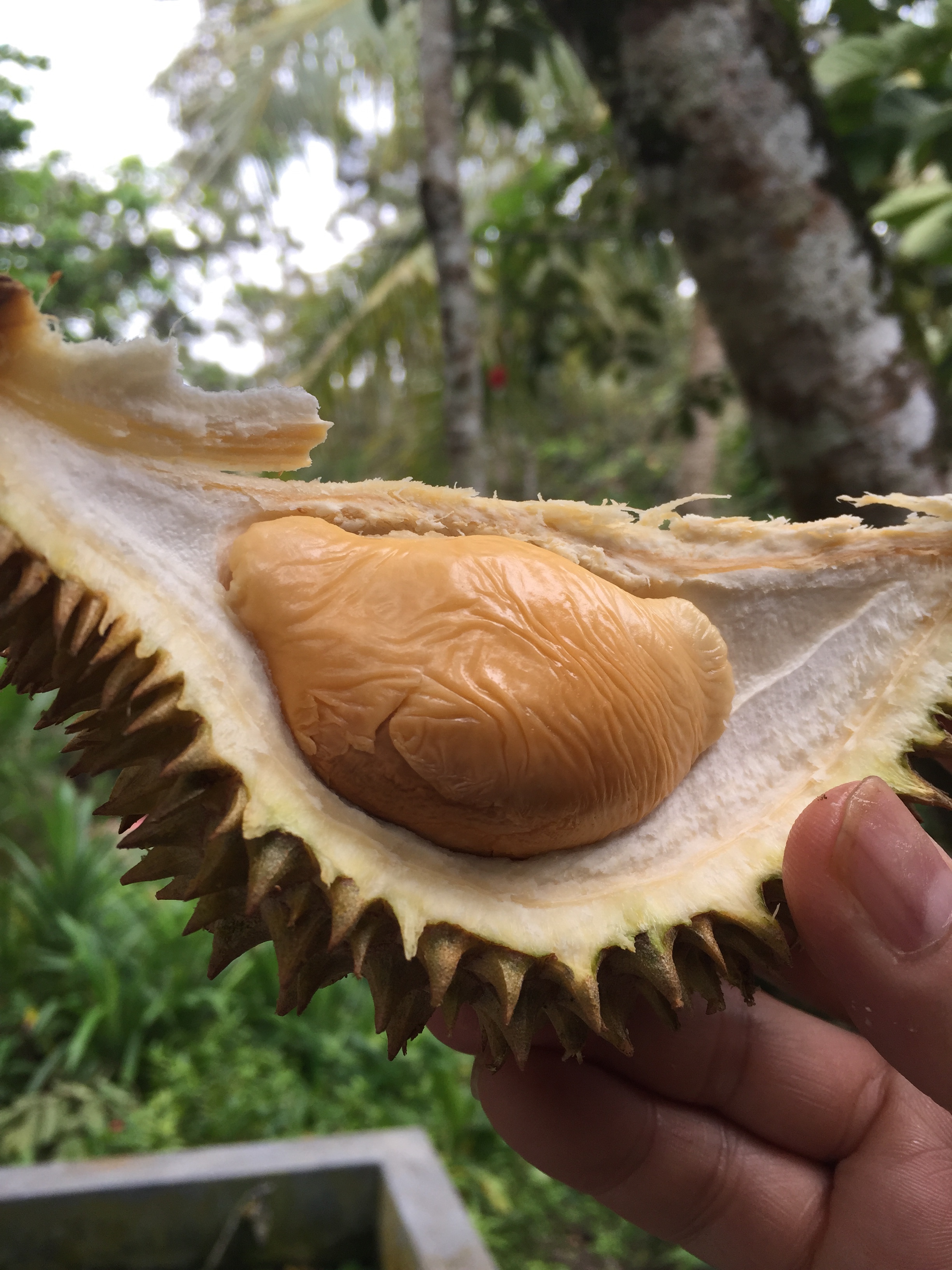 I’m in Penang, my birthplace. When my friends invited me to a “Duran” party, I wondered why it would be at noon and not in the evening. They weren’t talking about the British band, a multiple Grammy winner and Brits winner, Duran Duran. In Asia, Duran Duran will have to move aside for the Durian, there can be only one King. The Durian is king of all the fruits here. It’s exotic, aromatic and some say even erotic. Smear it all over your lover’s hands, mouth and body, and you’ll have a devilish time. In recent years, planeloads of fans have flown into Penang from Hong Kong and China to snap up limited tickets to Durian farm tours. It’s not only Duran Duran that has lost out to Durian in this part of the world, you won’t find planeloads of tourists flying in for any other fruit. There just isn’t any comparison, the King sits alone at the apex.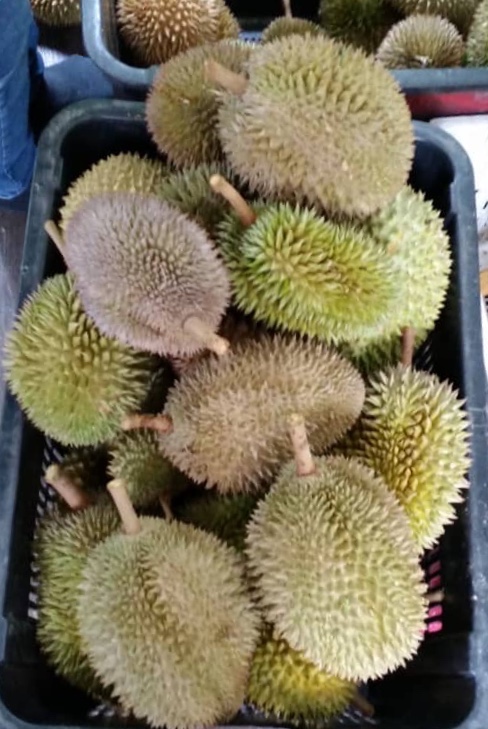





 When I arrived in Penang three nights ago, I was absolutely confident I would continue with my IF routine. Fasting for 16 hours leaving a window of 8 hours to eat, isn’t punishing when it is so beneficial for my health. It’s a lifestyle that I’m now totally accustomed to and in fact, enjoy. Importantly, I feel good and I look spritely for my age. Many of my friends and even friends’ friends have declared that they too are giving IF a try. This alone has made me feel good, that I have imparted something good to others. Prior to IF, I did not think there was anything I know in health matters that I could promulgate and share, let alone influence.

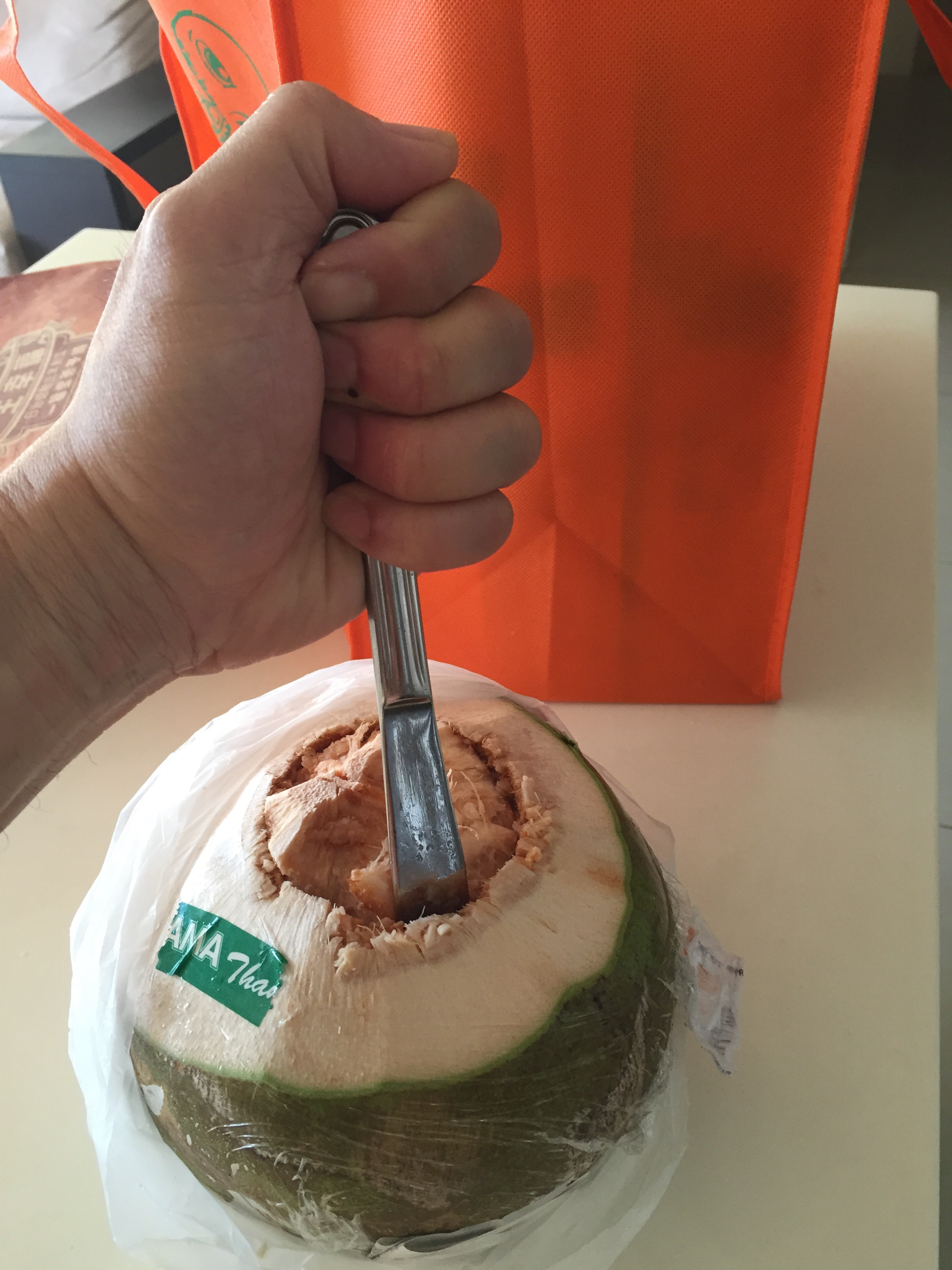 It was a relief to step into the condominium a friend has kindly let me use during my short holiday in Penang.
 The sweltering heat of the mid afternoon sun had sapped much of my energy, turning my freshly ironed shirt into a sweat sponge. After a cool long drench under the rainforest shower, I was eager to act out the visual image I had whilst being soothed under the gentle waterfall. In the movies, it would be quite the expected scene in a tropical paradise to have Keanu Reeves in a dapper black suit similar to the one he wore in The Matrix, sipping chilled coconut juice straight out of a freshly cut green coconut. By his side is of course a Hollywood blonde siren in a revealing white cotton dress. The superstars are being served by a coloured person in a white jacket. If we could read the coloured person’s mind, he would most likely be thinking, oh why can’t I be Keanu Reeves; why can’t the gorgeous blonde lying by his side be mine instead? A brown man thinking or wishing he’s white inside, would be called a coconut, since the coconut husk is brown on the outside and its flesh inside is white.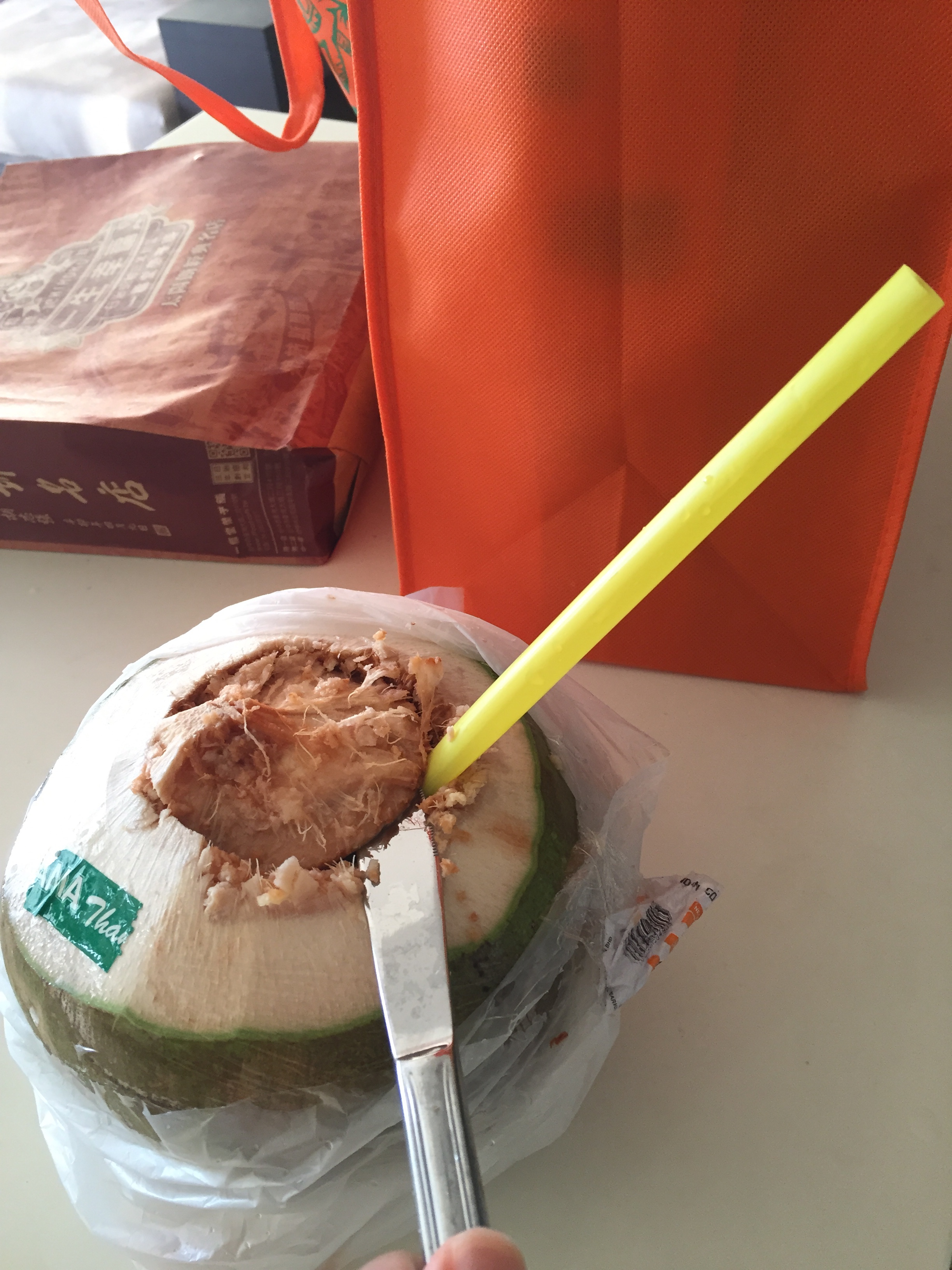



 Urghhlings